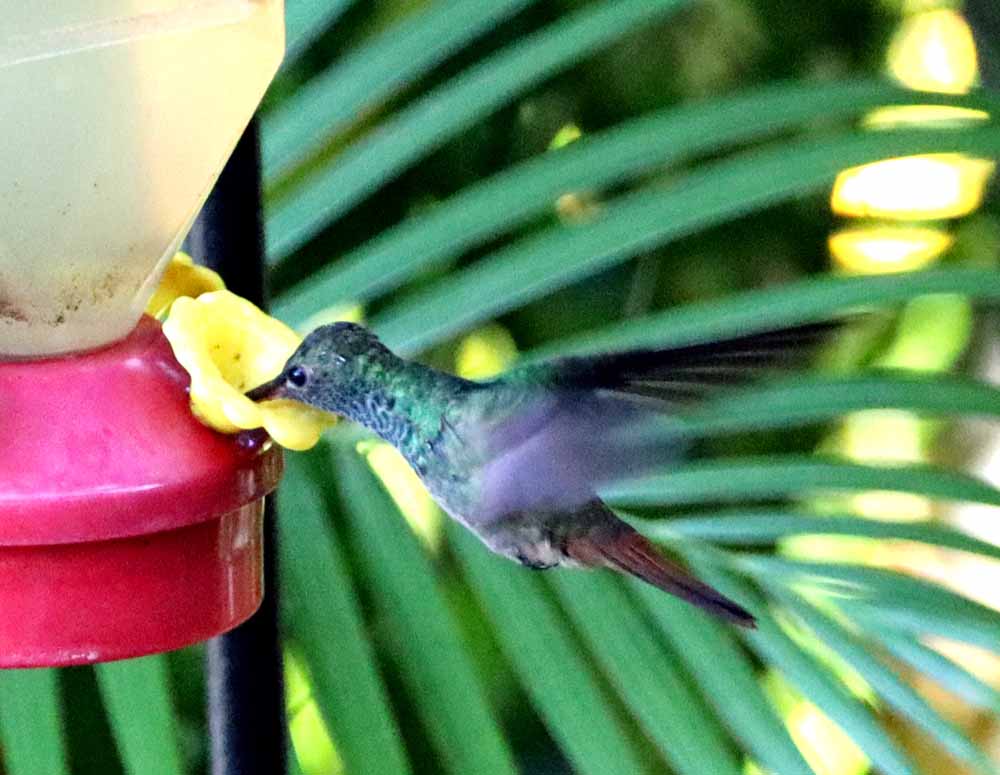
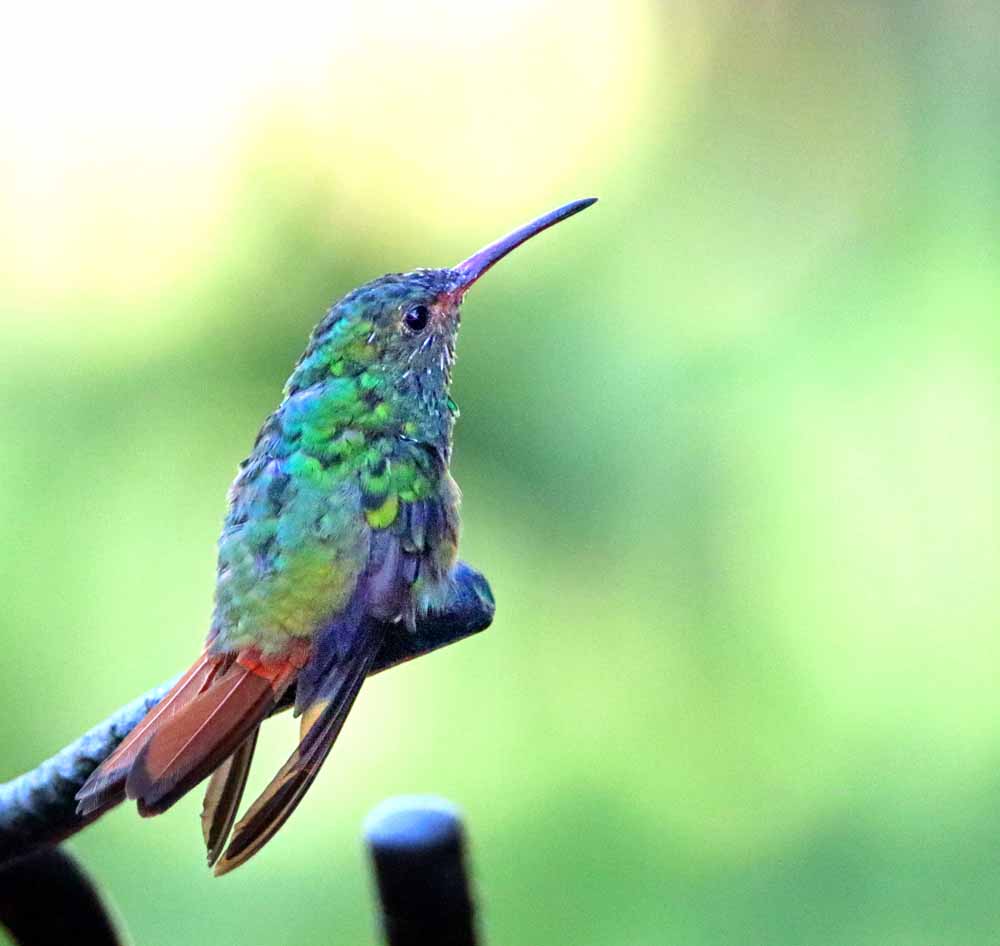
The most often seen bird in my garden with a lot of photos in the gallery: Rufous-tailed Hummingbird. 🙂
¡Pura Vida!
charliedoggett.net
My profession is to always find God in nature.
– Henry David Thoreau
The most often seen bird in my garden with a lot of photos in the gallery: Rufous-tailed Hummingbird. 🙂
¡Pura Vida!
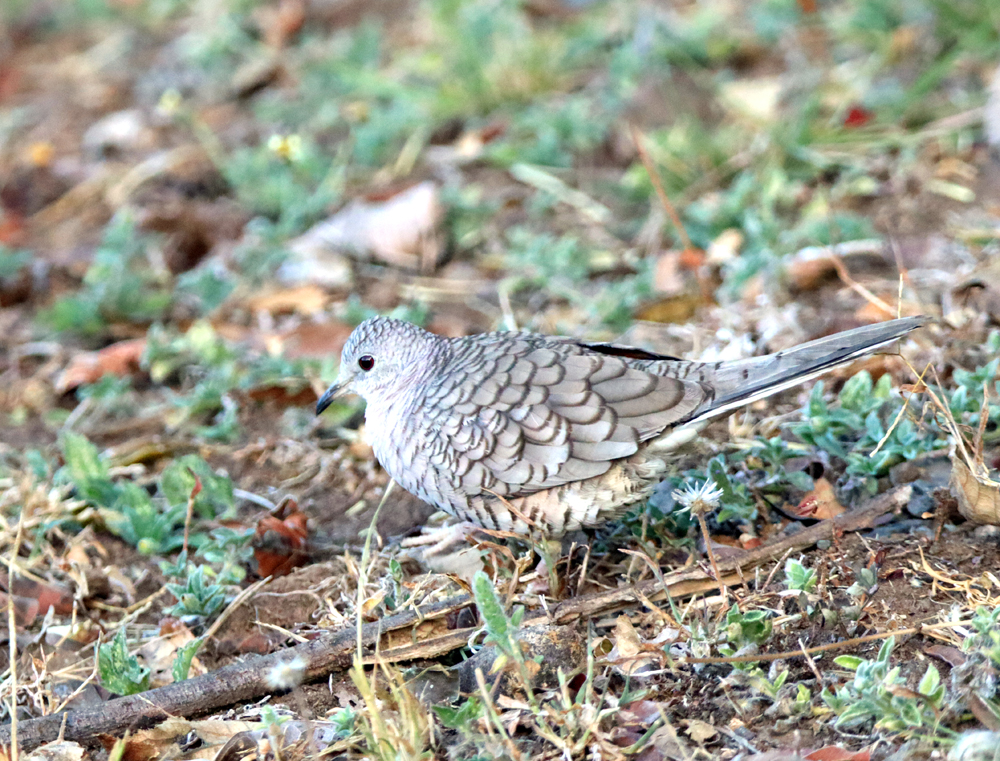
I got several shots roadside along the cow pasture in Roca Verde. Here is just one shot with more in my GALLERY Inca Dove, Columbina inca.
¡Pura Vida!
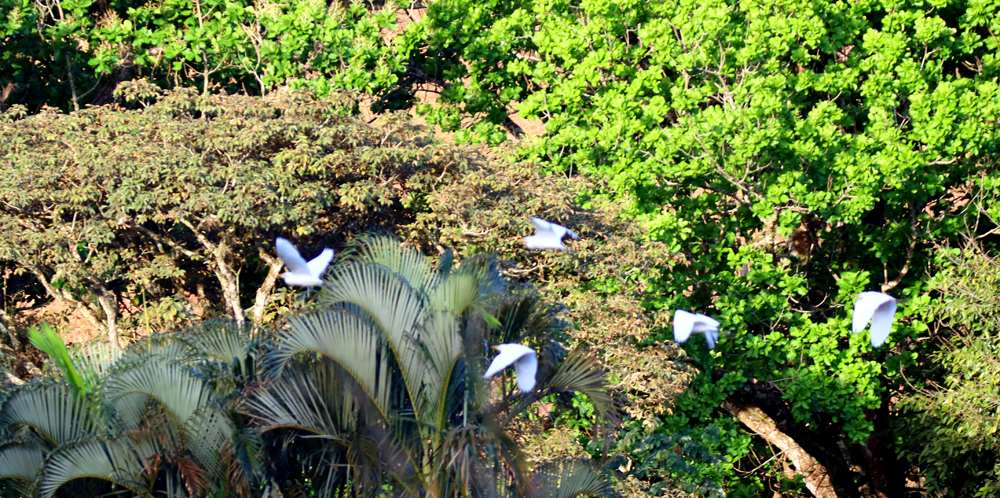
A small flock of these egrets flying up and away from the Cow Pasture across the street on January 31. They are regulars at the pasture but I seldom try to photograph. A small group of houses are at the south end of the pasture and the birds are flying up from the pasture and over those houses. I’m able to get closer and better photos on some of my river trips as you can see in my Cattle-Egrets Gallery. Just the one photo here.
¡Pura Vida!
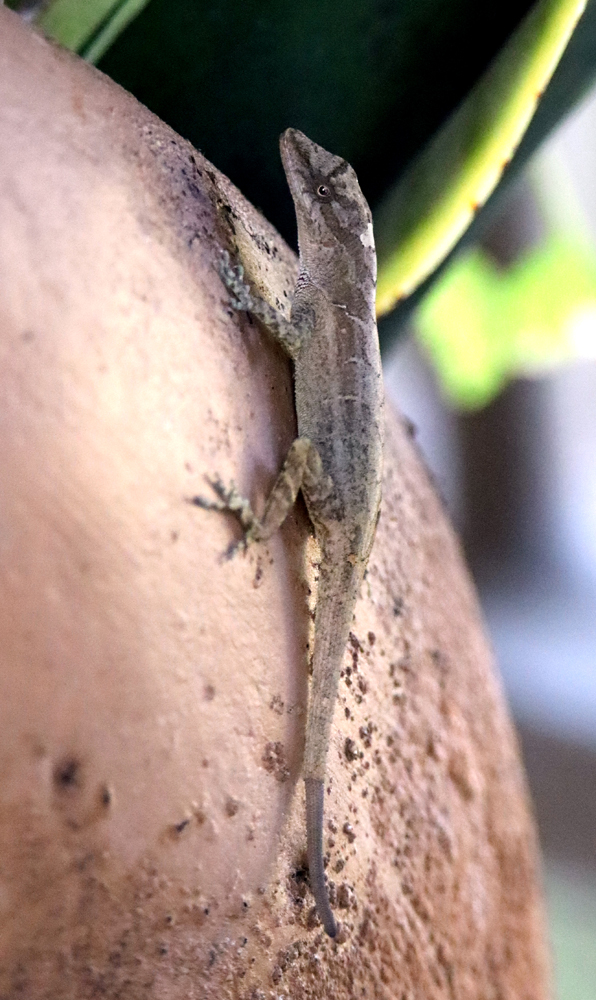
Two days in a row I photographed lizards on my terrace that I cannot identify as species, though on iNaturalist both are accepted as the same Genus, Anolis, but obviously different species, though none of the “experts” have yet to identify the species of either one. Hopefully they will both eventually get identified! 🙂
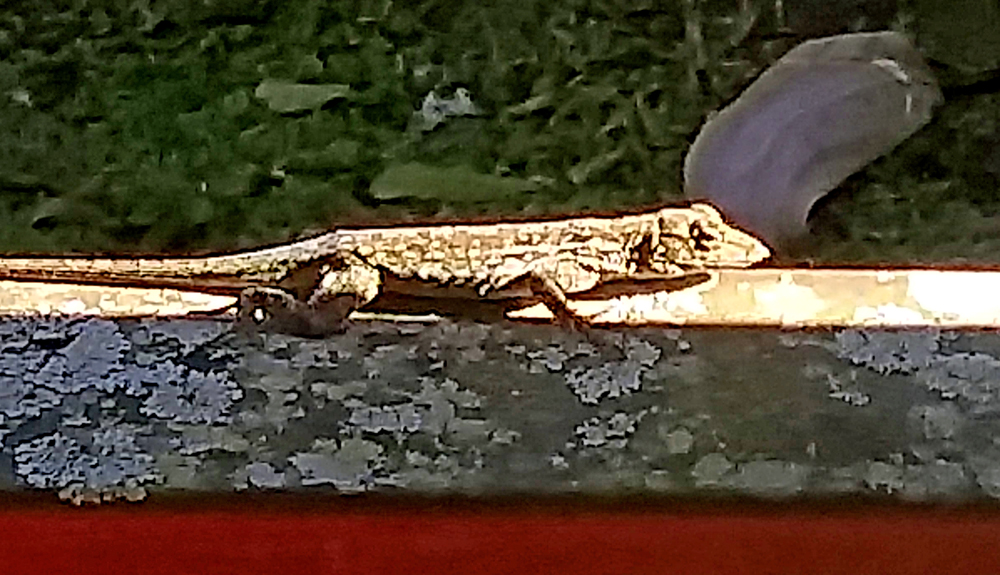
I have 21 species identified in my LIZARDS GALLERY and another 15+ unidentified. The genus identifications of the above two are not confirmed yet and hopefully I will get even the species name later from identifiers on iNaturalist. Books sometimes give me identities, but not always.
¡Pura Vida!
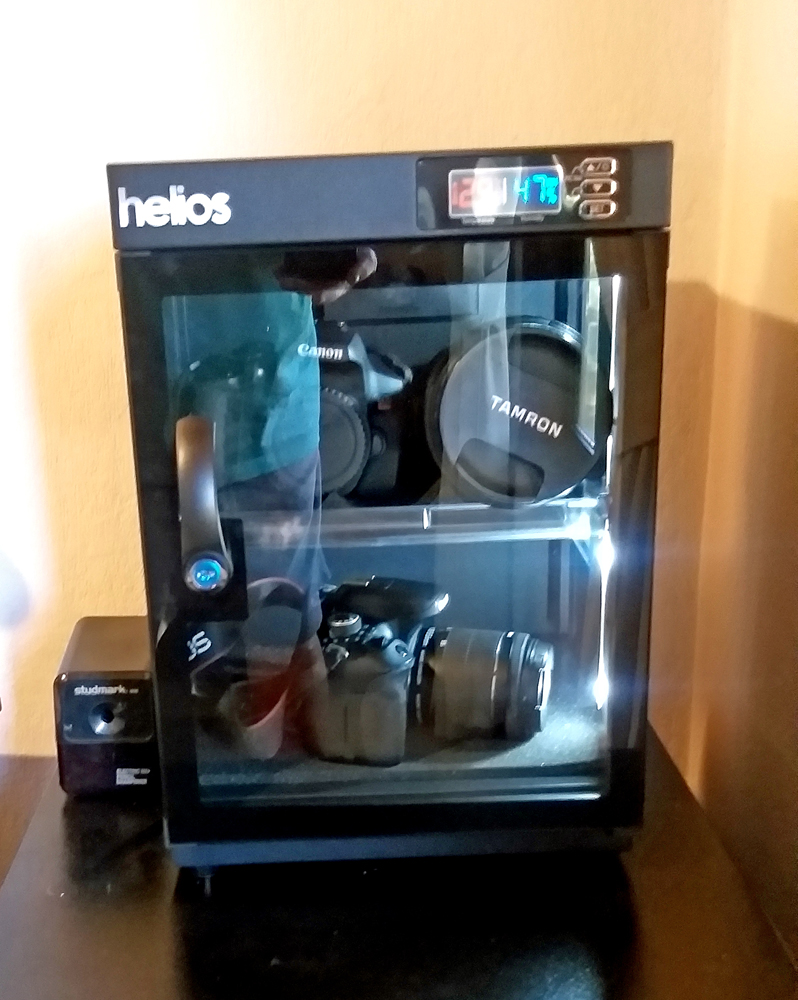
I live in a tropical country, 13° above the equator, with lots of rainforests and cloud forests an hour or so from where I live. Though this Central Valley location is not as humid as a rainforest (except in the rainy season), it is still humid and I’ve learned that humidity does many negative things to my cameras and the lenses .
I recently spent over $300 at the authorized Canon Repair Shop for minor repairs and mainly cleaning of 2 cameras and 2 lenses which had various kinds of mold or other humidity-related problems affecting the electrical connections, the glass and other details.
The repair man was kind enough to reduce some of his future business by recommending that I store my cameras and lenses in a “Dry Box,” which is a metal box containing an electrical device that keeps the humidity down to the level recommended for cameras (40-50%) and at a recommended temperature of 25-29°C. And it costs a fraction of what continued cleaning and repair would cost! (just $150) So a no brainer! 🙂 When you walk in my office now, it looks like I have a little dorm fridge sitting on top of my file cabinet, full of cameras & lenses. 🙂 Anywhere one lives, there are some adaptations that can be made to live with the extremes that might be there. And this will particularly be good when I return from one of my trips to either coast or any rainforest or cloud forest where there’s always more humidity. Humidity damage is now stopped and I expect my cameras to work better! 🙂
Under the ABOUT Menu of my website there is a PHOTOGRAPHER page with a sub-page on My Photography Equipment where I have now added this handy little device to protect my cameras and lenses. 🙂
¡Pura Vida!
This post was made about 2 weeks ago which is about how far ahead I am on creating most of my Blog Posts now since the Christmas trip to Punta Leona.
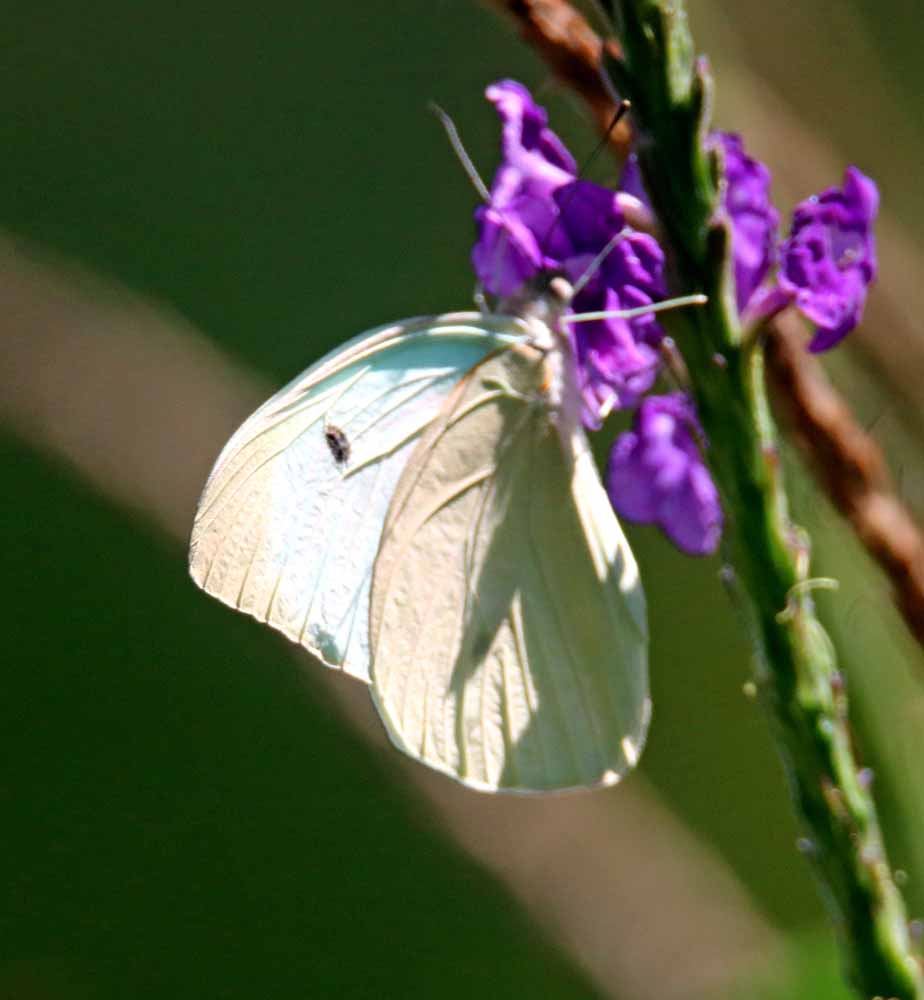
This was in my garden and not the cow pasture, but with the strong winds this time of year I’m seeing a lot fewer of any species in the garden, though this one has been pretty common in the past as you can see in my Gallery: Giant White, Ganyra josephina. Note that all of them have been seen in Atenas! 🙂 Two shots from the other day . . .
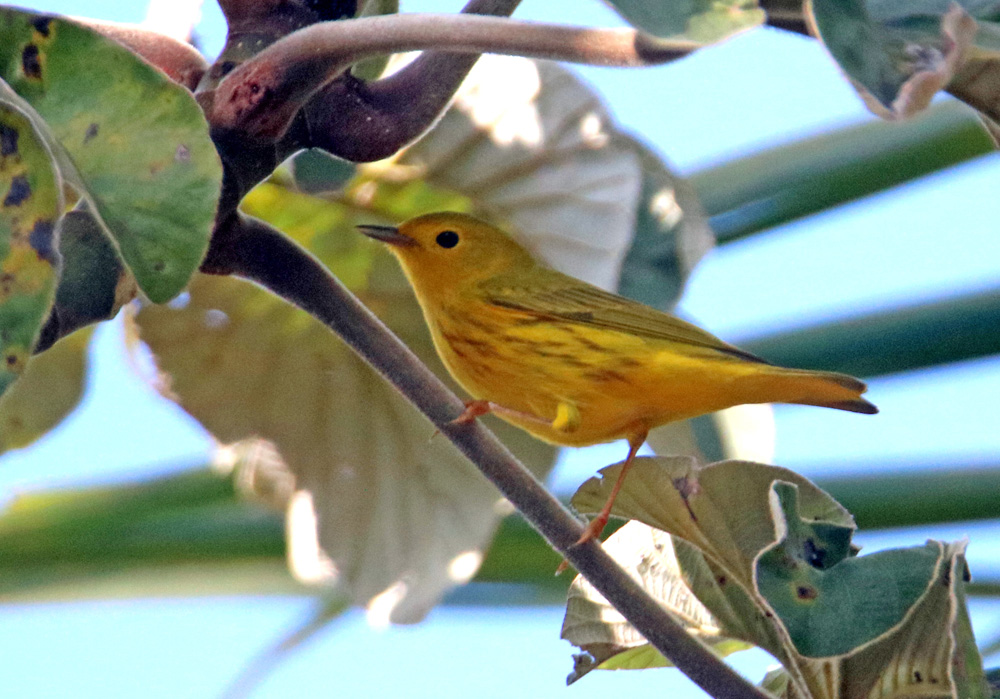
I love finding these Yellow Warblers in my garden and know that it is most likely they came here from North America.
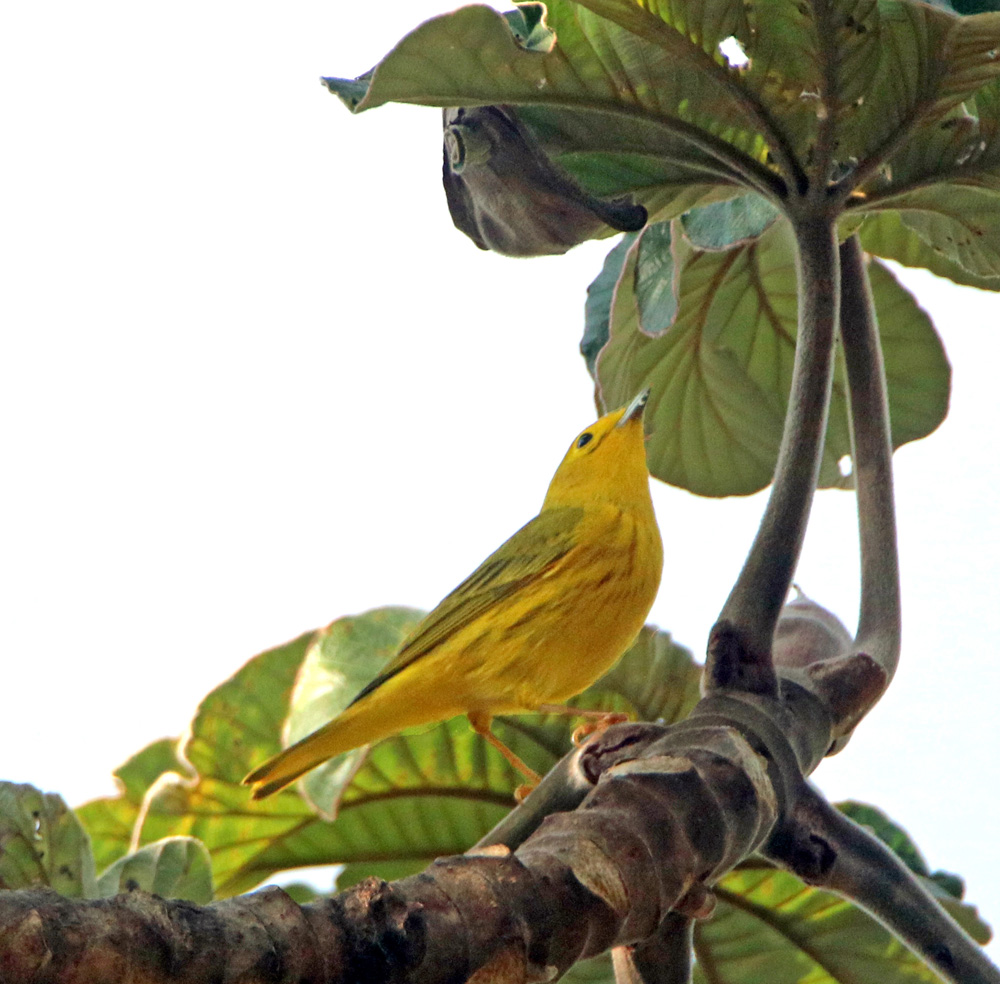
See my Yellow Warbler Gallery.
¡Pura Vida!
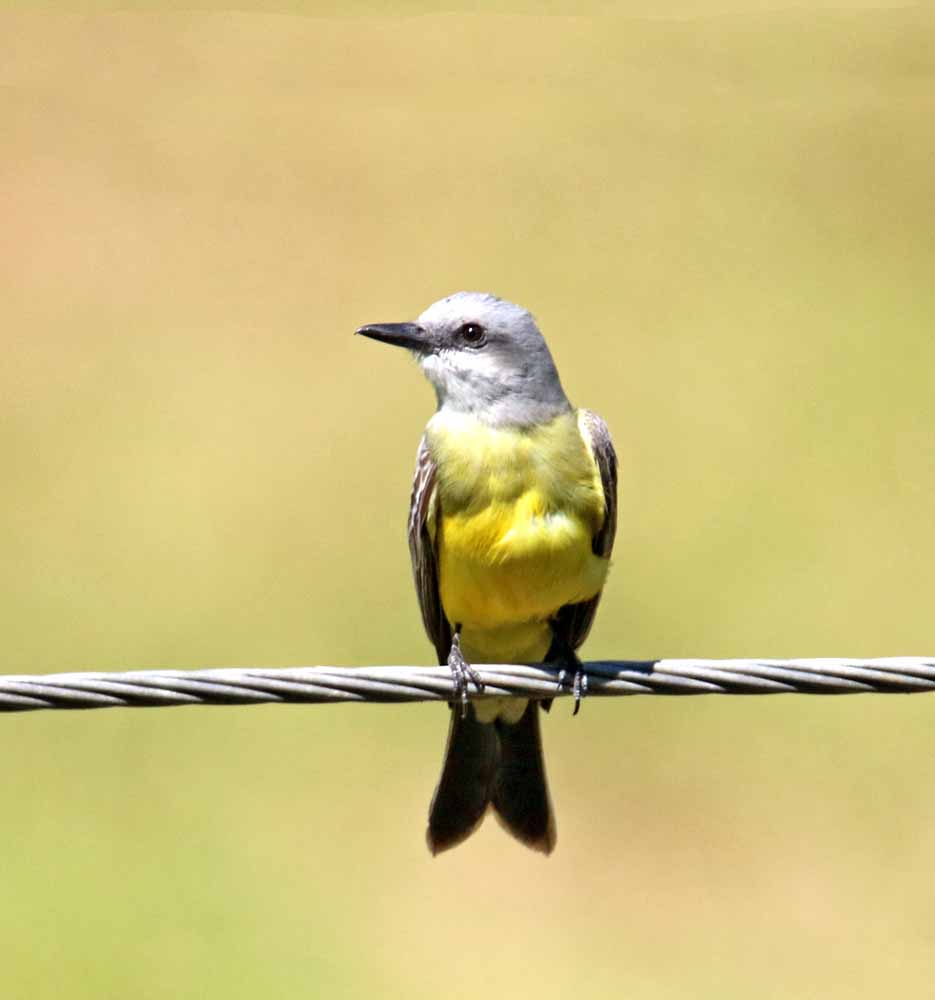
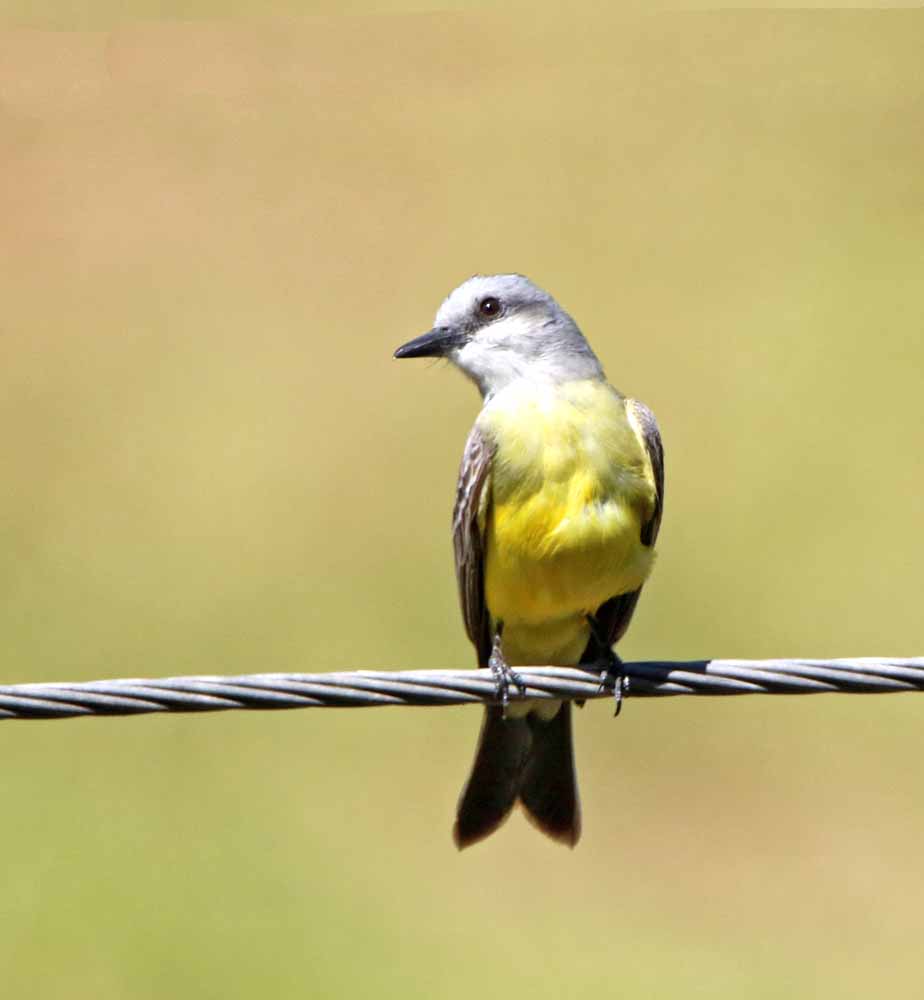
A favorite of mine among the many birds found only in Central & South America, the Tropical Kingbird, Tyrannus melancholicus (my gallery link). One of the many wild birds that seem to like power lines for perching. And that can make it easy to photograph, depending on the sunlight of course! 🙂
¡Pura Vida!
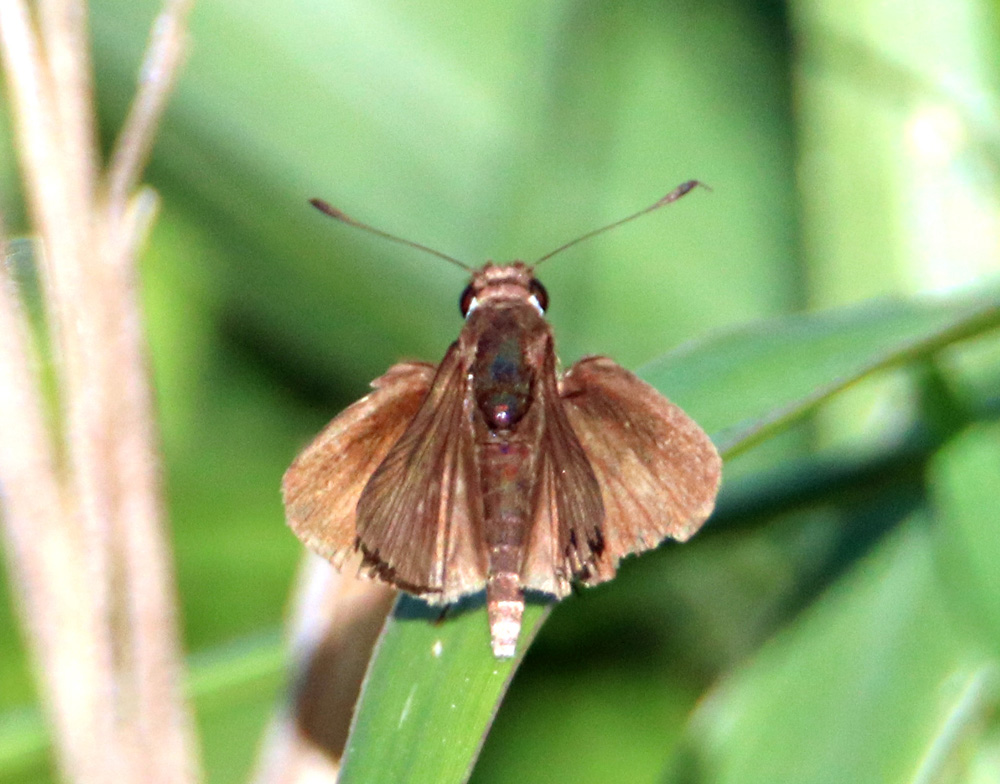
This tribe level identification means it will be difficult even for the experts to identify, as that is as far down the ID latter the iNaturalist AI would go and I’m certainly unqualified to go farther. It may end up being a common species with two anomalies, that dark “plate” or whatever on his back or shoulders and the whitish tip of his tail. Neither characteristic matches any of the similar species photos I could find, so I’m leaving it at the tribe level. 🙂 Found in the cow pasture and it is the last one from that visual adventure. 🙂 This tribe is also called “branded grass skippers” which is appropriate for one found in the grasses of a cow pasture! 🙂
An added side-note on that walk along the cow pasture in my shorts is that, when I got back to the house, both legs were itching all over, possibly from some insect in the grasses or allergic reaction to some plant. A generous lathering of Allergel took care of that itching pretty quickly! 🙂 This is all from the cow pasture for now. Back to my garden! 🙂
¡Pura Vida!
Technology drives me crazy sometimes and it seems that the email subscription box in the right column wasn’t working for maybe a year or more, but when I realized it, I found someone who could fix it and it is working fine as of the other day. If you don’t have an email subscription, you are missing the easiest way to receive my blog posts with guaranteed security and no spam! So subscribe today! 🙂
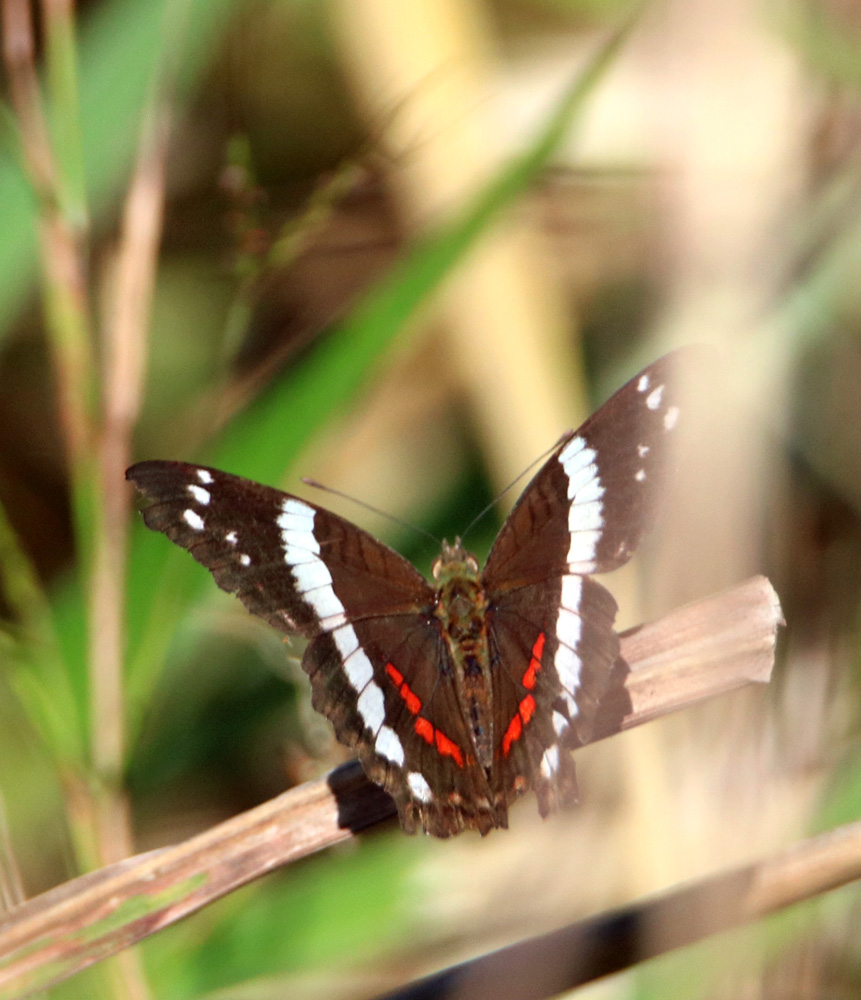
It is not all little dull brown butterflies in the cow pasture, but some colorful ones too! 🙂 It was also interesting to note that most of them stayed close to the ground or down low in the tall grasses, only occasionally flying or landing up higher to, I guess, absorb the sun or eat from a flower. This one may be my most seen butterfly all over Costa Rica, as you can see in my gallery: Banded Peacock, Anartia fatima.
¡Pura Vida!