
Ruby-spotted Swallowtail

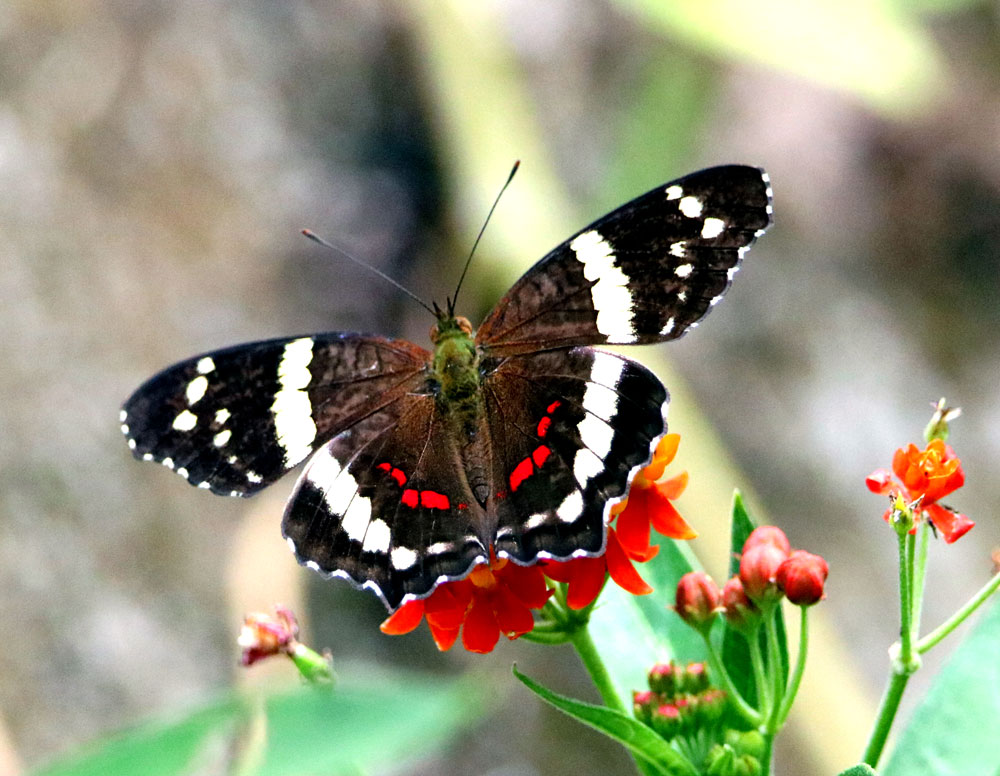
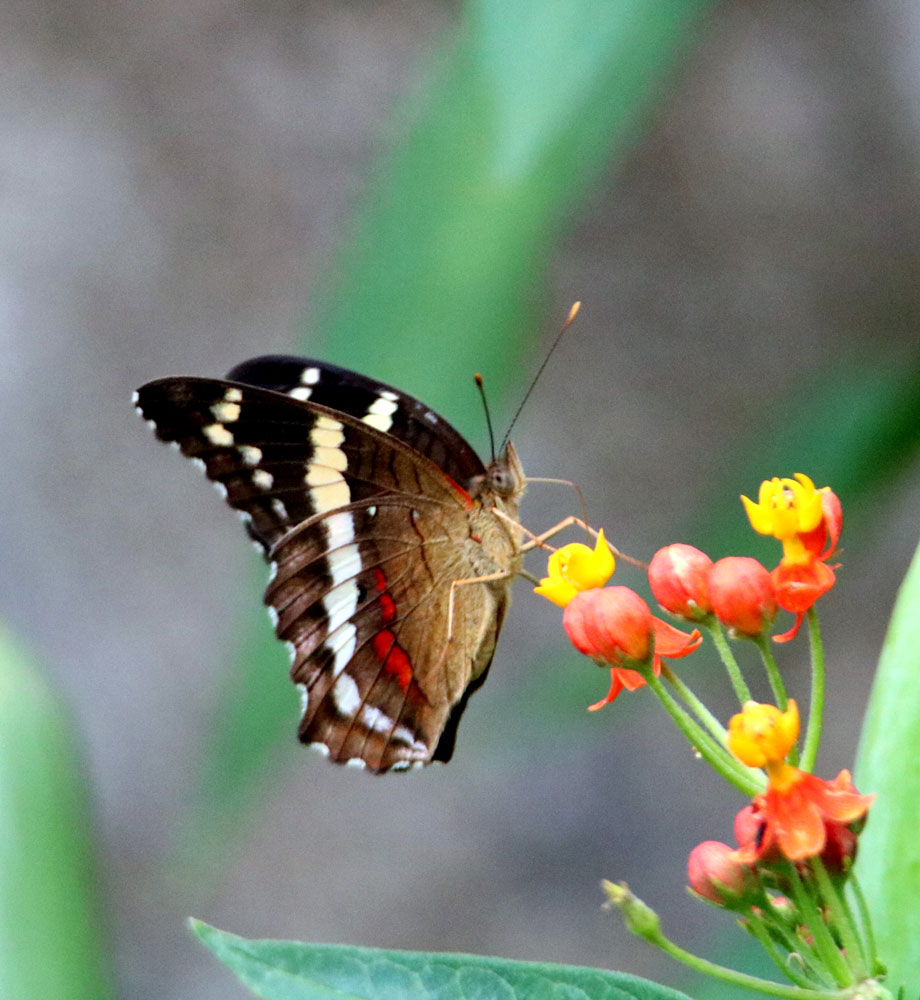
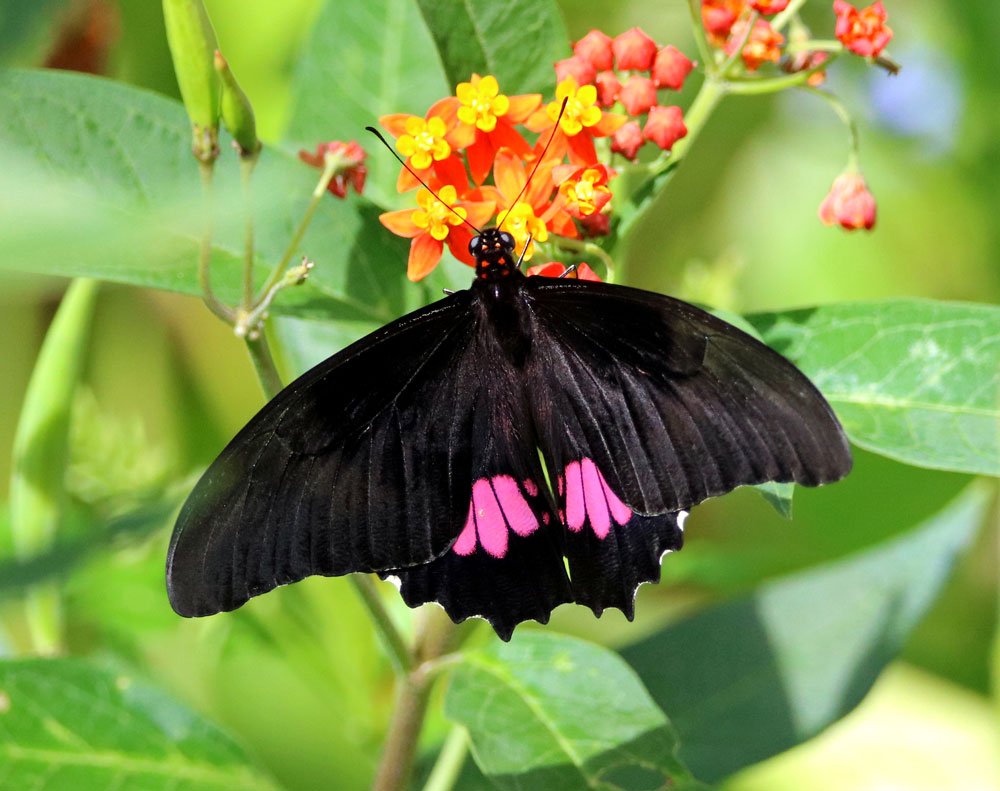
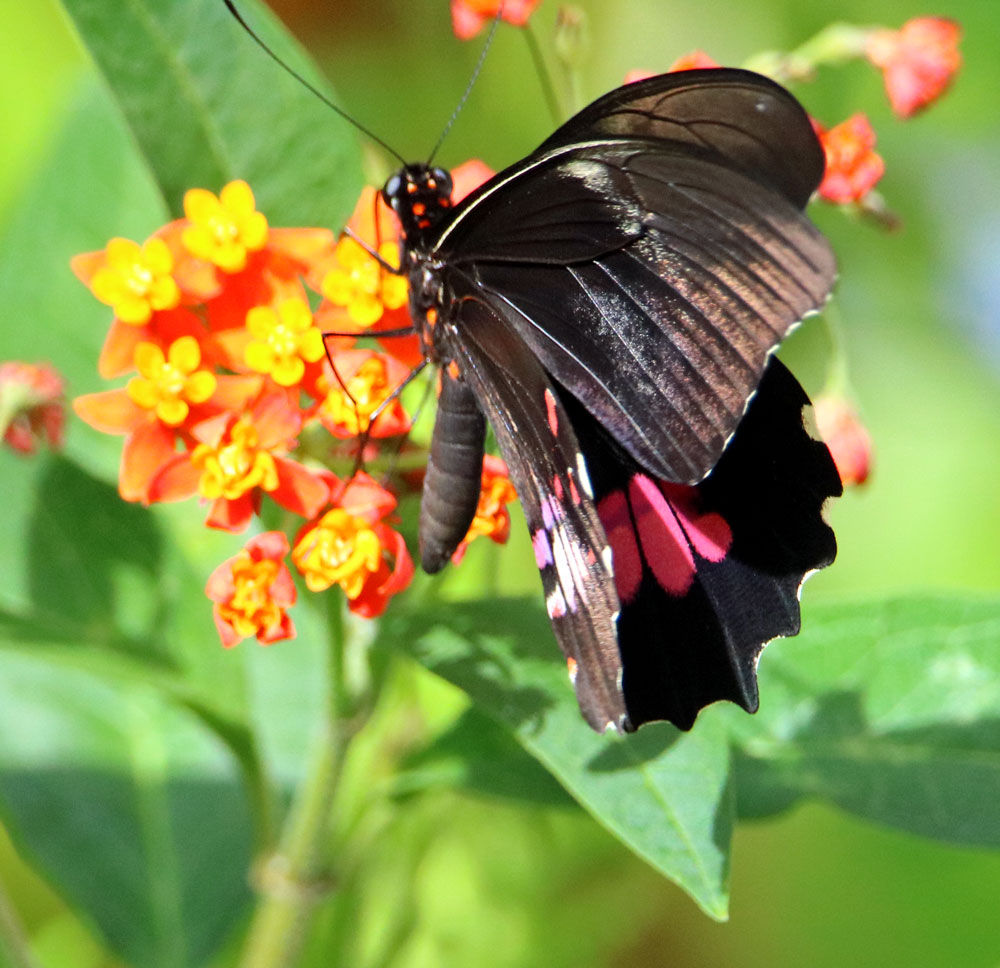
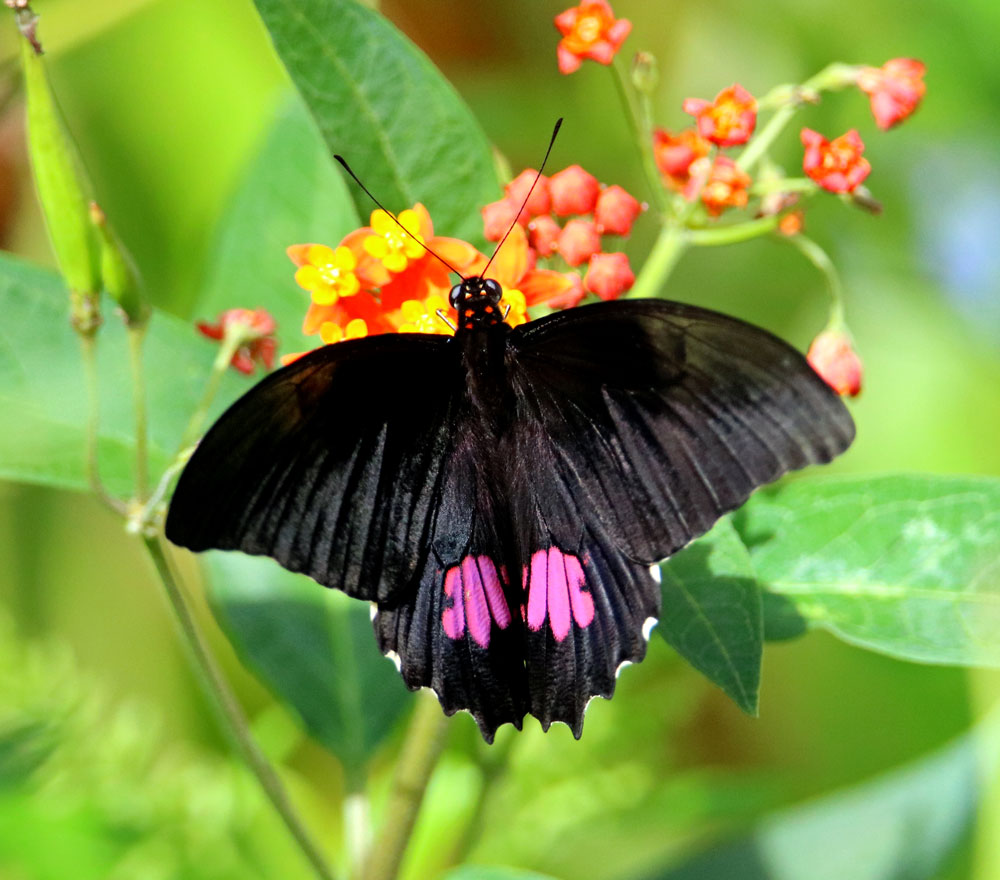
The Ruby-spotted Swallowtail (my gallery link) is found from Southern Texas south to Argentina and yes, it reminds me of several Cattlehearts, especially the Pink-spotted, but this is in a different subfamily from Cattlehearts. This is my second observation to not have white spots on the top of the forward wings, which is normal even if in a minority as you can see in my gallery or other online butterfly sites. But, you will see from the only partial side view this one ever gave me that he does have white spots on the underneath side of all wings. 🙂 Another exception in nature and I think that the all black top makes for a handsome butterfly!

A semi-side view shows white spots on the underneath side of both forward and hind wings.
Ruby-spotted Swallowtail, Atenas, Alajuela, Costa Rica

¡Pura Vida!

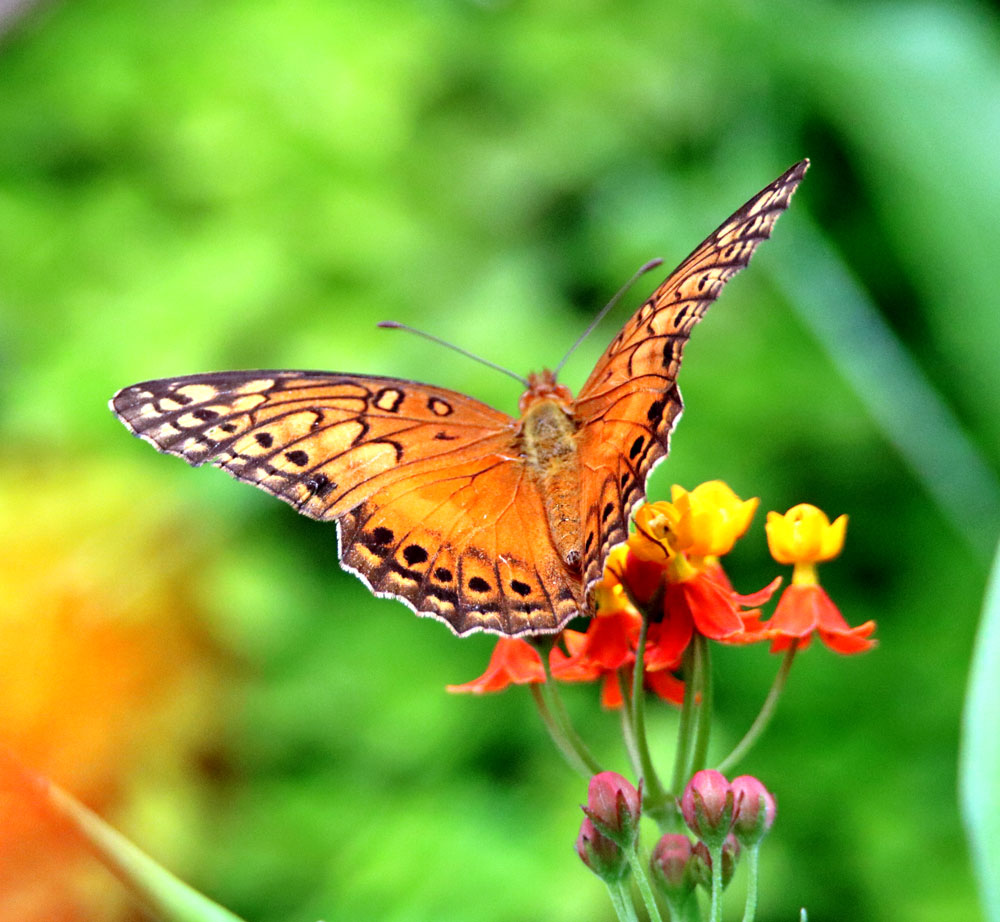
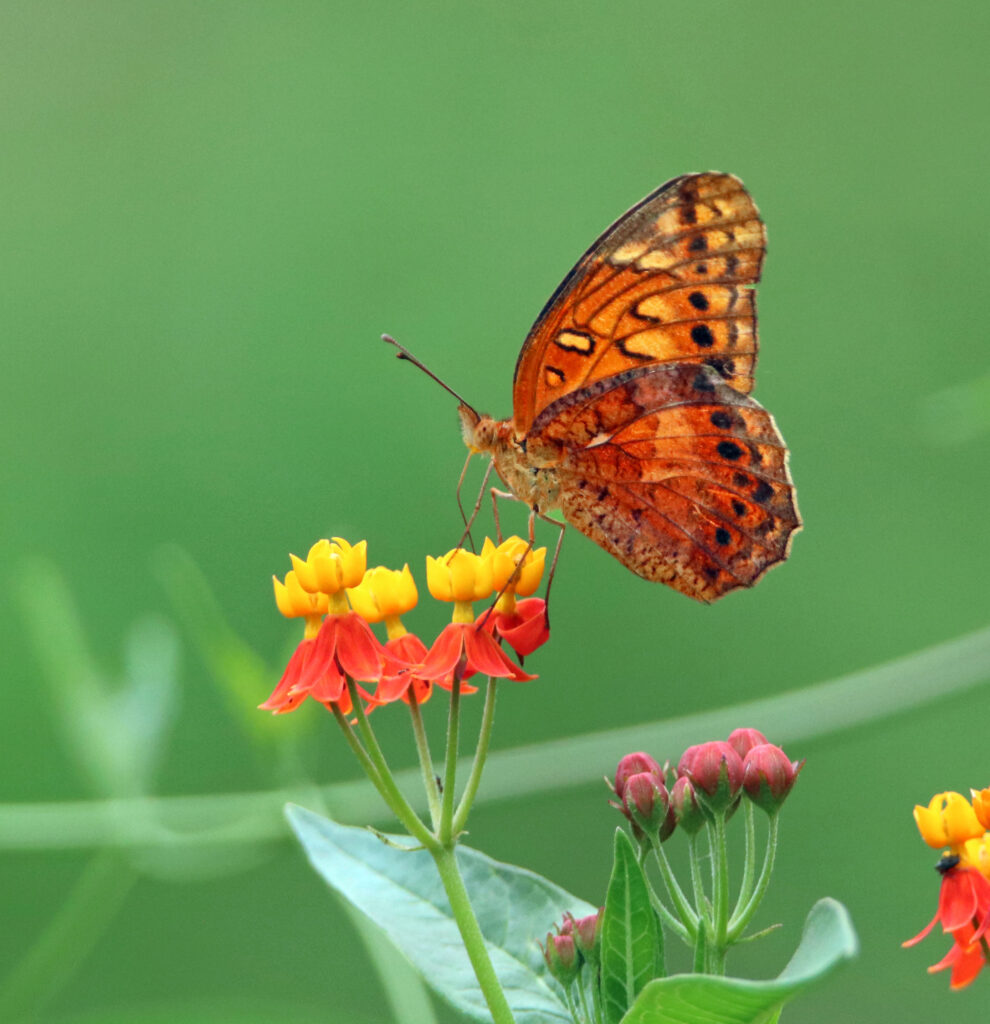
Milkweed Flowers

Have you noticed how many of my butterfly shots are on the Milkweeds now? 🙂 It is second only to Porterweed attracting the larger butterflies like this and the only flower Monarchs will come to. Tiny butterflies prefer tiny flowers. 🙂 I can’t believe that this is my first year to plant Milkweed! A great butterfly attractor! I recommend it!

Thank You! — For Reading My Blog!

JetPack just informed me that during August 2026 my blog & website had Nine Thousand Views! 9,000! I don’t know who all of you are, but thank you for reading and enjoying Costa Rica’s nature with me! ~Charlie

Monarch Caterpillars

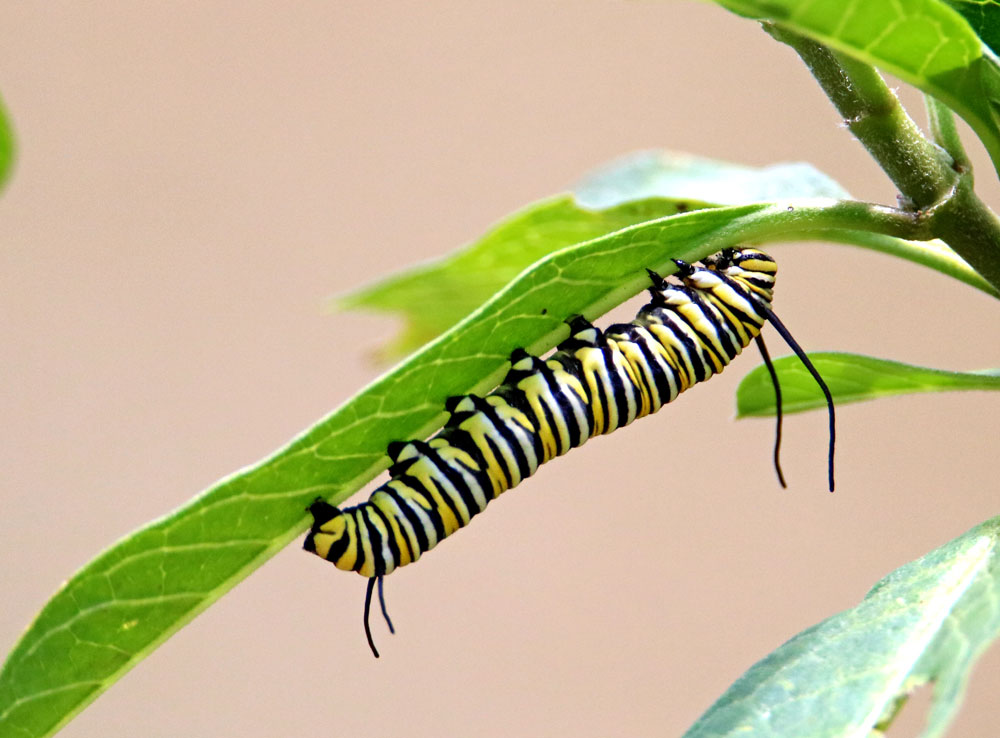
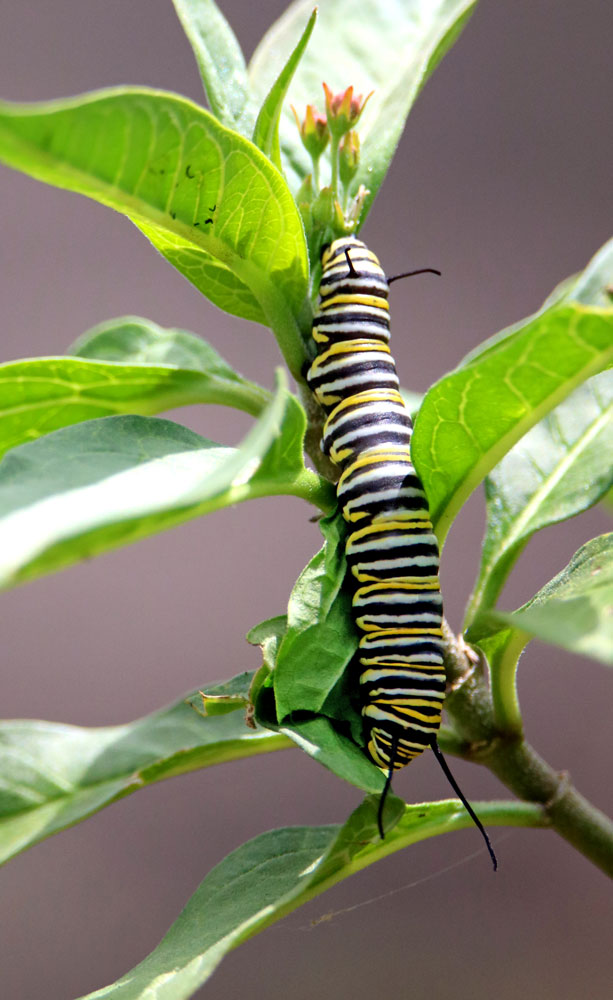
Now I have Monarch Caterpillars on one group of Milkweeds and I expect them to eat most of the leaves like the Queen Caterpillars did a month ago and that milkweed grew right back. So whoopee! More Monarchs! 🙂 And I post my caterpillar shots in the same gallery with their butterfly, so see these and one more caterpillar from San Gerardo de Dota in my gallery Monarch!

Monarch Caterpillar, Atenas, Alajuela, Costa Rica

¡Pura Vida!

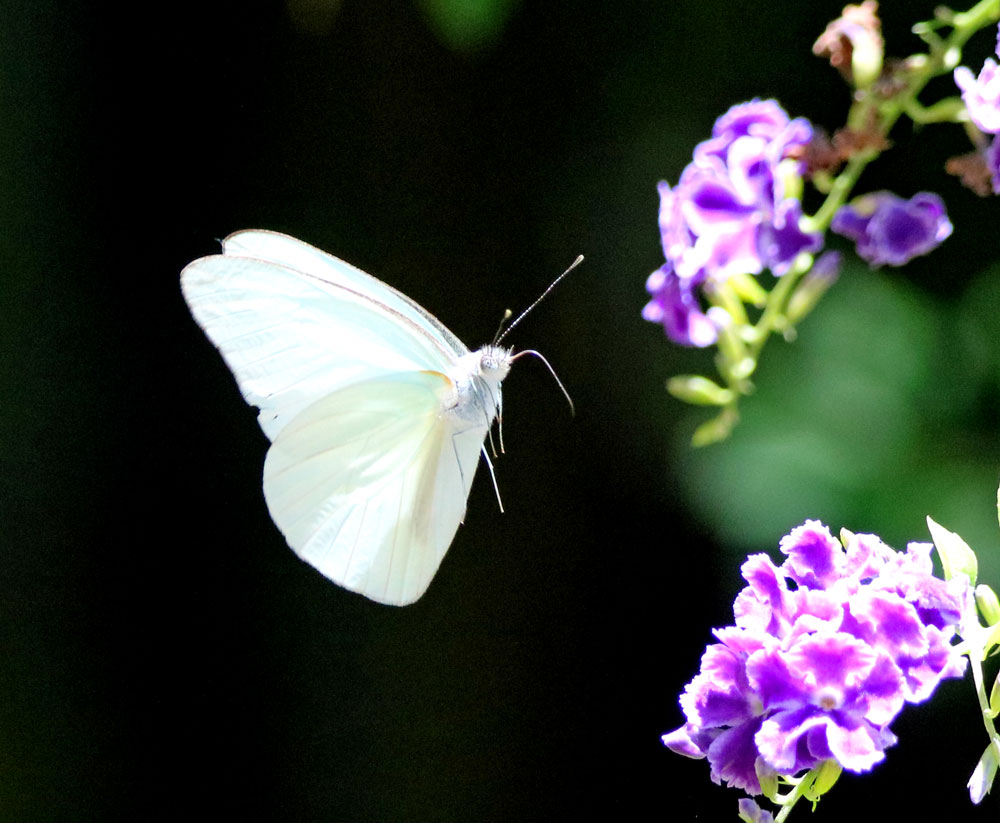
Large Orange Sulphur that’s not Orange!

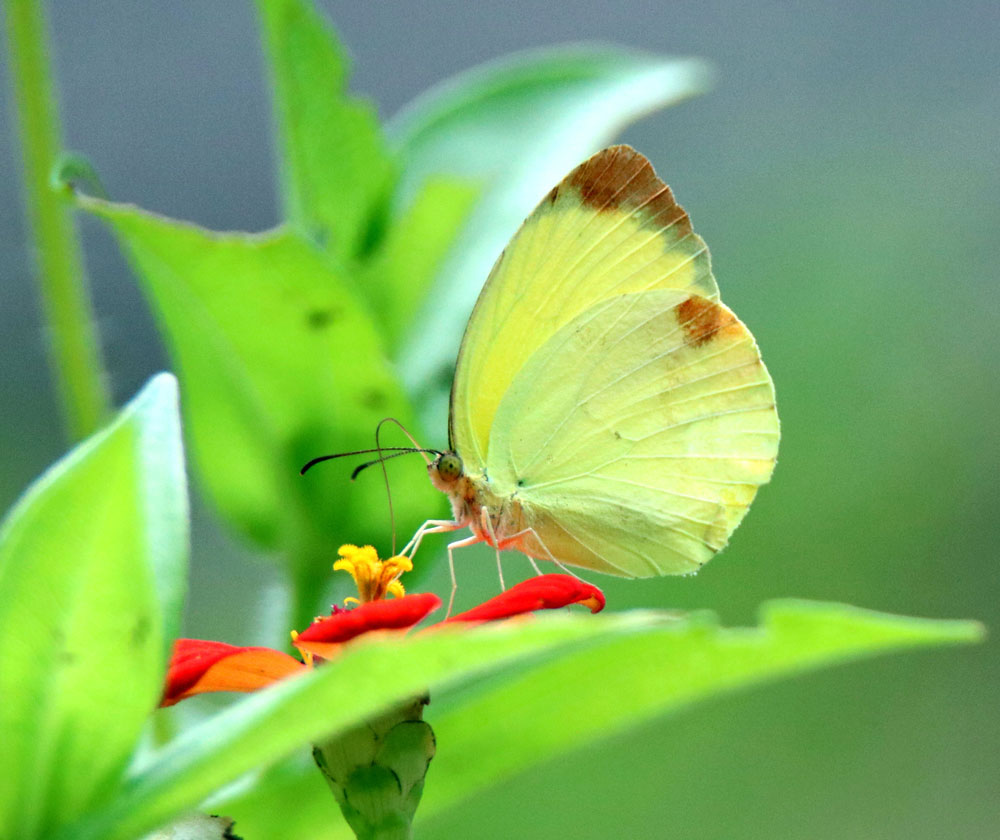
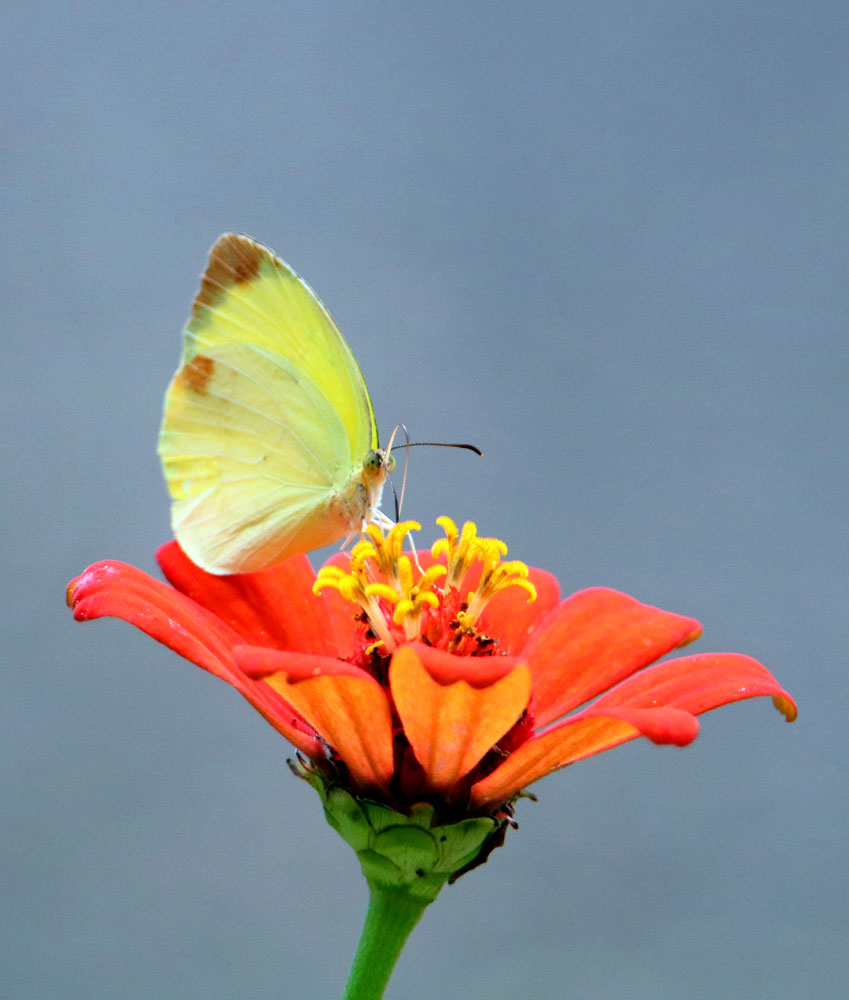
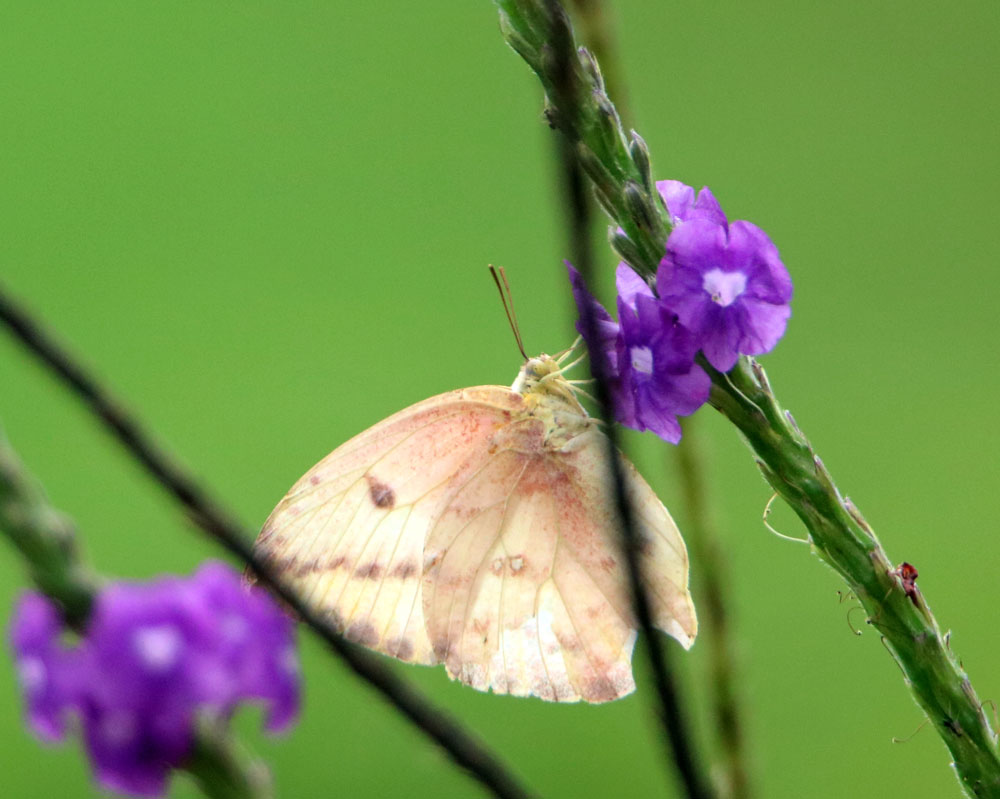
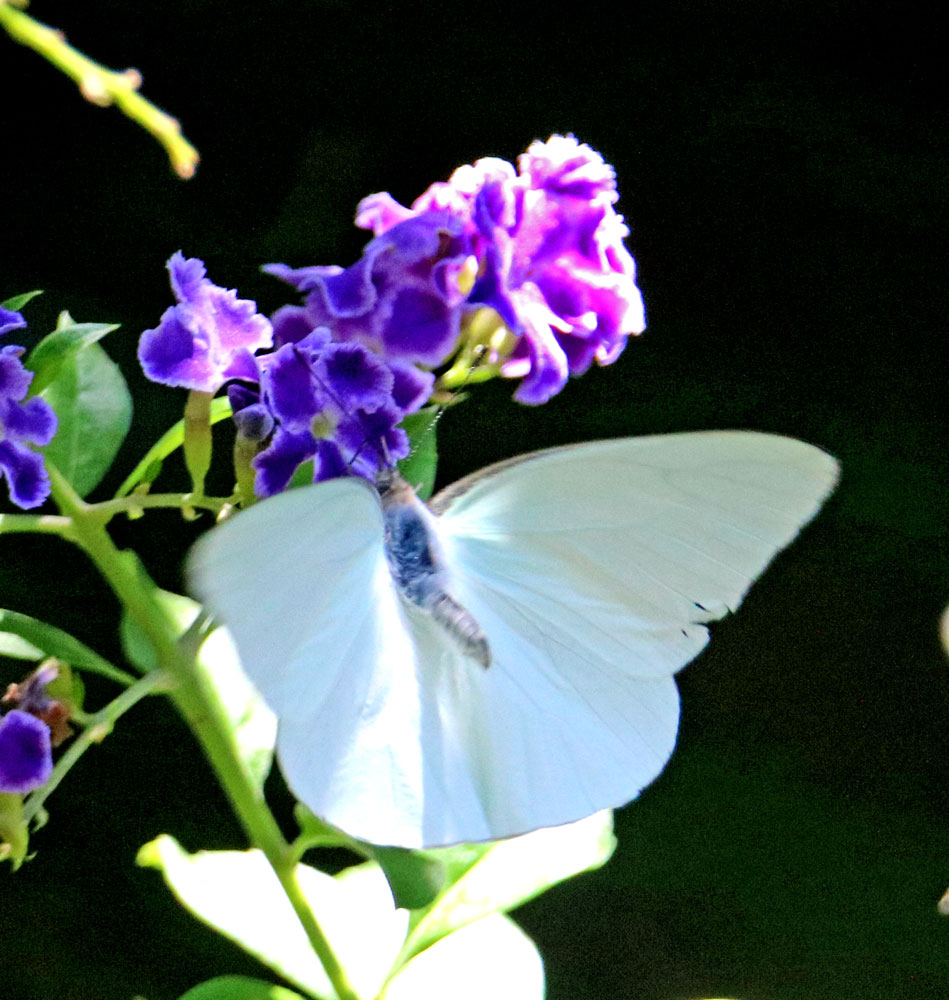
So many of the butterflies have colors included in their names and this one is not the only one that doesn’t stick to its colors. 🙂 I’ve seen the Large Orange Sulphur (my gallery link) two or three other times, including one last month that was orange or really an orange-yellow. 🙂 But you have to admit that the name sounds better than calling it a “Large Dirty White Sulphur!” 🙂

Large Orange Sulphur, Atenas, Alajuela, Costa Rica

¡Pura Vida!

Monarch

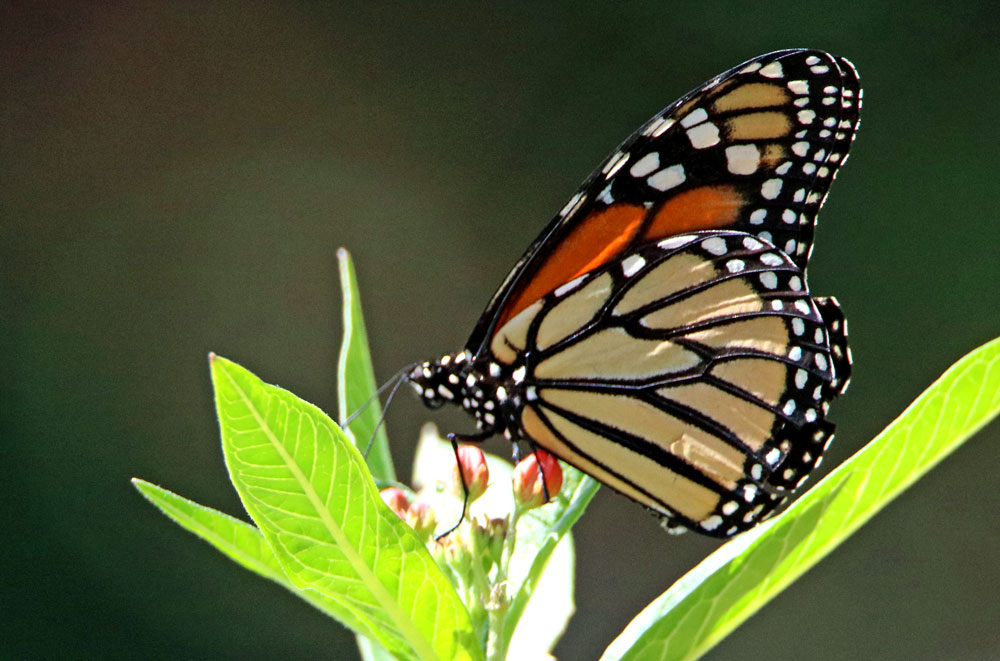
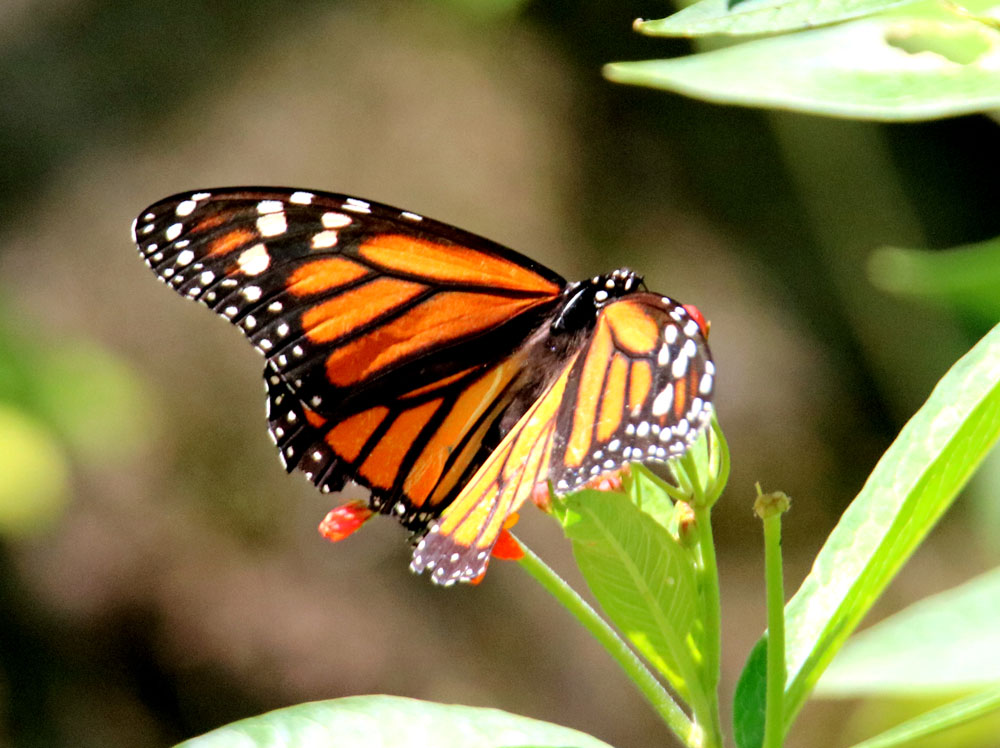
The Milkweeds I planted finally attracted a Monarch, but only this one on one day, while the Milkweeds are being dominated by a “flight” or “kaleidoscope” of Banded Peacocks. 🙂 I made a lot of photos with 9 shown in the gallery, Monarch (linked), along with many other Monarchs from other locations in Costa Rica with I think the best being the ones made at Maquenque Lodge this past July. Just two shots from my garden in this blog post.

Monarch, Atenas, Alajuela, Costa Rica

¡Pura Vida!

Common Anastrus

This is another new species for me, a Spreadwing Skipper named Common Anastrus or Common Bluevent (my gallery linked) with more images in that gallery. Not as colorful or flashy as some I’ve seen here recently, but another important member of the Butterfly Family, photographed here on Lantana Flowers. It lives in Central America and tropical South America with Costa Rica it’s “type locality” or where it is happier (like me)! 🙂

Common Anastrus, Echelatus sempiternus, Atenas, Alajuela, Costa Rica

¡Pura Vida!

“Costa Rica: Cradle of Whales” FREE video on YouTube

Costa Rica is the only place in the world where whales come from two hemispheres to give birth to their babies. Currently the whales from Antarctica are here and by December those arctic whales from off the coast of Alaska will be here for the same reason. The 46 minute video was made by a large conglomeration of volunteer scientists, underwater photographers, and nature organizations in cooperation with Costa Rica TV Channel 7 that just premiered it on TV. They now share it with the world for free from their YouTube channel, linked from the title above and embedded below . . . IT IS IN SPANISH ONLY . . .

You will enjoy the photography, even if you can’t understand Spanish! 🙂

Titan Sphinx Moth

One of the weirdest moths I’ve seen is the Titan Sphinx Moth – Aellopos titan (my gallery link) which has always been in my garden before, but this one earlier this month I saw on a Porterweed plant at the front gate of Residential Roca Verde. Some people have called them “hummingbird moths” because they hover over a flower like a hummingbird. I think they look more like a flying Shrimp! Ha, ha! 🙂

Titan-Sphinx-Moth, Atenas, Alajuela, Costa Rica

¡Pura Vida!

Blue Lasaia

Another great discovery in my garden is this Blue Lasaia or Blue Metalmark (Lasaia sula) (my gallery link). It is the first one seen in my garden, though I saw one other back in 2022 on the lady’s Zinnias at 8th Ave & 3rd Street, with those shots also included in the above linked gallery. There are so many cool butterflies in Costa Rica! (About 1,500 species). 🙂

Blue Lasaia, Atenas, Alajuela, Costa Rica
Continue reading “Blue Lasaia”

Is this Butterfly a Nature Goddess?

About 3 days ago a new species of butterfly appeared on one of my Tropical Milkweed flowers as seen in these two photos, another new species for me. The Banner Metalmark, Thisbe lycorias (my gallery link), is a striking butterfly found from Mexico south through Central America to the Western Amazonian Basin of Peru. It has also been called the “Foxface Metalmark” and one of my older books the “Fox-face Lemmark,” meaning as with many species, I struggle to keep up with multiple names, but now default to whatever iNaturalistCR is using and only rarely do they differ from BAMONA, my second-ranked online source.

Banner Metalmark, Thisbe lycorias, Atenas, Alajuela, Costa Rica

It appears in only two of my several Costa Rica butterfly books and with limited information. So I researched the scientific name Thisbe lycorias and that’s how I came up with the headline for today’s post. In short “Thisbe” was a Babylonian forest nymph and part of their early legends, while “Lycorias” was a Greek sea nymph as part of their early stories and myths. If you didn’t know, historically a nymph was a “minor nature Goddess” in those early tales. 🙂

From Google & Wikipedia: “When British entomologist William Chapman Hewitson first described the species in 1853, it was standard practice among European naturalists to pluck names from classical Greek and Roman texts. By pairing the Babylonian nymph Thisbe with the sea nymph Lycorias, the scientific name became a poetic nod to ancient folklore.” 🙂 With the “fairy-like” appearance of so many butterflies, that early naming practice is sort of understandable. 🙂 And I’ve started a gallery on this species with 4 shots from this one observation: Banner Metalmark, Thisbe lycorias.

Enjoy today’s “nature goddess,” Thisbe Lycorias!

🙂

¡Pura Vida!

Pink-spotted Cattleheart

There are several species of “Cattlehearts,” a type of swallowtail butterfly which are all solid black with red/pink and white spots or other “designs.” This is one of prettiest of the 9 species I’ve photographed here and show in my SWALLOWTAILS family gallery (linked) or you can see more of just this species in the gallery: Pink-Spotted Cattleheart (linked).

Pink-spotted Cattleheart, my garden, Atenas, Alajuela, Costa Rica
Continue reading “Pink-spotted Cattleheart”