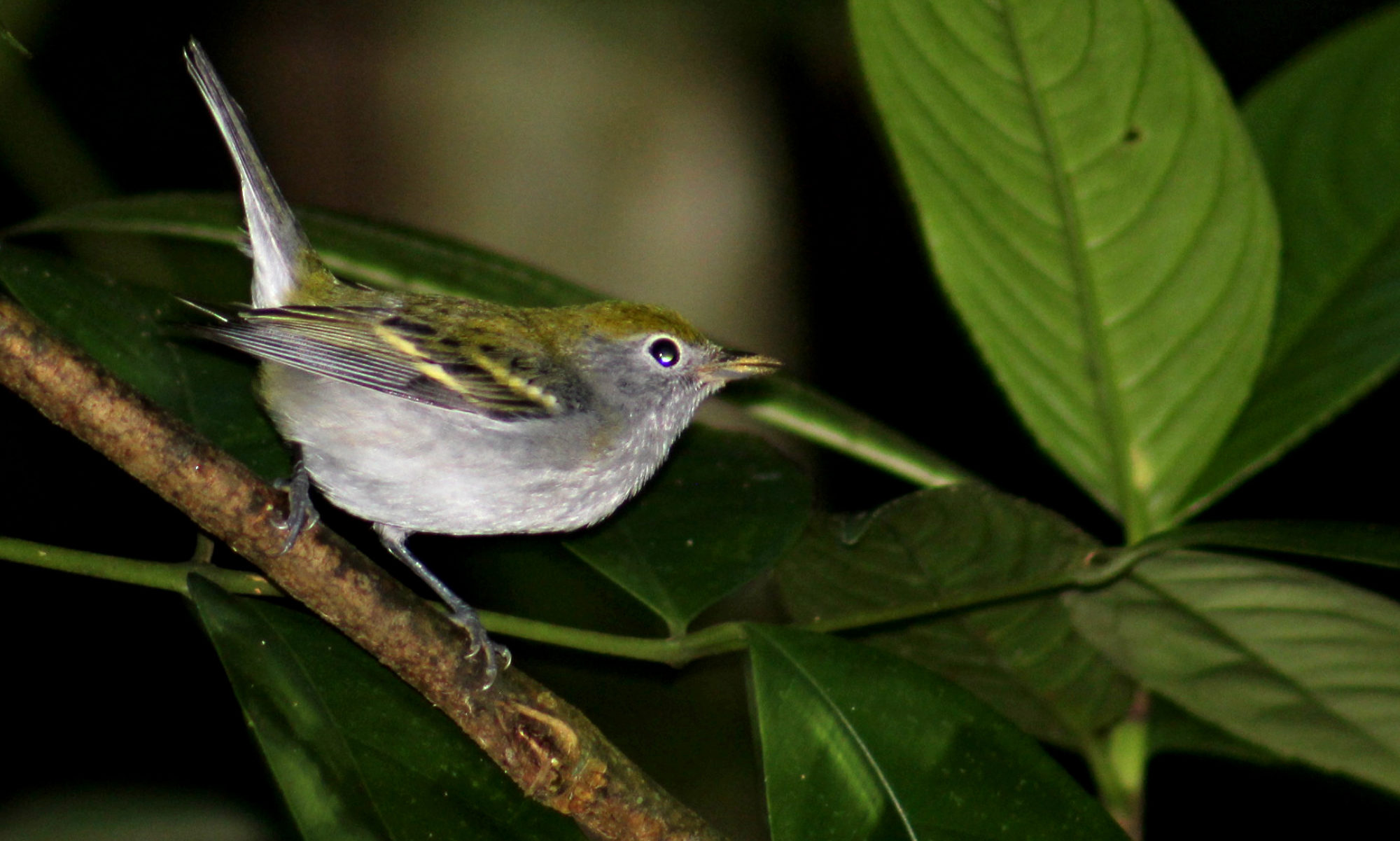
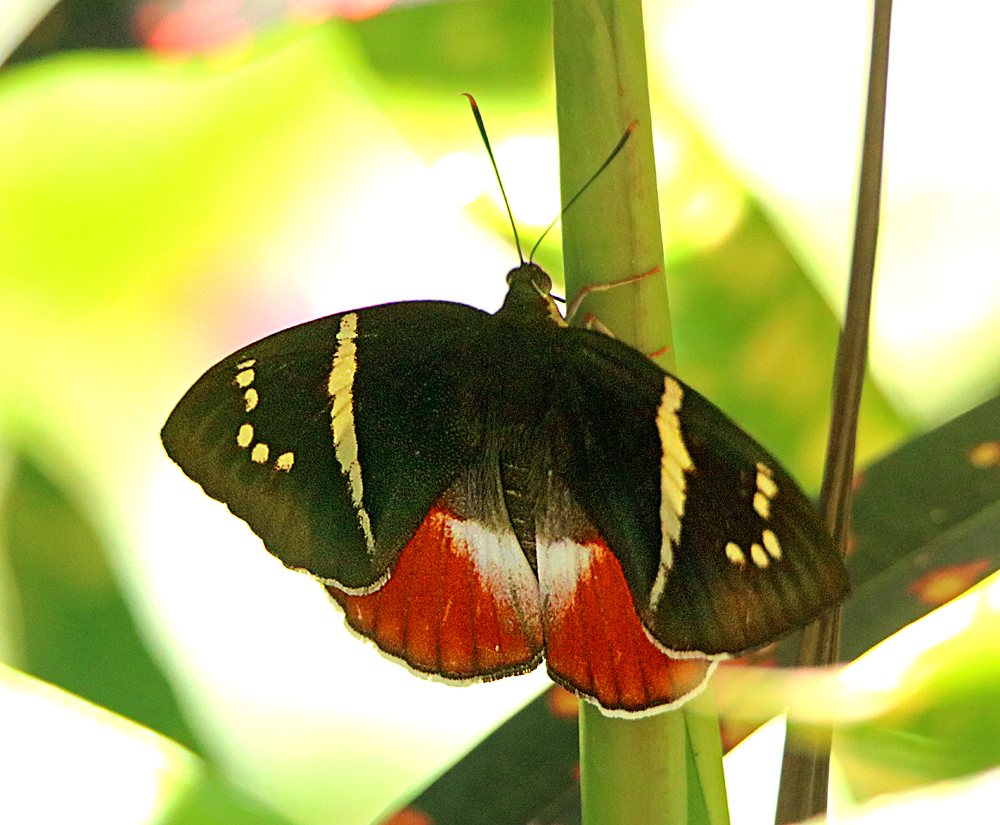
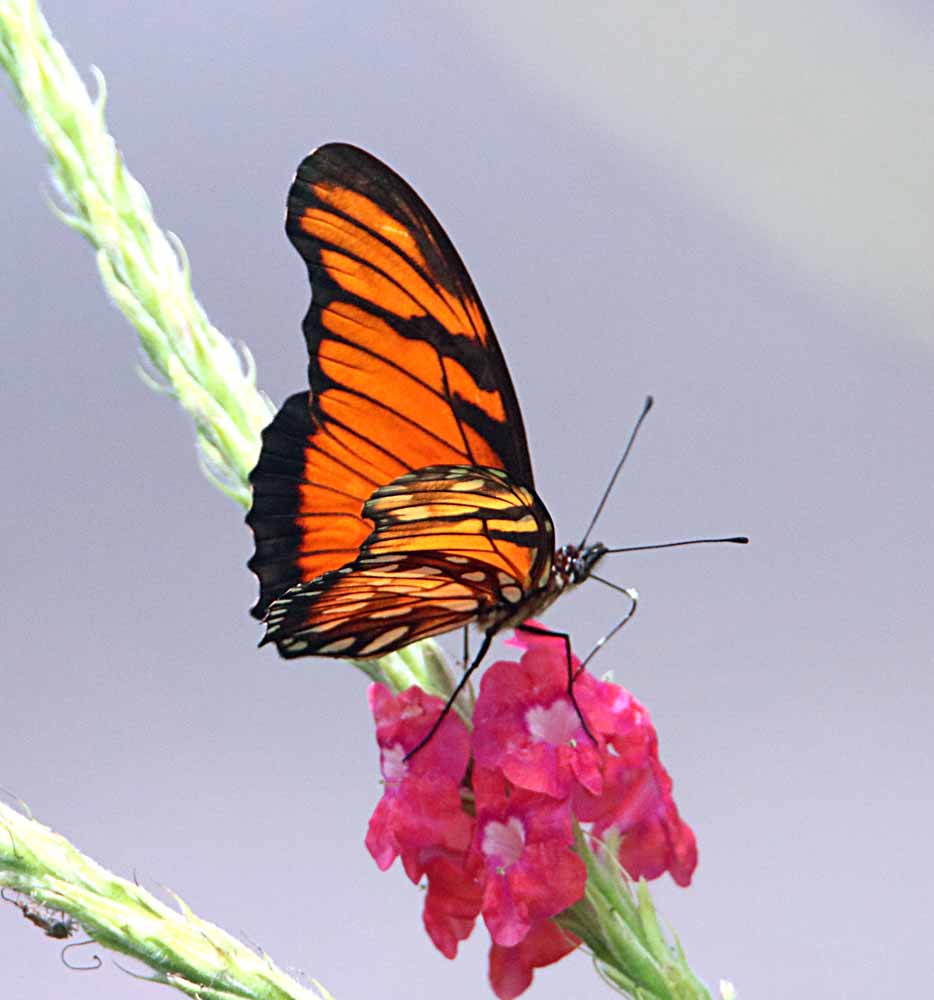
is usually trying to hide behind leaves in the garden, but if I keep trying I usually get a shot, though there are much better ones in my GALLERY: Giant Butterfly Moth, Castniomera atymnius. All photos are either from my garden or the Esquinas Rainforest Lodge where I will be next week. Just one shot here . . .
Giant Butterfly Moth, Atenas, Alajuela, Costa Rica
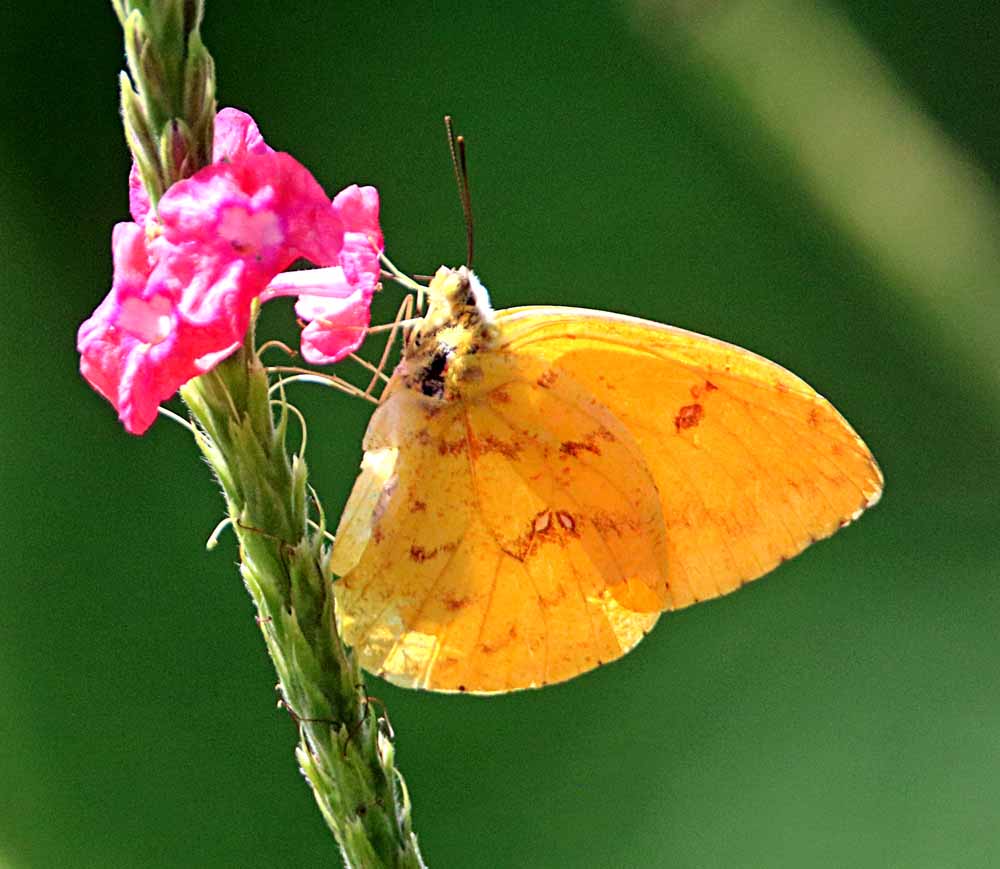
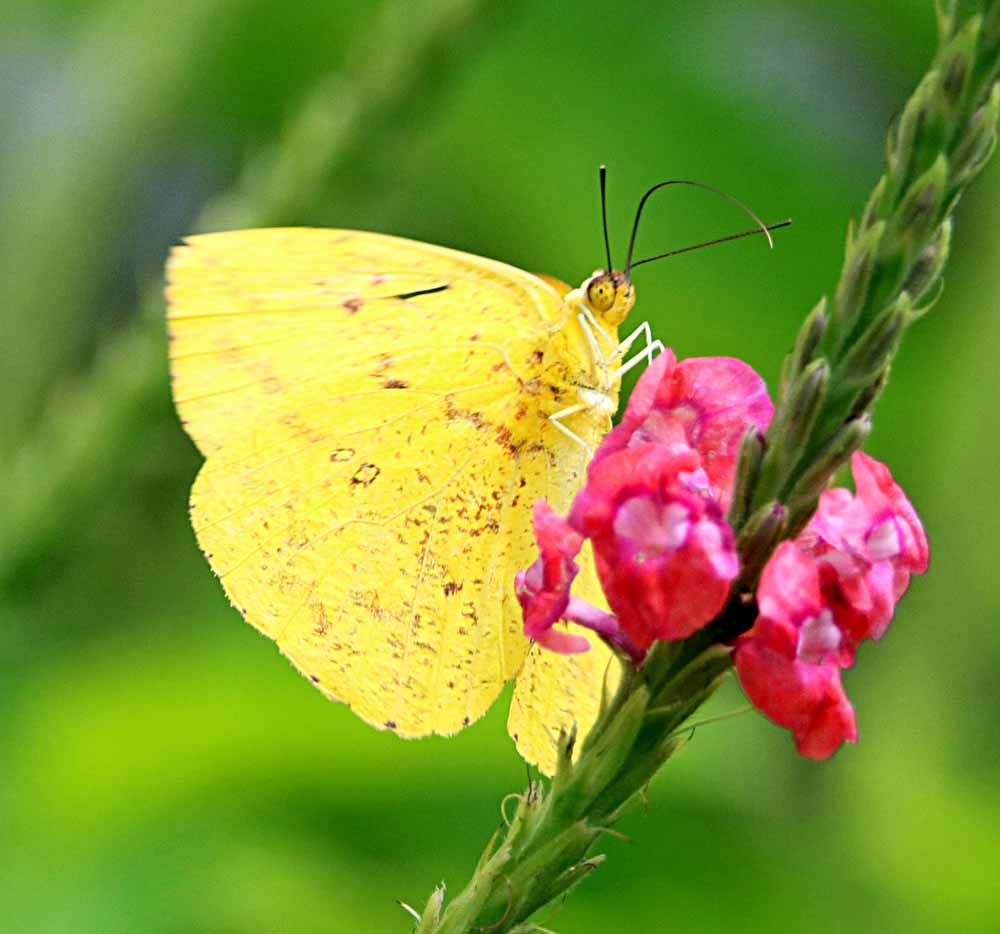
is one of my “regulars” this year and varies in color from an Apricot orange color to the common yellow of all the other yellows! But, he/she always has lots of brown spots and usually the distinctive double white spots on folded wings (solid yellow on top). Here’s just two shots from this month, one yellow and one orangey. See more in my GALLERY: Apricot Sulphur, Phoebis argante.
Apricot Sulphur, Atenas, Alajuela, Costa RicaApricot Sulphur, Atenas, Alajuela, Costa Rica
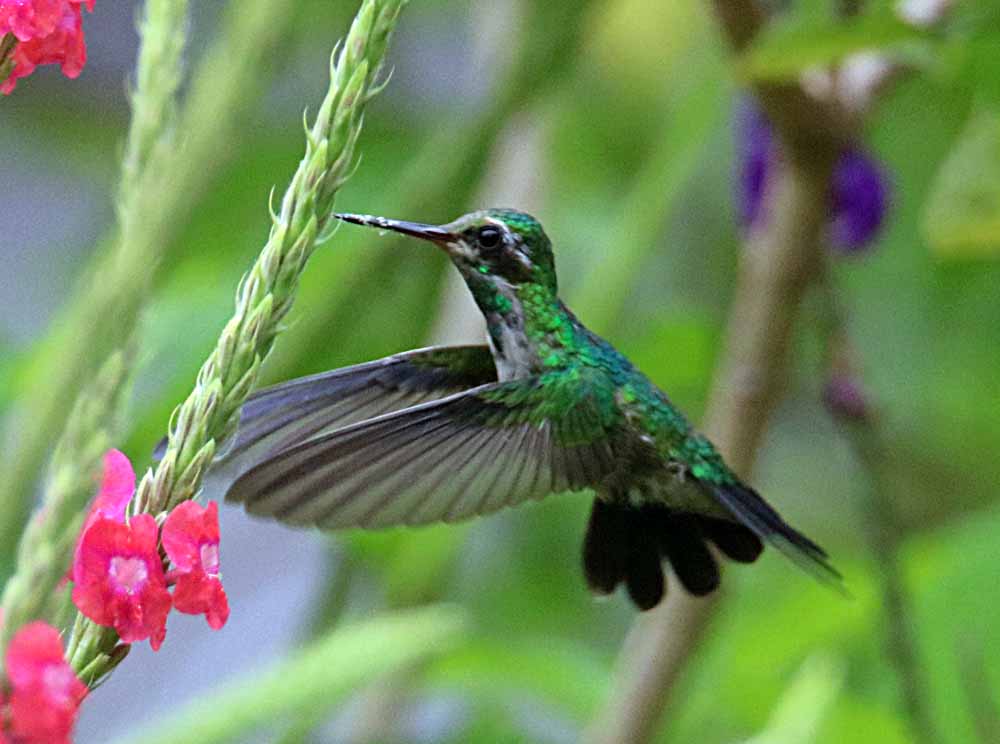
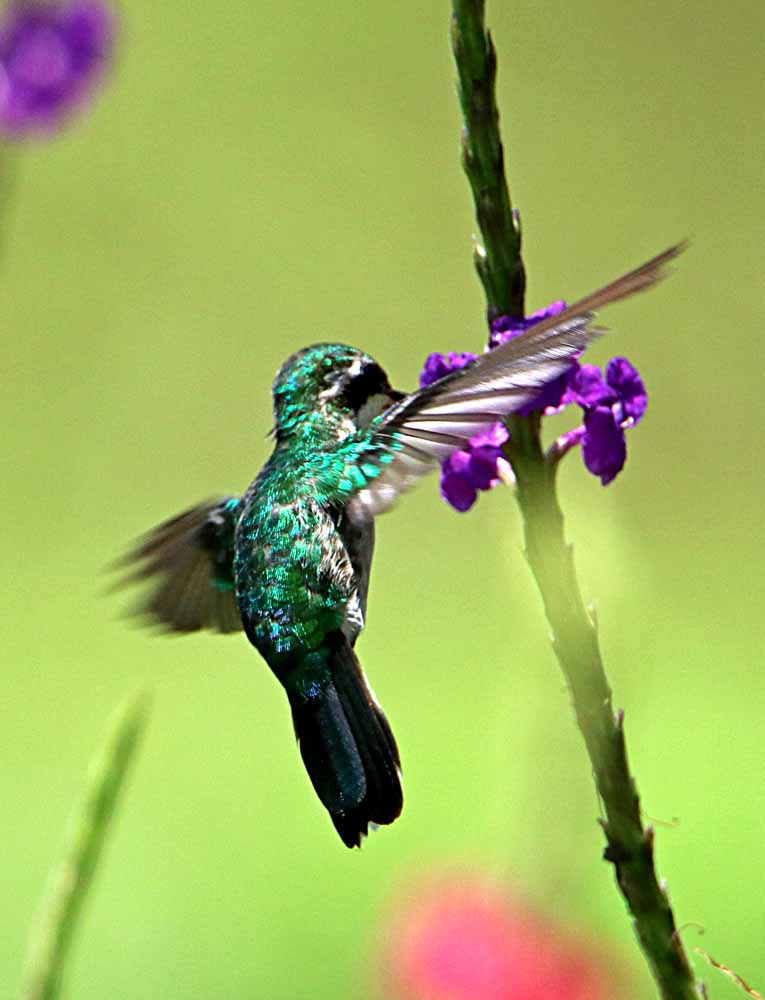
In the past I’ve had a problem with the Rufous-tailed Hummingbirds chasing off any other hummingbirds, but so far the Canivet’s Emerald, Cynanthus canivetii (my gallery link) have made themselves at home and I see them on my Porter Weeds almost as much as the Rufous-tailed. But the Blue-vented seem to have gone somewhere else again. Maybe I will refill the feeders more often! 🙂 Here’s three shots of the female in addition to the feature photo above. The male doesn’t have the white eyebrow and chest and thus I probably call some of them Rufous-tail or Blue-vented, which are all three similar males.
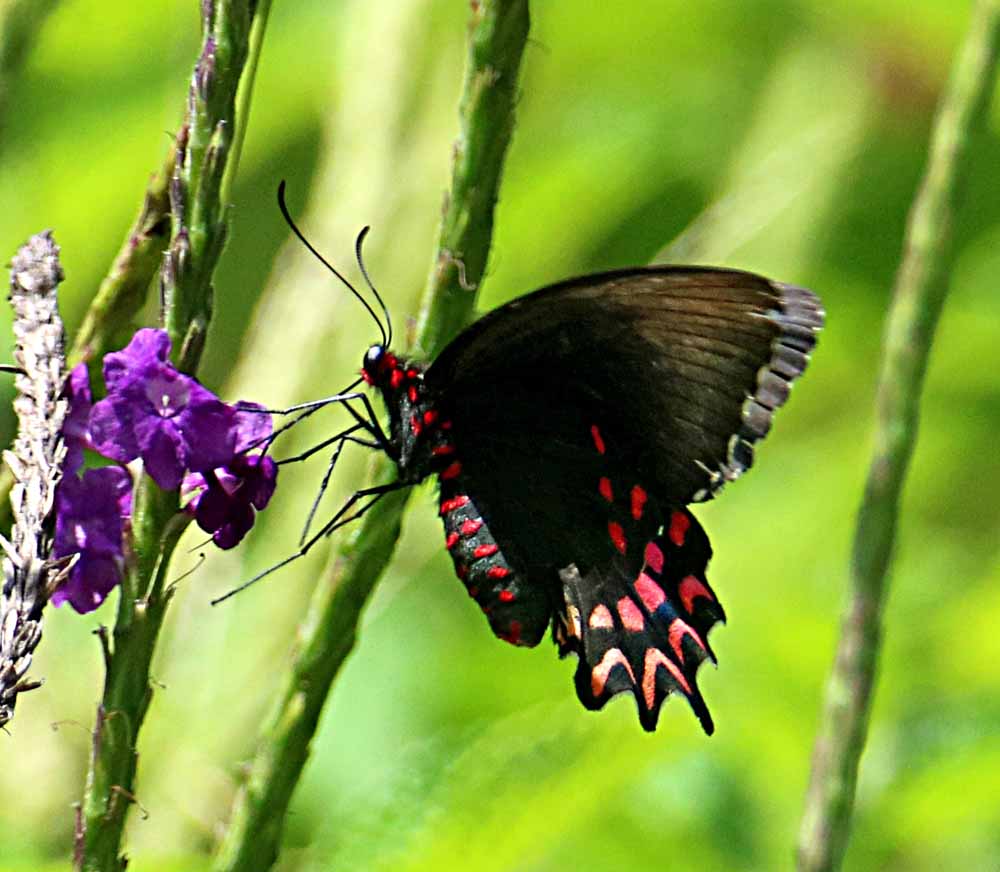
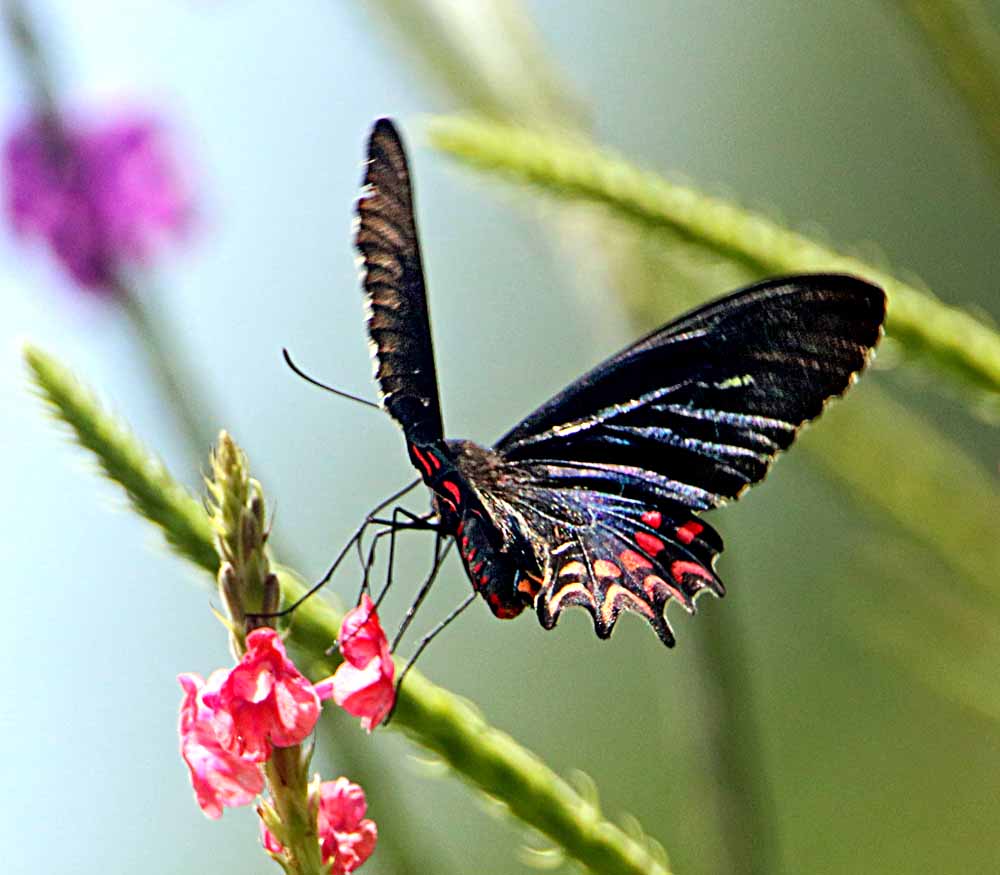
This butterfly in the Swallowtail Family is one of the more brilliant and the only Cattleheart with two rows of pink (red) spots on the bottom of his hind wings. And note that this particular individual is damaged and has only one hind wing. You will find much better shots in my gallery: Pink-spotted Cattleheart, Parides photinus, and all but one photo are from my garden. 🙂 Found only from Costa Rica to Mexico.
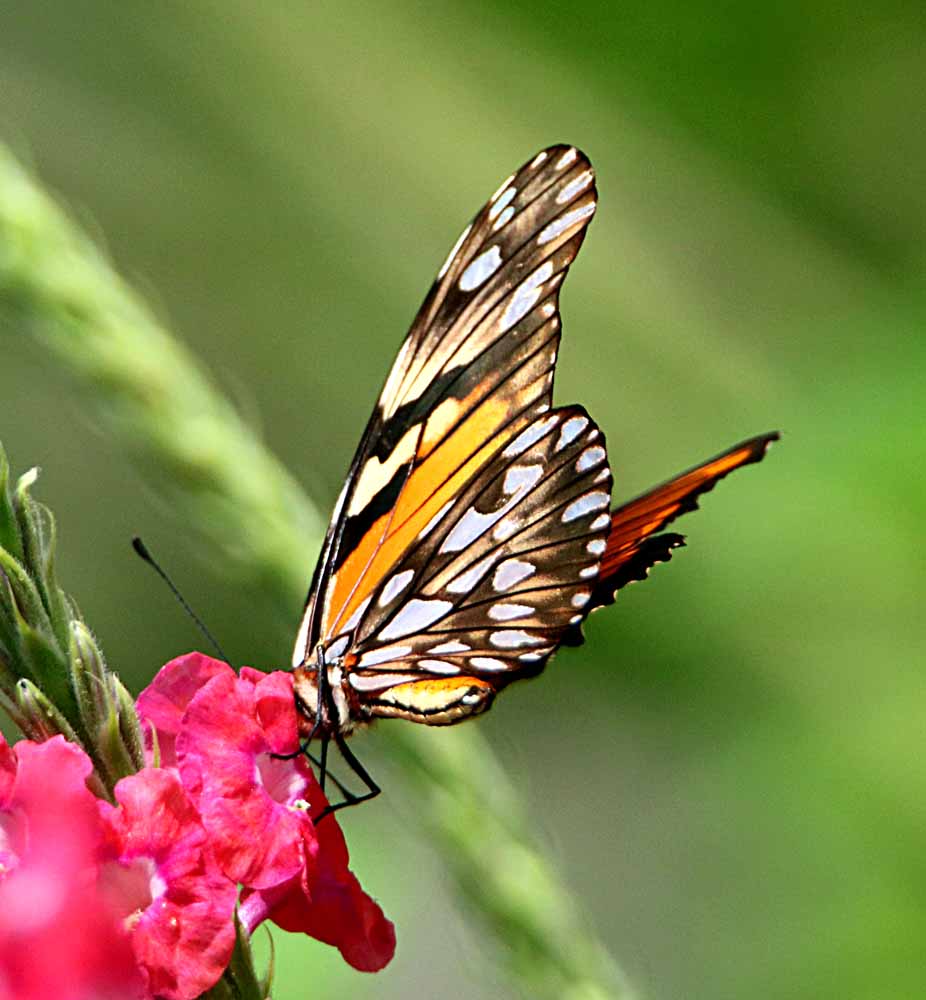
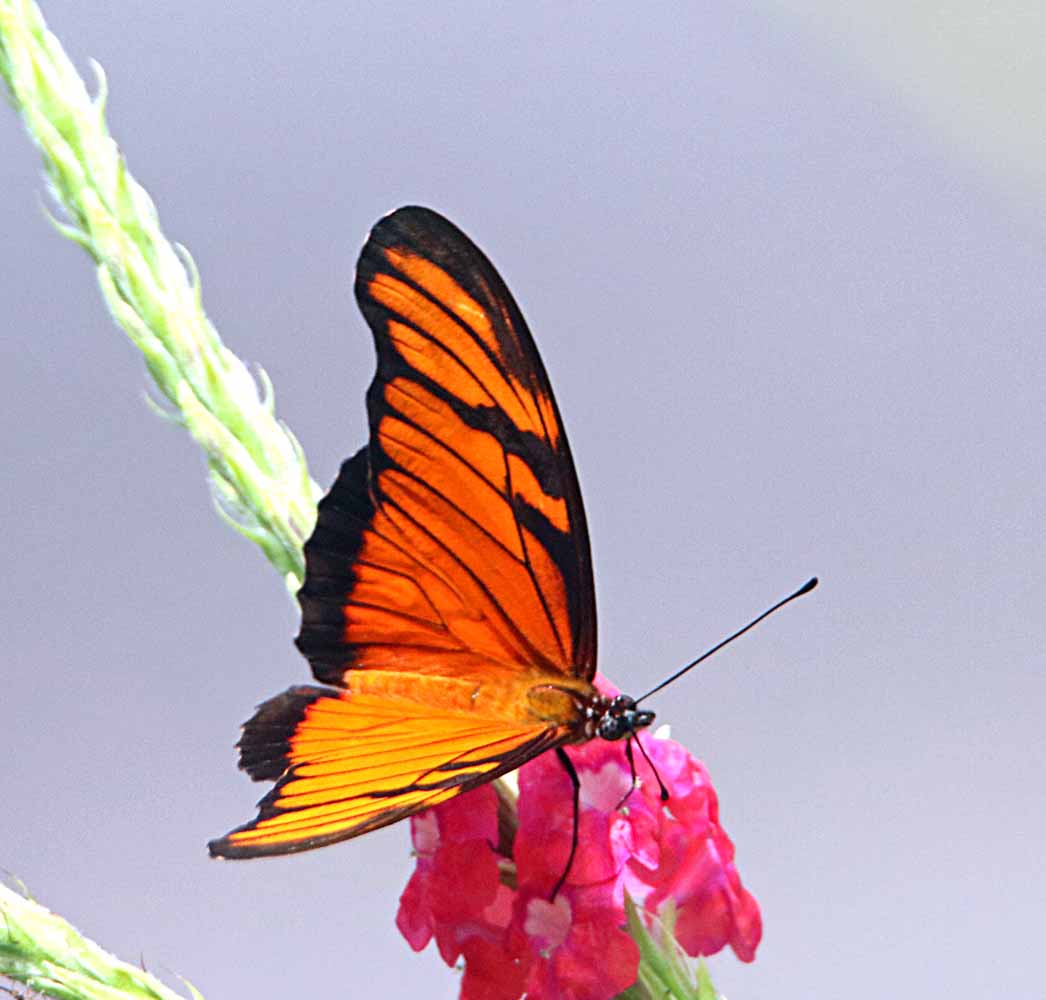
A few days ago I shared a Mexican Silverspot and this one is different but similar, with the side view spots differently arranged and the top view totally different. Some more of the flying color found in Central America! See my GALLERY: Juno Longwing or Silverspot, Dione juno for more and better photos from Costa Rica.
Juno Silverspot, Atenas, Alajuela, Costa RicaJuno Silverspot, Atenas, Alajuela, Costa Rica
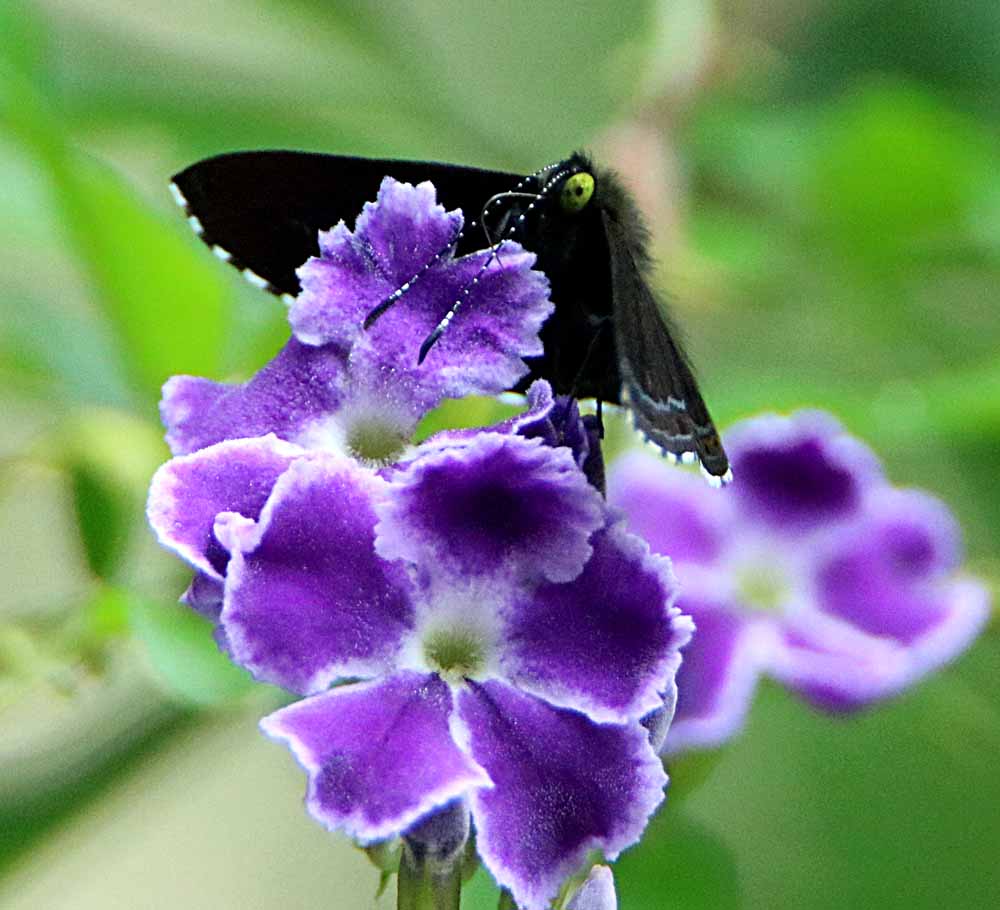
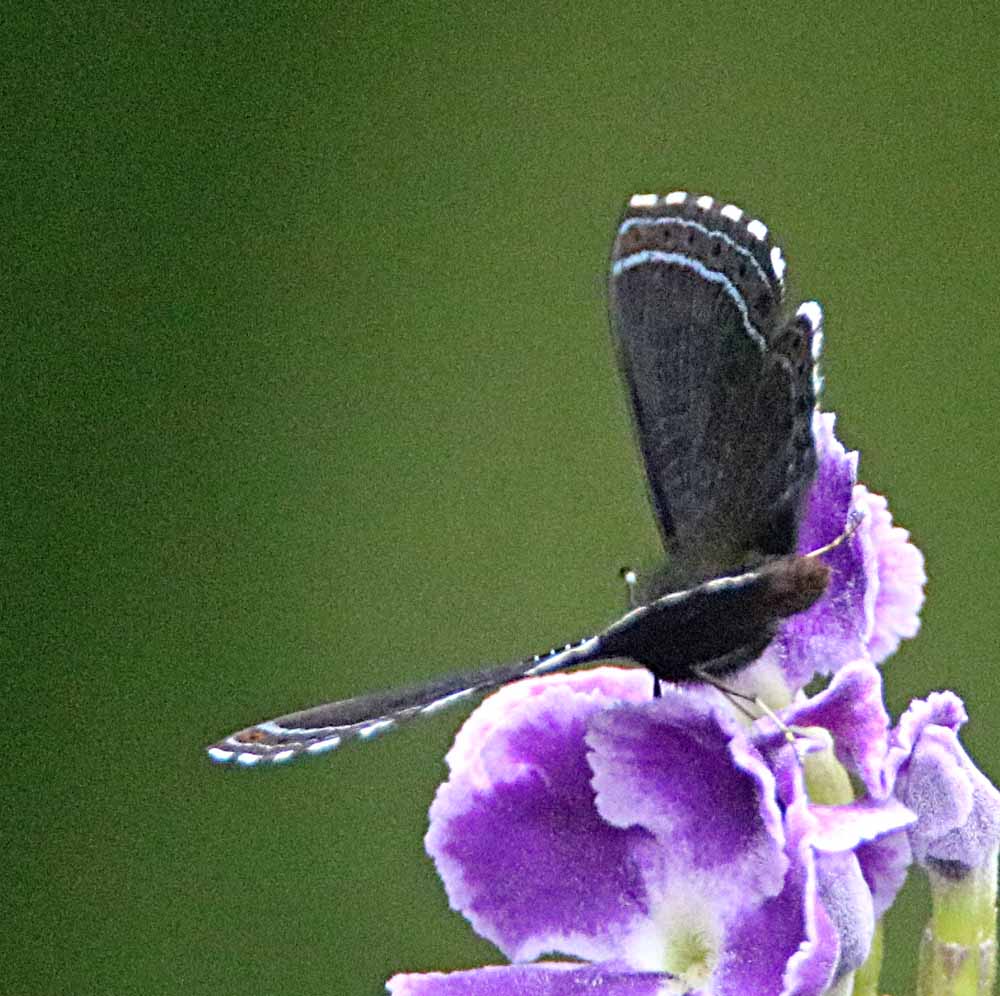
. . . for me at least, and for BAMONA, as I had to ask for the additional species, though there are lots (160) of observations on iNaturalist CR. This was of course in my garden, on the “Once de abril” or Golden Dewdrop flowering shrub (Duranta erecta). The butterfly is the Anius Metalmark (Charis anius), one of the tiny (thumbnail sized) Metalmarks. In addition to the iNat observations above you can find a little bit of info on iNaturalista Costa Rica. It is found from Honduras south to Brazil. No other information seems to be online nor in my books. I got only two shots before he disappeared.
Anius Metalmark, Atenas, Alajuela, Costa RicaAnius Metalmark, Atenas, Alajuela, Costa Rica
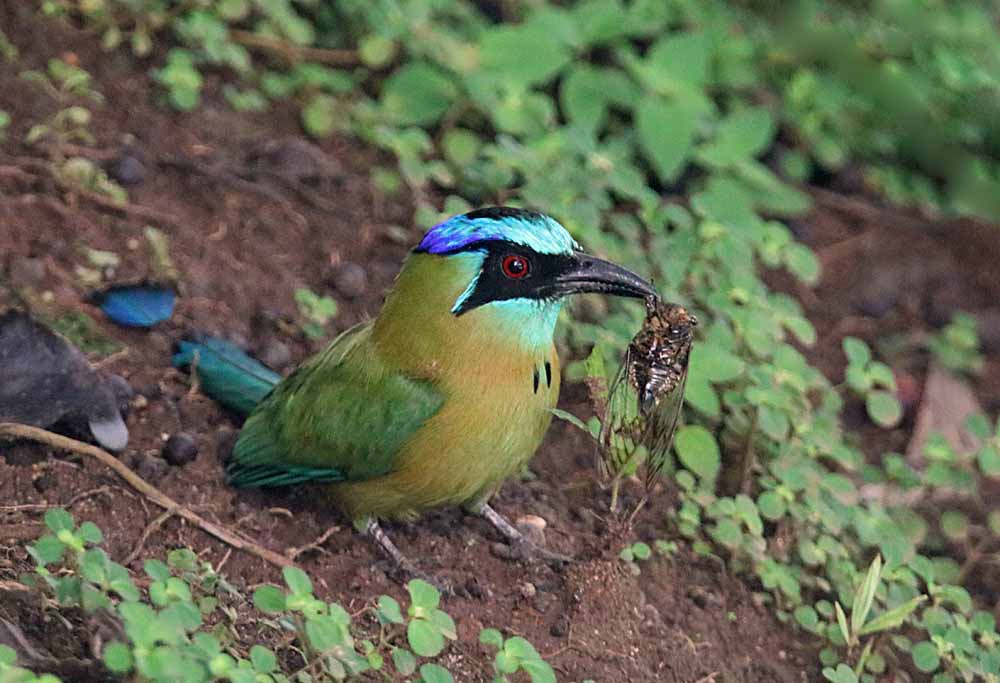
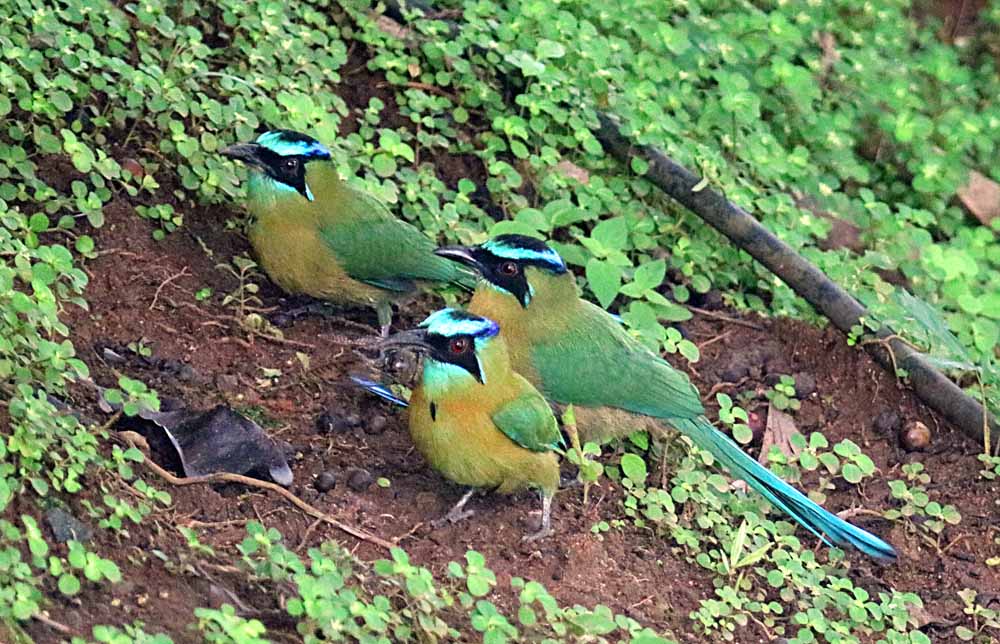
Sunday before last in the early morning before walking to El Fogon for breakfast, I was on my terrace with a cup of tea and my camera when the neighborhood motmots came to my garden with their offspring. It appears that they were teaching him/her (male and female look identical to humans) how to catch a Cicada (or find a dead one). 🙂 Check out the gallery below of 6 shots chronologically of the lesson in my Higuerón and Nance Trees and on the ground below . . .
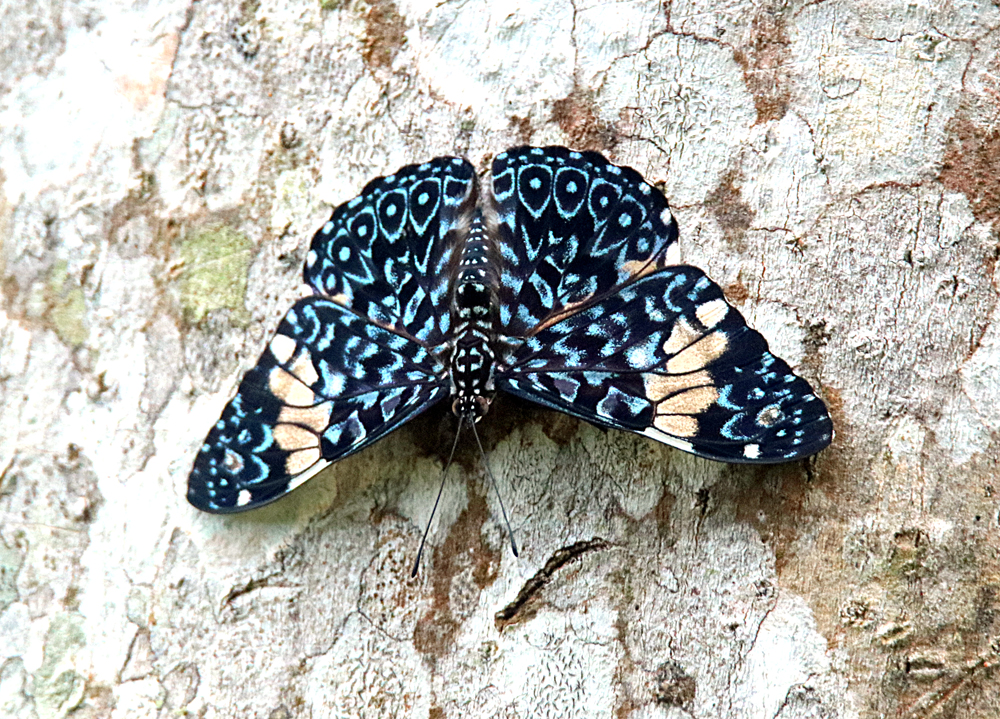
The Red Cracker, Hamadryas amphinome (my gallery link) has an almost solid red underside of his lower wing, which I am yet to get a photo of. The only other place that I’ve seen this butterfly was on two different occasions at Xandari Resort, on a hill overlooking Alajuela (city) and the San Jose Airport. This shot was made in my garden on the trunk of the Cecropia Tree. I’ve only seen Crackers (all species) on trunks of trees, so maybe there is something in bark they eat? 🙂 And I’ve also only seen the topside of most.
Red Cracker, Hamadryas amphinome, Atenas, Alajuela, Costa Rica
¡Pura Vida!
And if Cracker butterflies interest you, check out my galleries on these 6 different species . . .
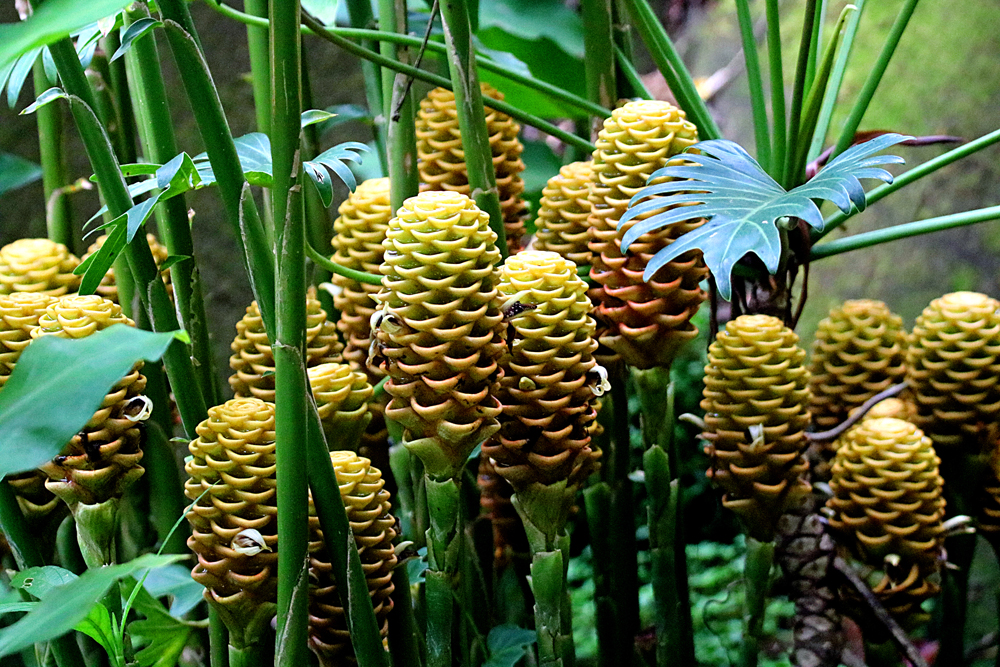
At almost opposite times of the year I get two crops of Maraca Flowers each year with red ones in November in my front gardens and these yellow ones in April to June in my back garden, which is always the larger of the two crops. Some North Americans or other English speakers call them “Shampoo Ginger” or “Pinecone Ginger” while Costa Ricans call them “Maracas.” My first time to see them was on one of my expeditions to Guatemala and loved this tropical oddity from the beginning. And its aromatic liquid in the bracts can actually be used as a shampoo or conditioner. 🙂 The scientific name is Zingiber zerumbet and they are usually red, yellow or orange in color.
Maraca or Shampoo Ginger, Atenas, Alajuela, Costa Rica
And on the other side of my house (streetside) are the red ones now dying out as these yellow one come in. I don’t know why they are on different schedules, but it means I always have some Maracas blooming! 🙂
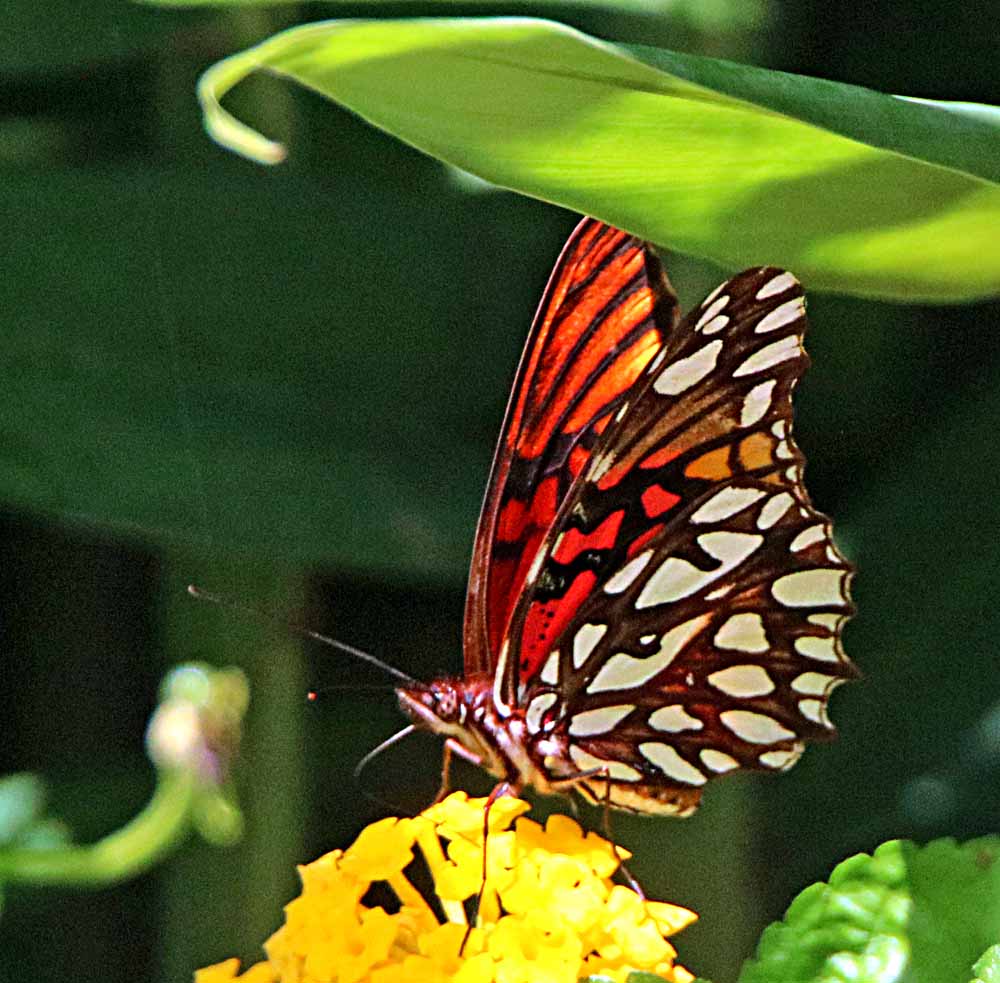
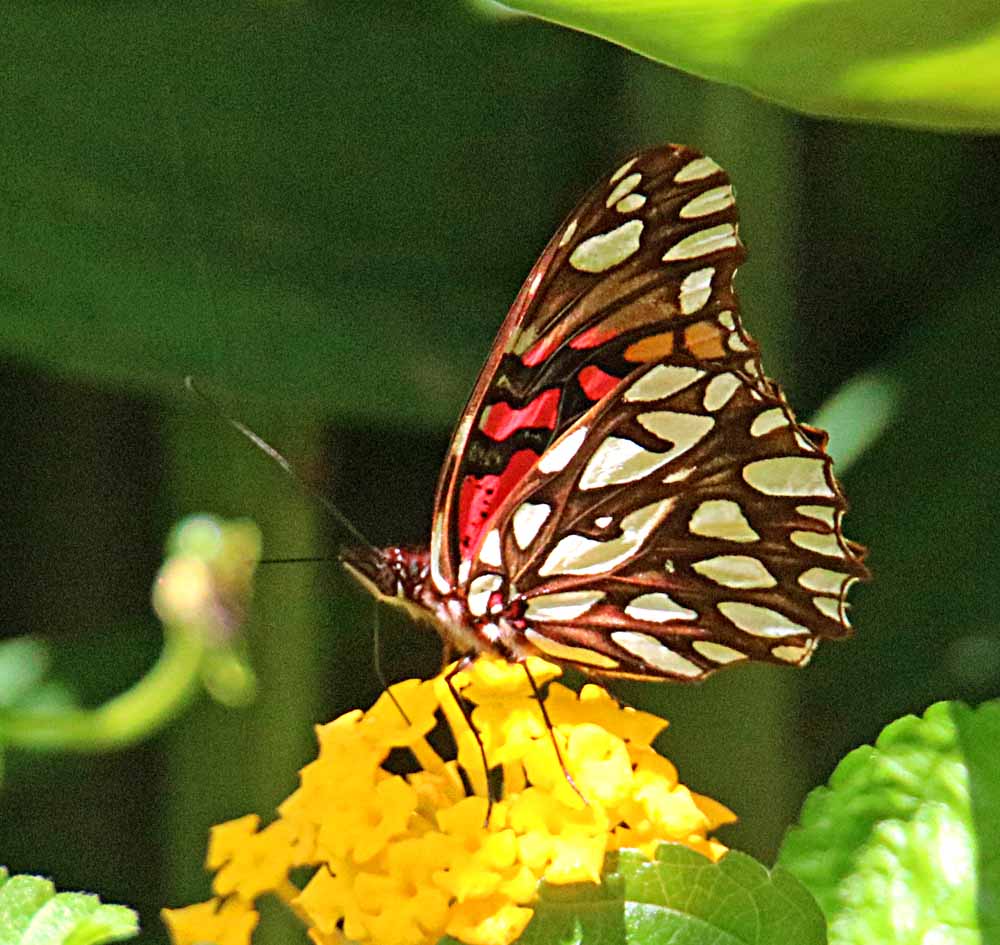
A nice colorful heliconian that I was glad to see in my garden the other day, Mexican Silverspot, Dione moneta (my gallery link). It’s the colorful ones that are called “flying flowers.” 🙂
Mexican Silverspot, Atenas, Alajuela, Costa RicaMexican Silverspot, Atenas, Alajuela, Costa Rica
¡Pura Vida!
sustainable development ecology
“The time to protect a species is while it is still common.”