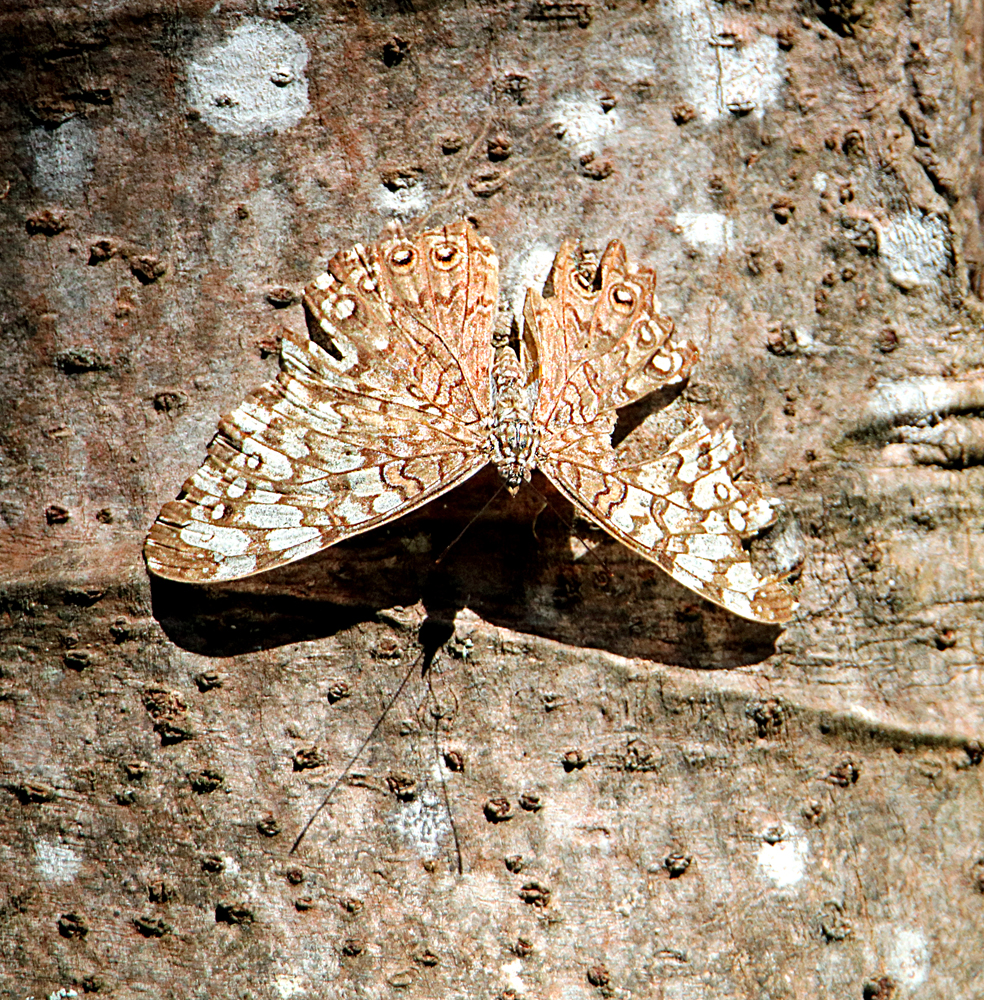
Who has always been tan for me instead of gray, but the spots and not the color determines what species it is. 🙂
See my other photos of this species in my Gray Cracker Gallery.
¡Pura Vida!

charliedoggett.net
Both my gardens and ones I visit
Who has always been tan for me instead of gray, but the spots and not the color determines what species it is. 🙂
See my other photos of this species in my Gray Cracker Gallery.
¡Pura Vida!
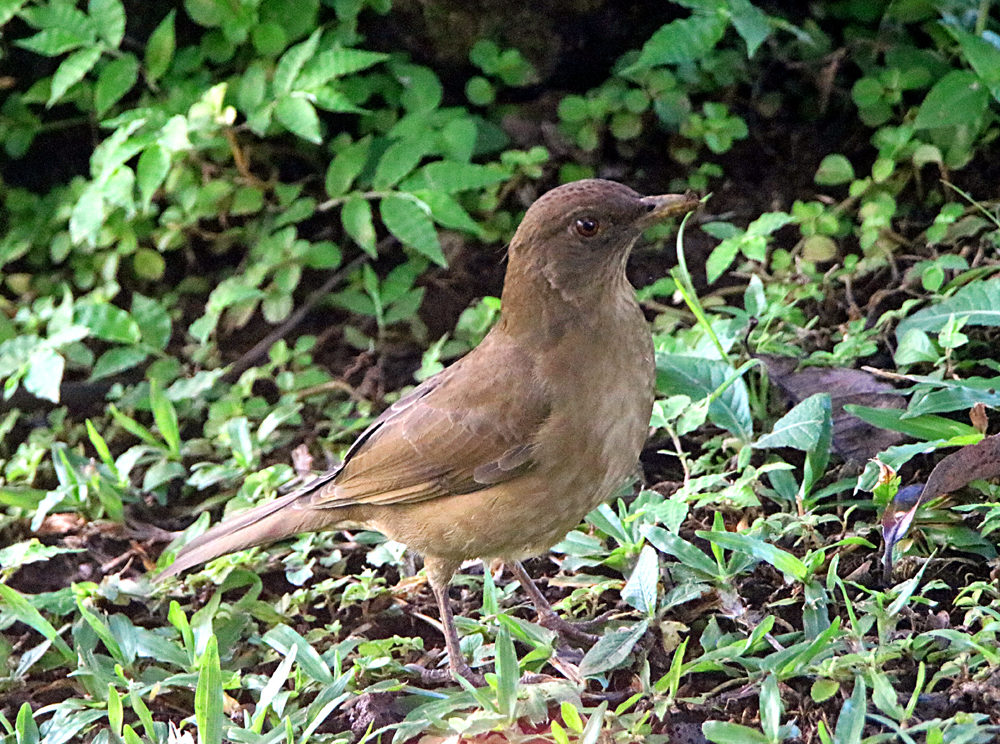
“The Clay-colored Thrush in Costa Rica eats a varied diet of insects, earthworms, and other invertebrates, supplemented by fruits and berries. They are found in diverse habitats across the country, including forests, open woodlands, gardens, and urban areas. They forage primarily on the ground by hopping and probing leaf litter, but also eat fruit from trees.” ~Google AI Overview. See more photos in my Gallery Clay-colored Thrush.
¡Pura Vida!
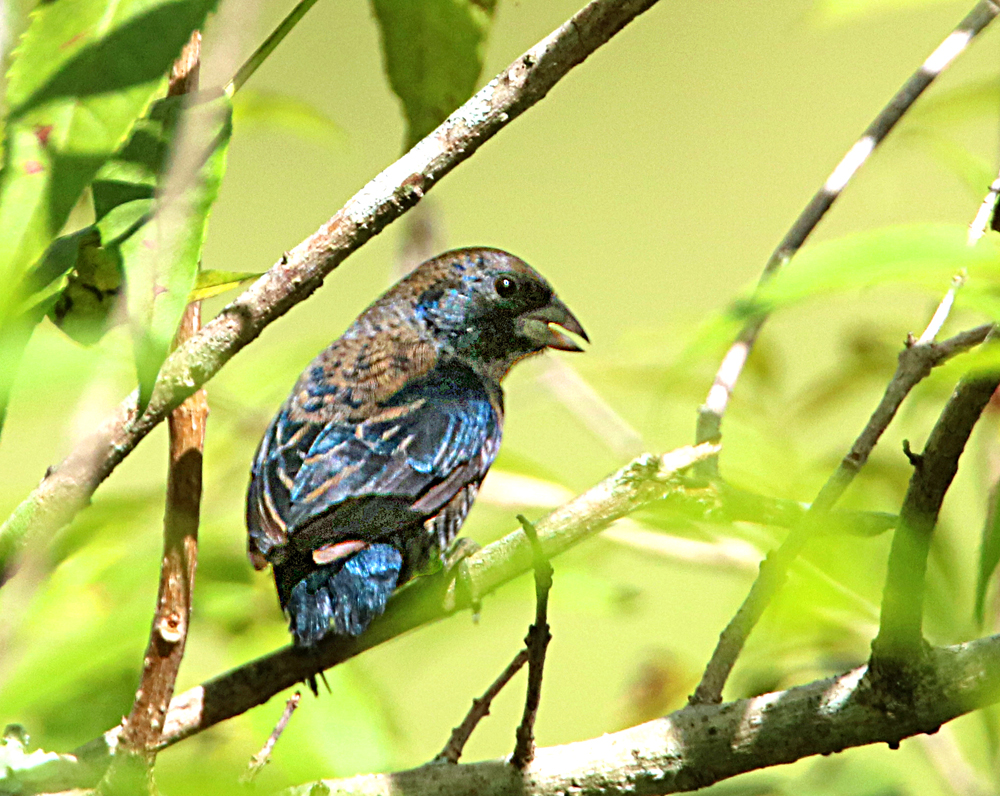
The adult males are a strong black & blue while the adult females are brown. It is the immature males that have the mottled brown, blue & black look like this. See more photos in my Blue-black Grassquit Gallery. Including my favorite shot of females lined up on a barbwire fence at Carate adjacent Corcovado National Park back in 2009 on my first trip to Costa Rica. 🙂
¡Pura Vida!
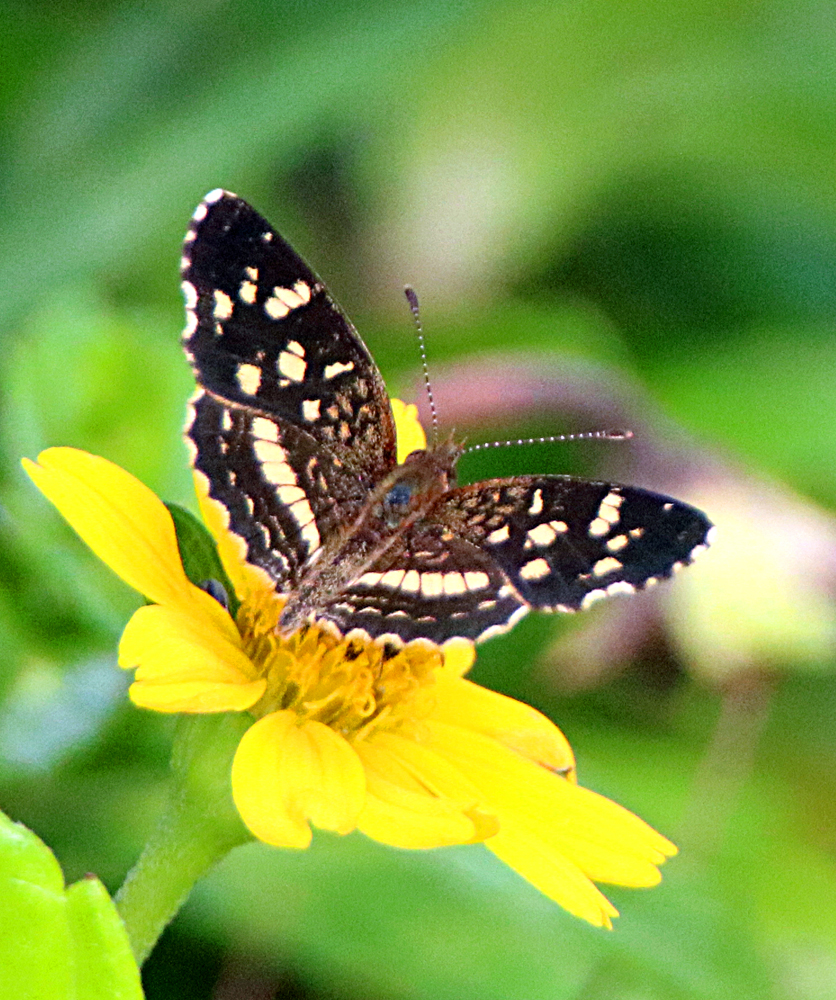
A tiny little creature who stays close to the ground and on ground cover flowers like this. Not my first sighting, but first one this year. Formerly called Tulcis Crescent; see more photos in the Gallery: Pale-banded Crescent, Anthanassa tulcis.
¡Pura Vida!
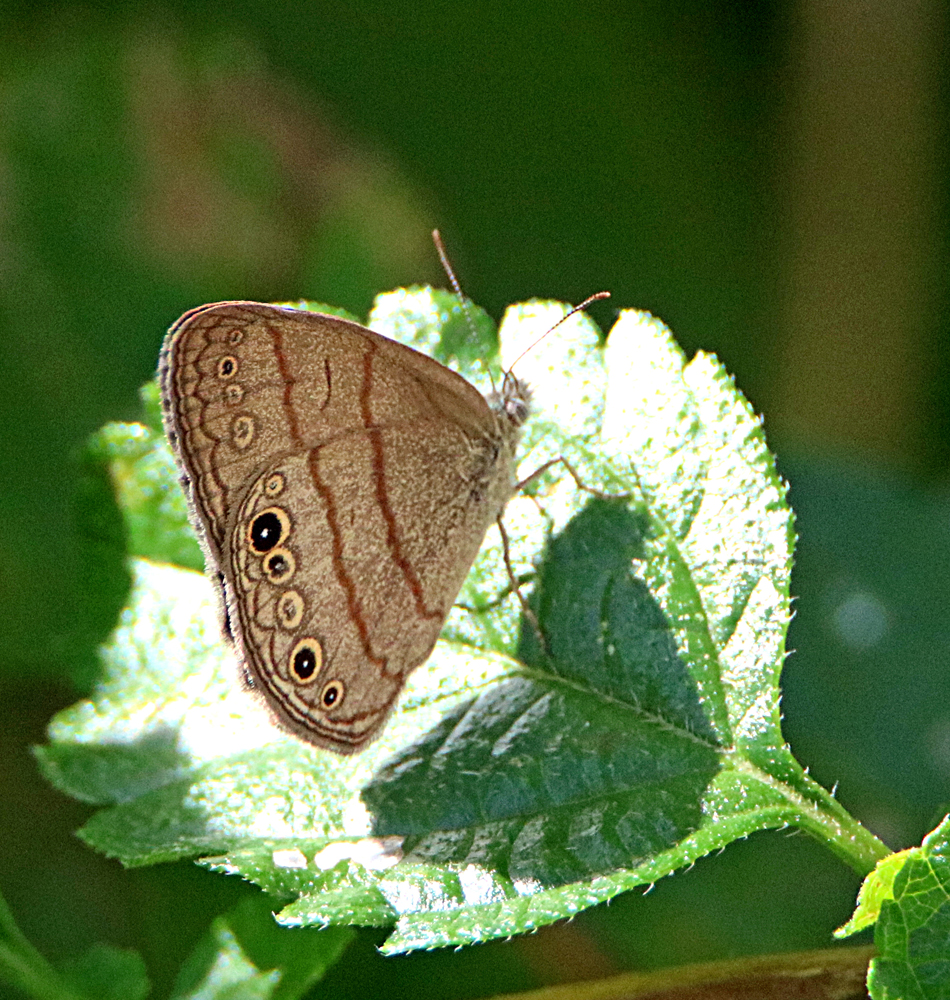
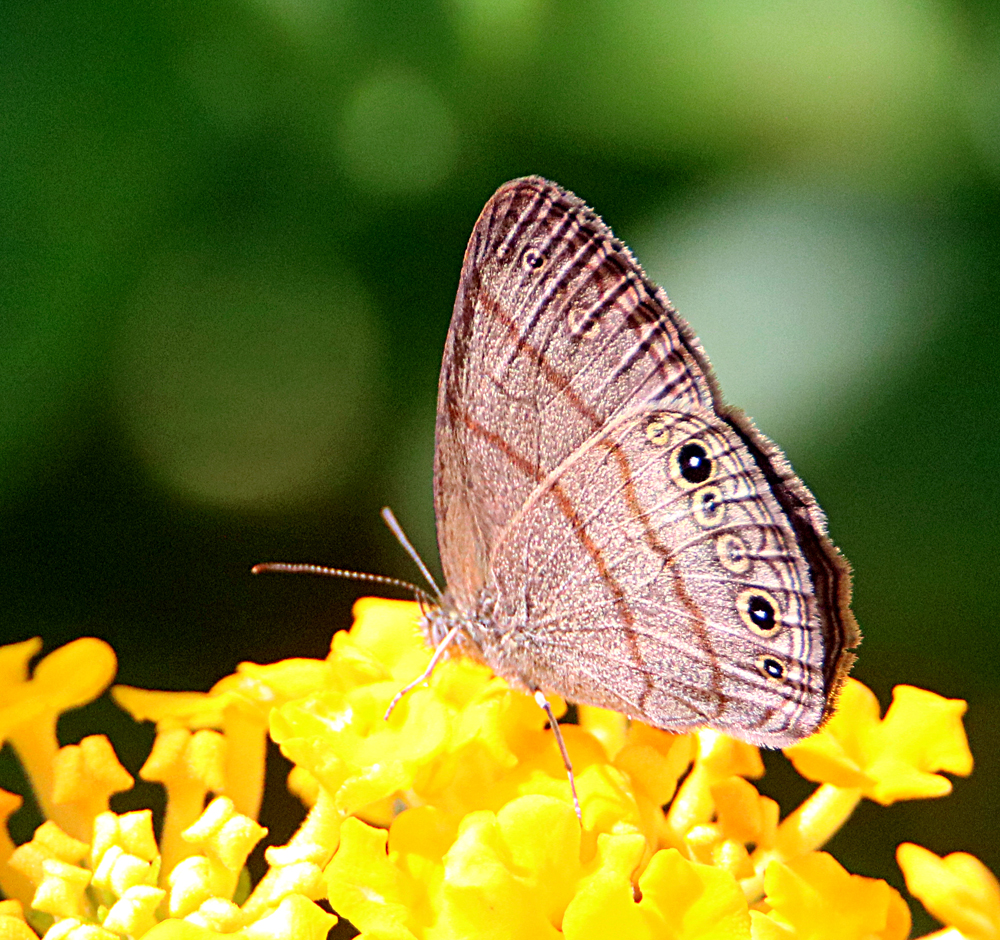
In the past two years this was seen more often than this year for some reason. It was frequently near the ground or on grasses and ground-cover, but this time in October mostly on my Lantana flowers. It is very small, about the size of my thumbnail when his wings are folded. See more of my photos in the GALLERY: Hermes Satyr. This species is almost identical to another one found in the U.S. called Carolina Satyr, which is what I first labeled these guys here, but all indications are that here in Central America they are called Hermes and considered a different species. Here’s two shots from my garden . . .
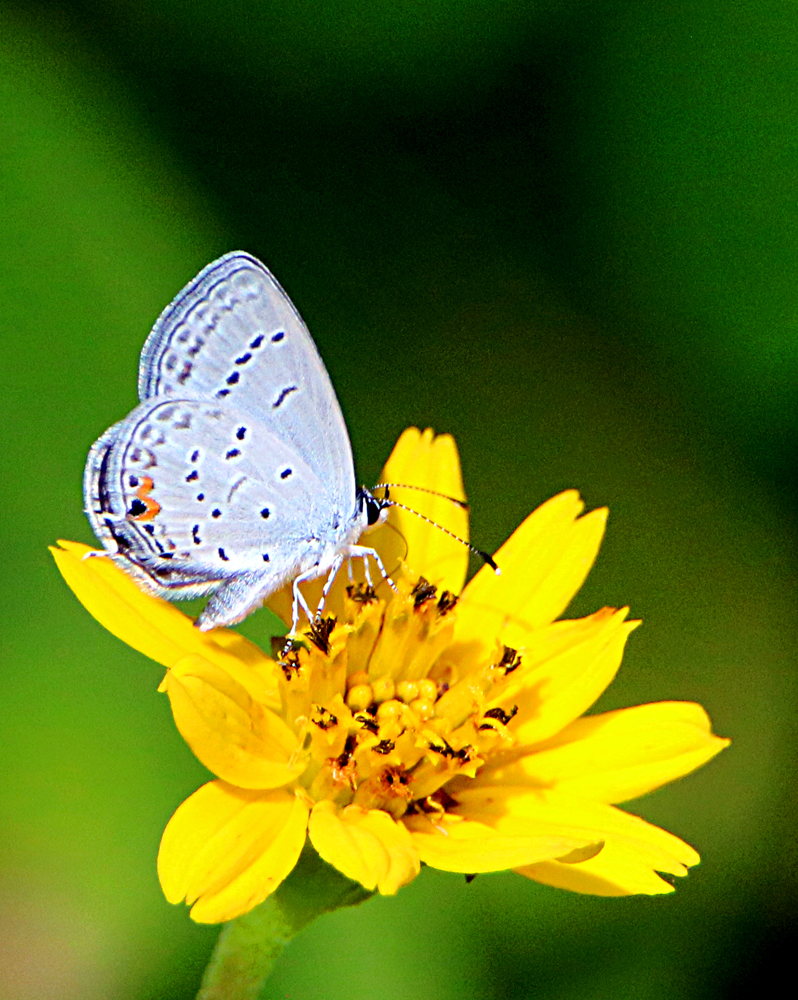
It looks bluer in person than in the photos and the male is solid blue on top of wings, while the female is solid brown on top. This one is my first “blue” this year, I think. I found him on the yellow ground-cover flowers on my side of the driveway slope, where I have to use my walking stick (trekking pole) and good sports sandals or hiking shoes to hold me on the very steep slope while photographing. 🙂 Some species only go to certain flowers when available, so maybe I will start checking these flowers more often. 🙂 We are entering the “fewer butterflies season” for my garden until it picks up again next April/May, though there are some butterflies year around, just like the birds! See more photos of this species in my GALLERY: Eastern Tailed-Blue (including some blue tops). You will find more of these in the Eastern half of the U.S. and Canada than here, but this “northern butterfly” does range as far south as Costa Rica. We get them from both North & South America! 🙂 Here’s two shots from an October sighting . . .

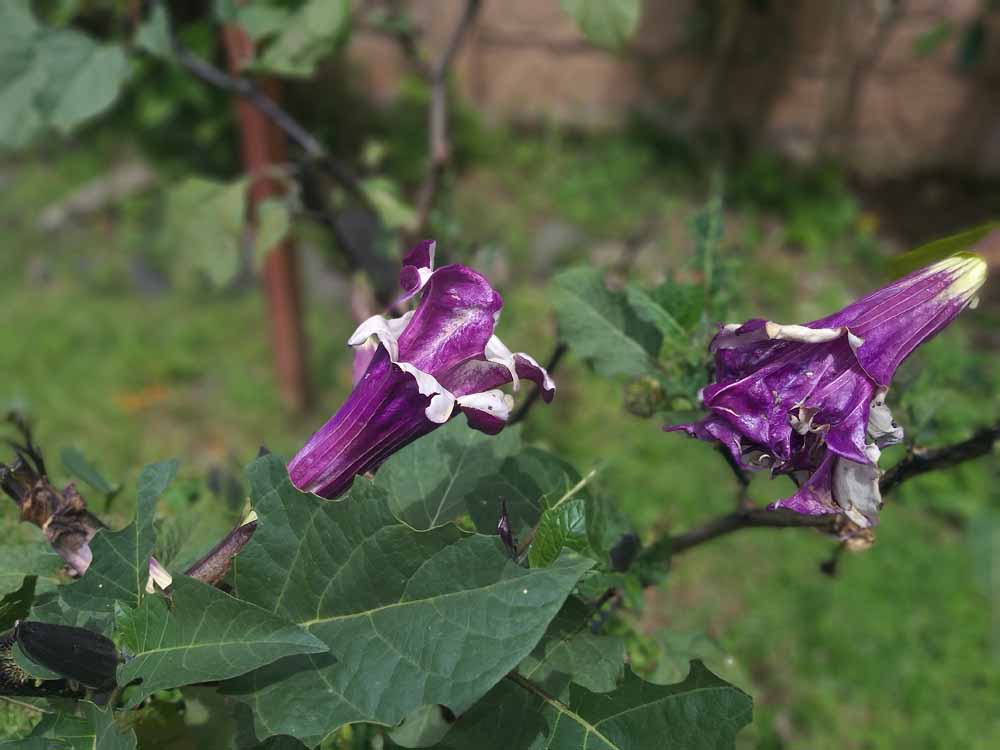
I found this on one of my walks to town and continue to be surprised with new and unusual species of flowers and just about everything else in nature! 🙂 Just two shots with different looks plus a shot of a “seed capsule” that I saw on the bush 2 weeks later, with the flowers gone . . .

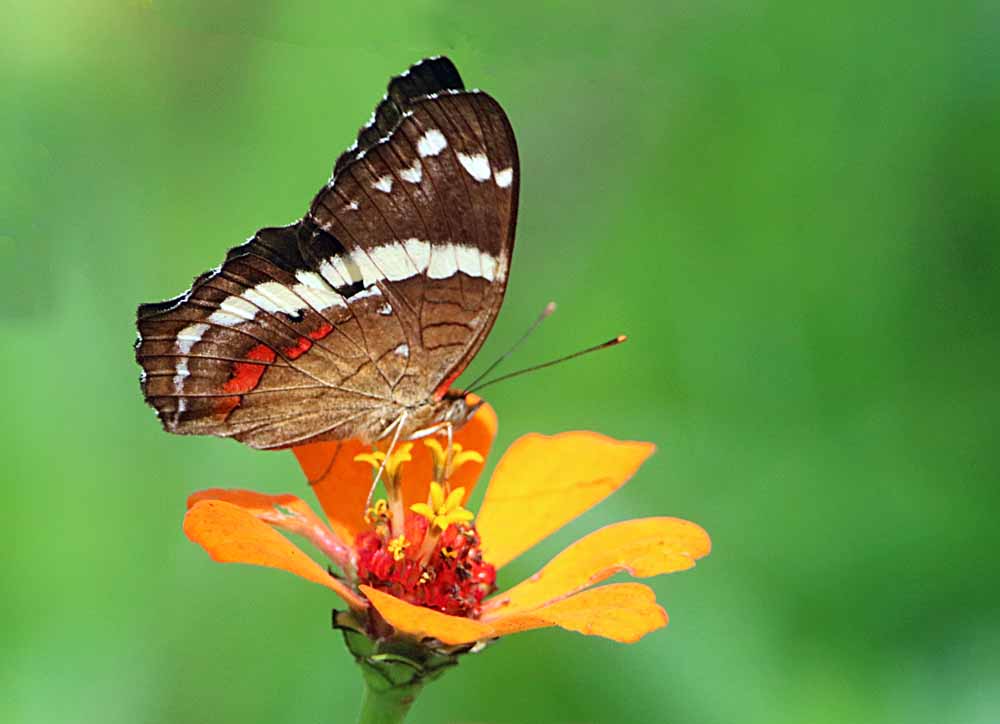
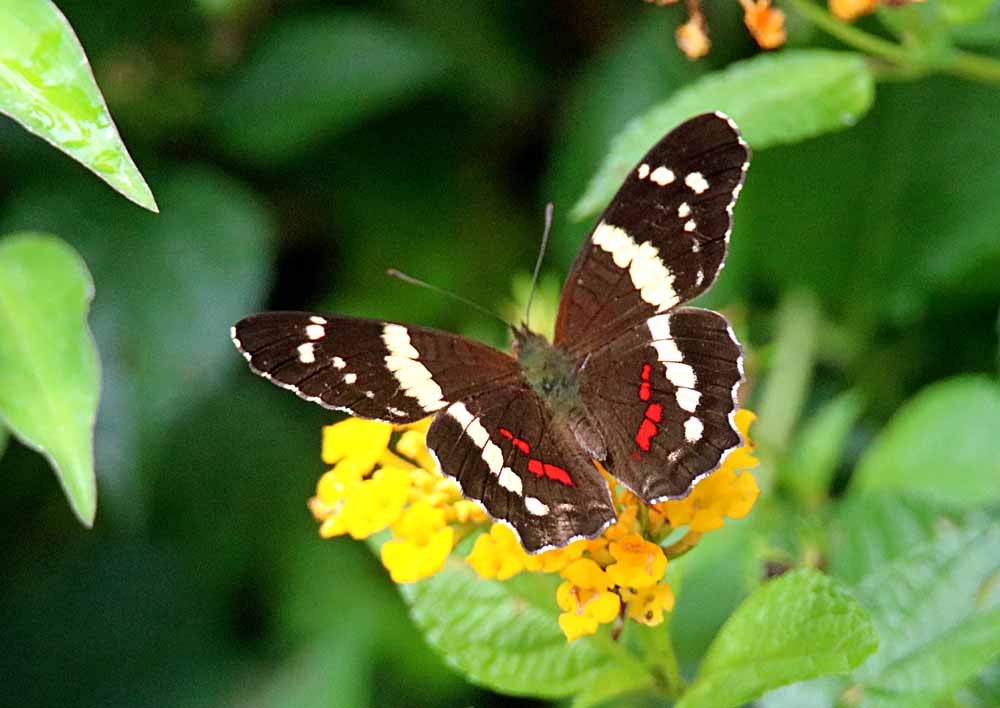
The most common butterfly in my garden this year and one of the most common every year since I’ve lived here now nearly 11 years. But still a fine and interesting butterfly as is his cousin the White Peacock. You can see some of my other photos in the gallery Banded Peacock, Anartia fatima.

My second sighting of this species and this time a female while the previous time was a male who is distinguished by a blue-green (turquoise) patch on the topside of his hind wings which you can see in my gallery from the previous sighting, also in my garden! 🙂 See different views of both of these interesting swallowtails in my gallery: Dyar’s Swallowtail – Battus ingenus. Finding unusual species and the differences in them is just one fun part of butterflying along with birding! And I now believe that Costa Rica is the best place in the world for both, with more species per acre than any other country in the world. Just one side-view photo here. Go to the gallery for top and other views of both male and female. And note that with my first sighting I thought it was a Crammer’s Swallowtail, but have corrected that since with the help of experts on both BAMONA and iNaturalist.
¡Pura Vida!
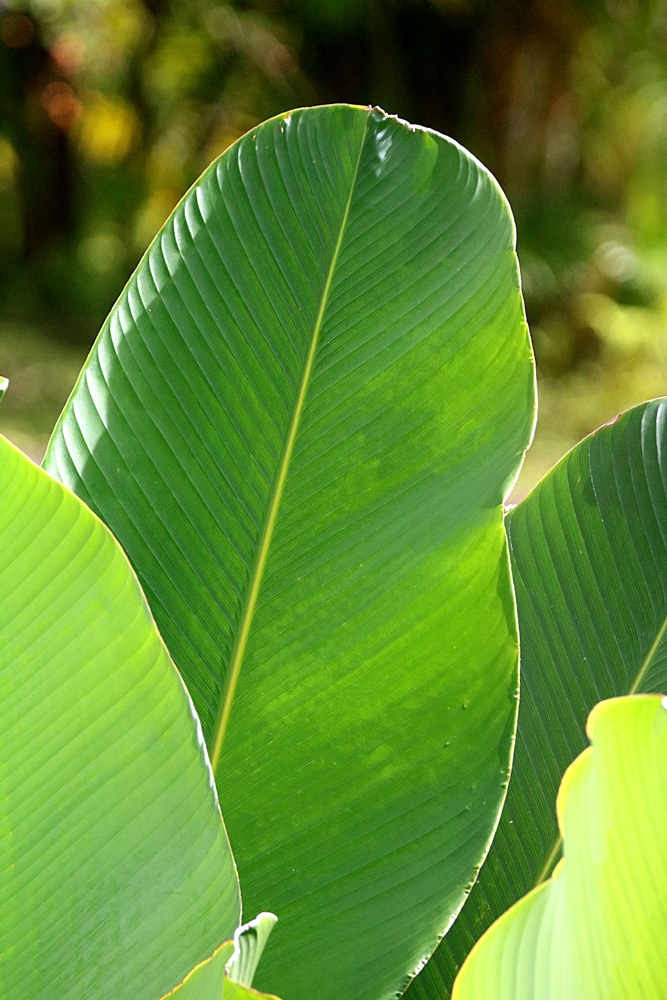
Pampano, Calathea lutea (iNaturalist link) is called Bijao in Spanish (common name) though my gardener calls it “Bijagua” which is name also used for a similar big-leaf plant that in English is called Rattlesnake Plant, with a flower like the rattles of a rattlesnake, while this plant has flowers sort of like cigars, giving it the English common names of Cigar Plant (my blog post in March showing the “cigar” flower) or Cigar Calathea. Back then the wind had shredded these big beautiful leaves which look nicer now. These leaves are used by some restaurants to wrap food or serve food on.