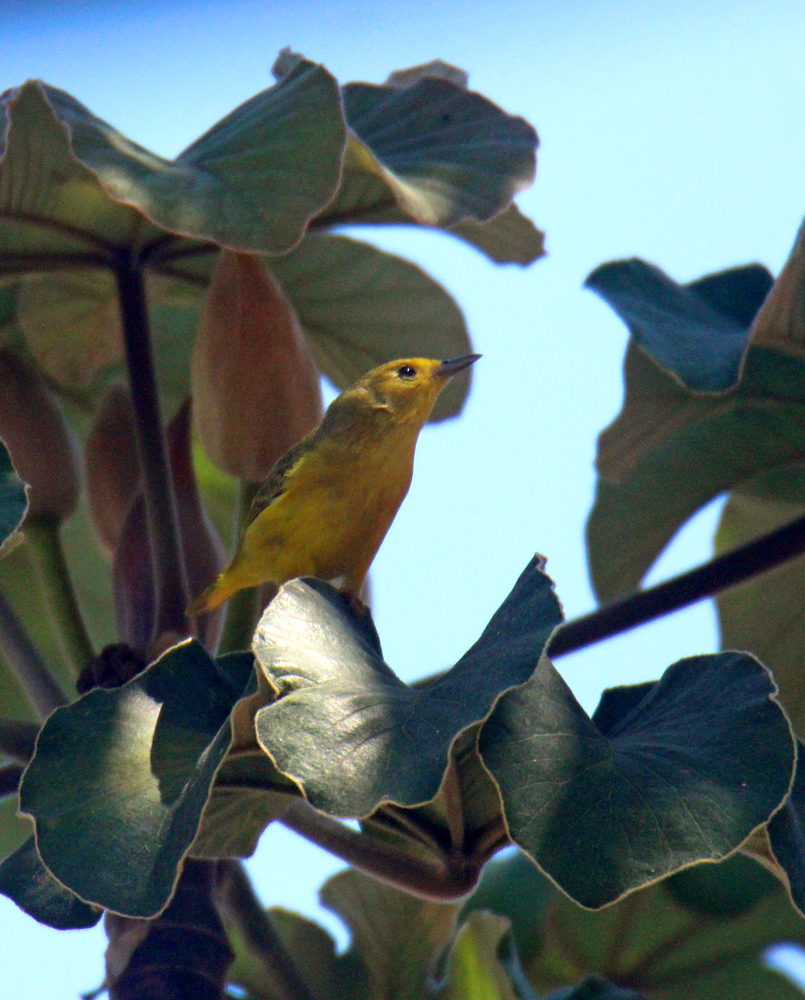
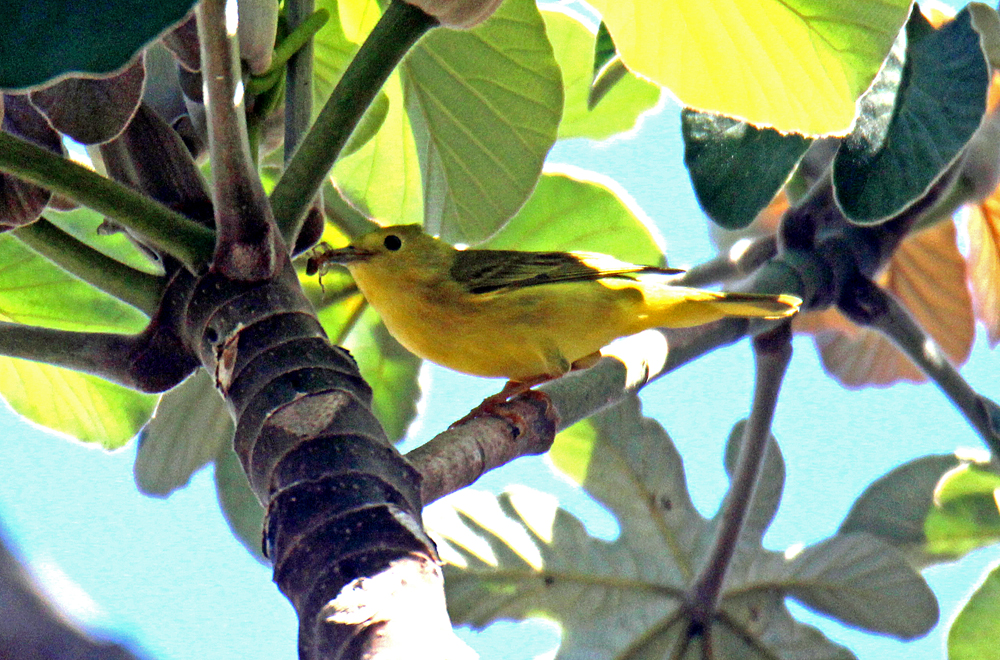
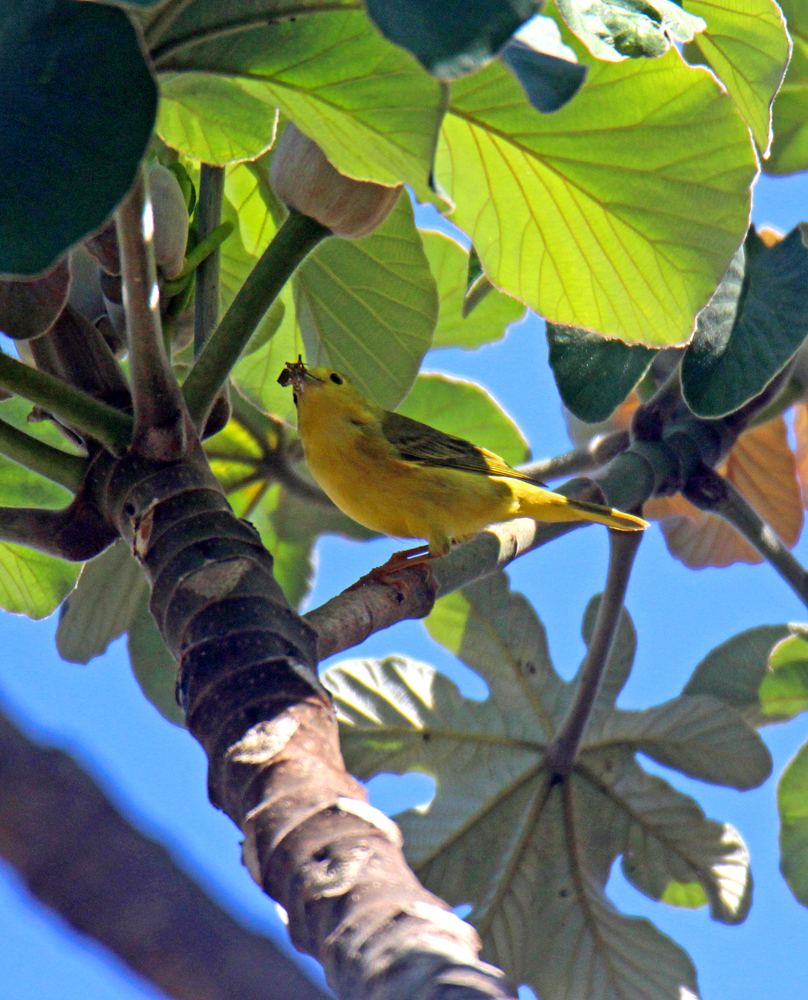
During breakfast this morning I got 7 species of birds from my terrace, but because I was eating, I photographed only one, just at the end of my time looking – The Yellow Warbler, both a migrant from the north and a resident sometimes, meaning I don’t know how to tell if this particular one is a migrant or a resident enjoying an insect for breakfast! 🙂
Yellow Warbler, Atenas, Costa Rica
And the other 6 birds I saw were Great Kiskadee, Turkey Vulture, one of the Swallow species (unidentified), Tropical Kingbird, and Clay-colored Thrush or Yiqüirro.
I hope you are counting birds in your backyard this weekend and reporting to eBird!
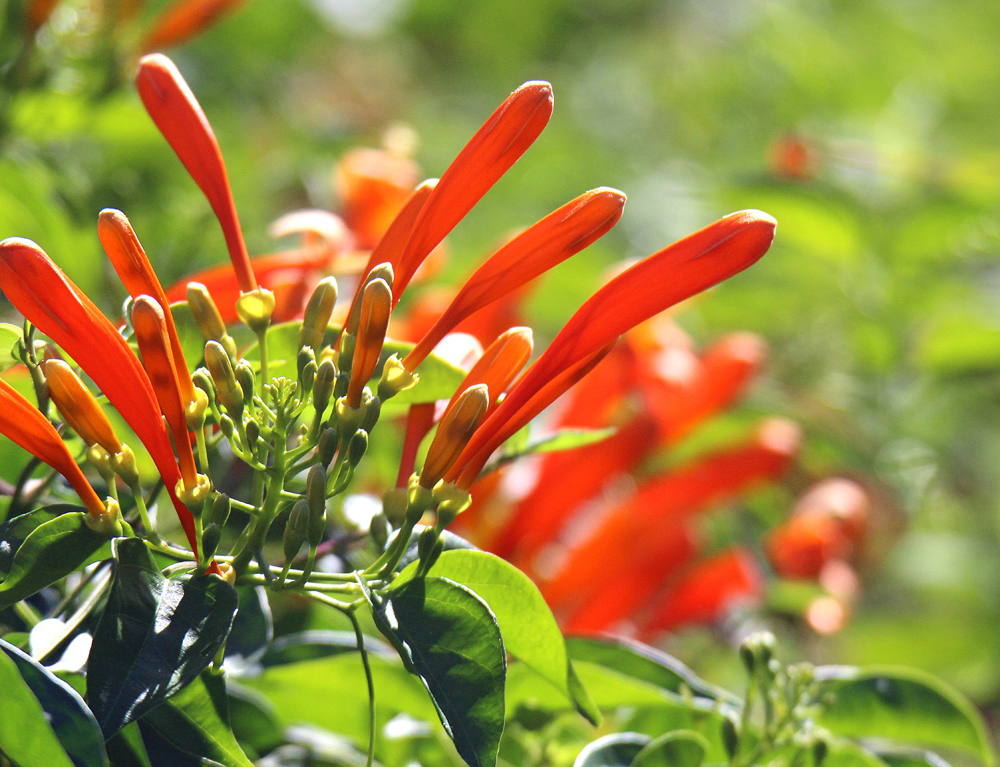
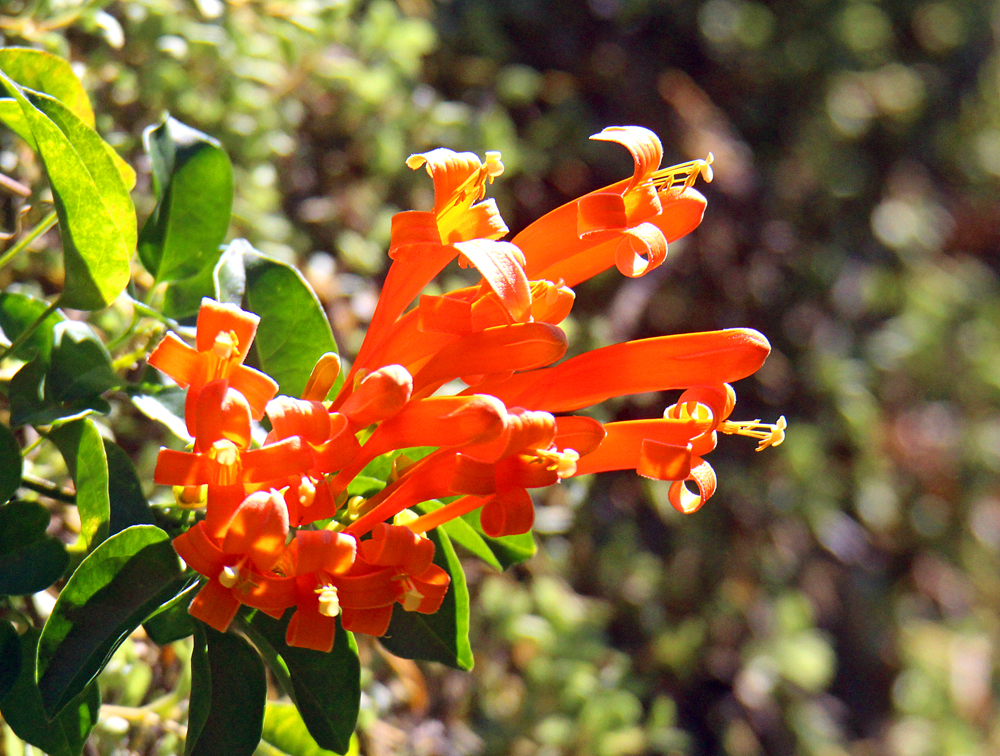
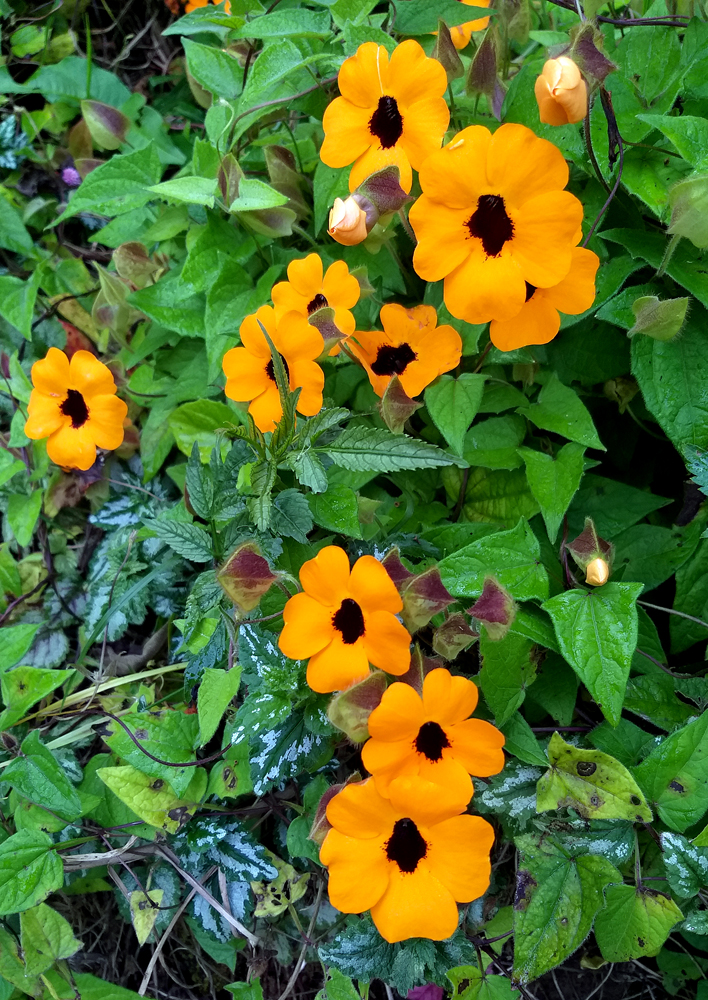
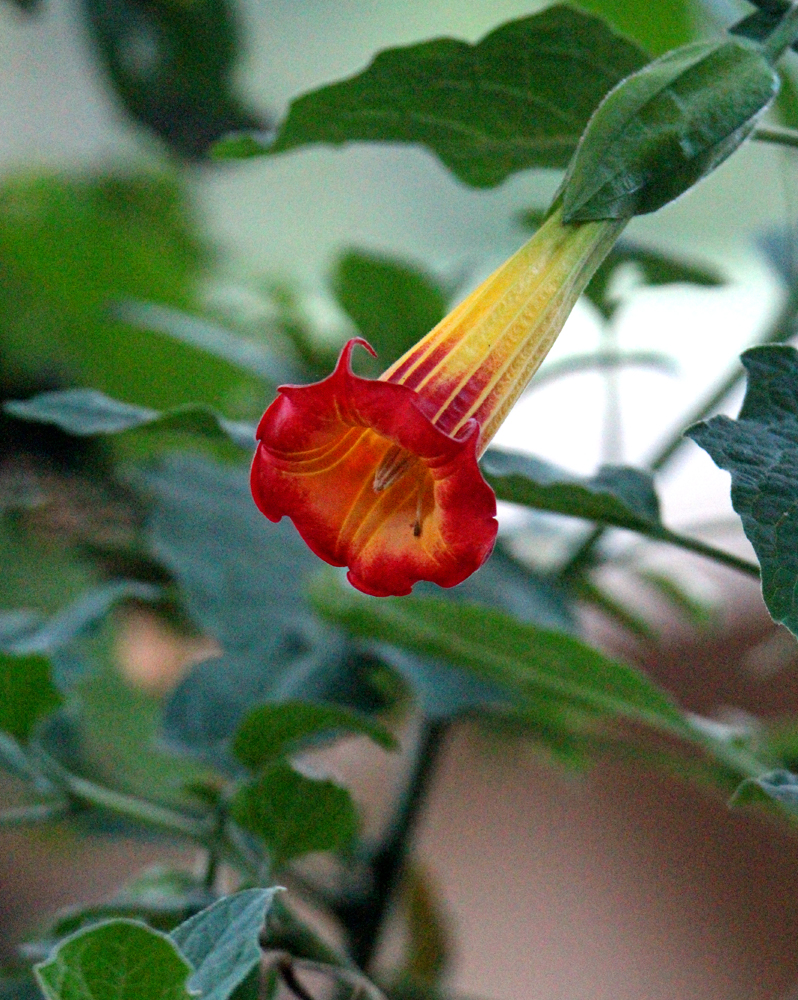
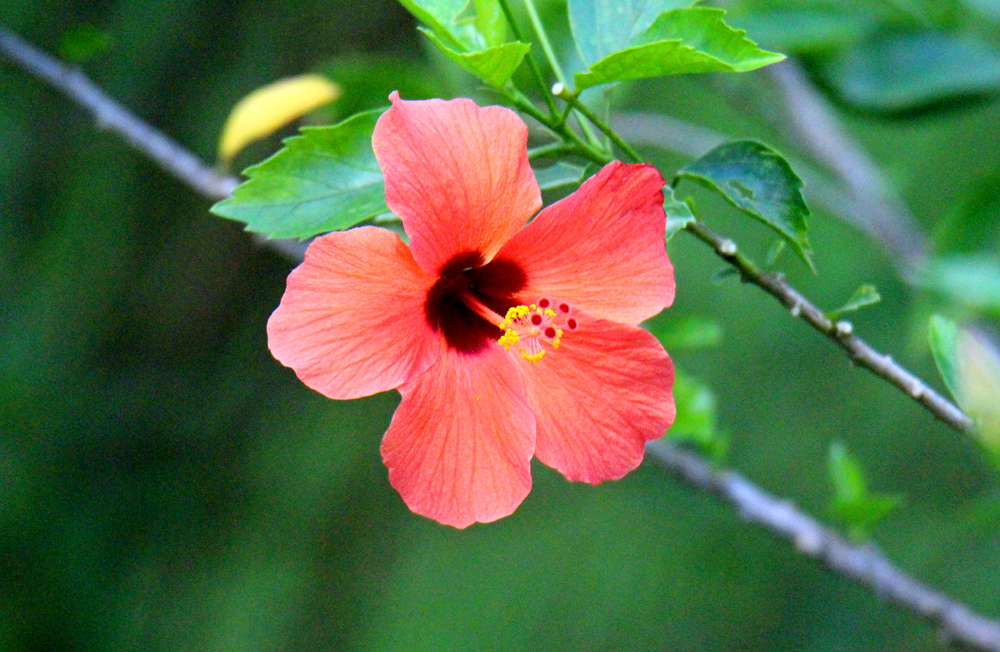
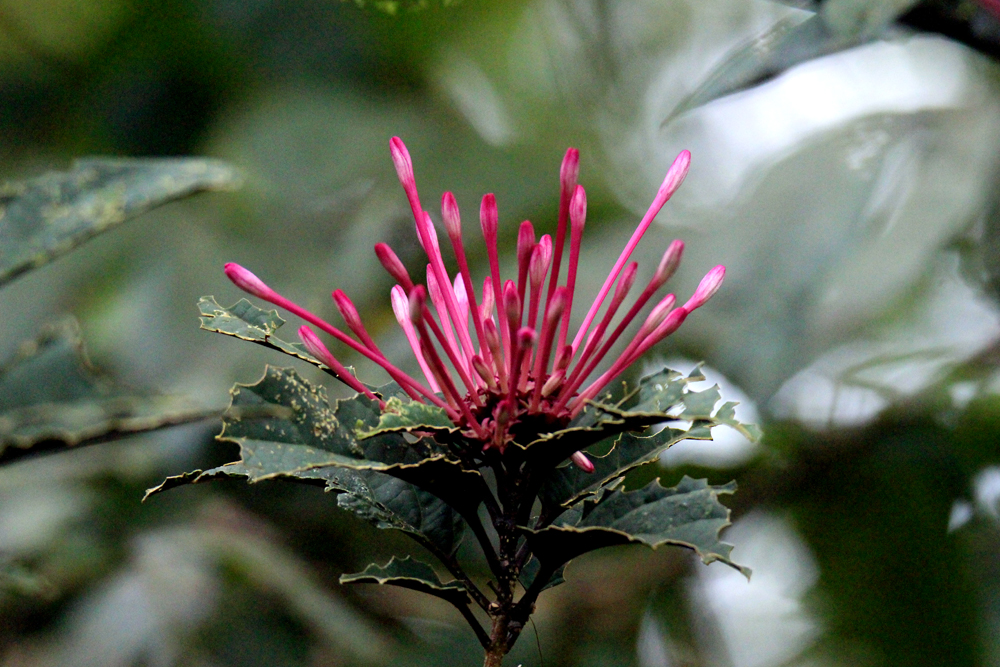
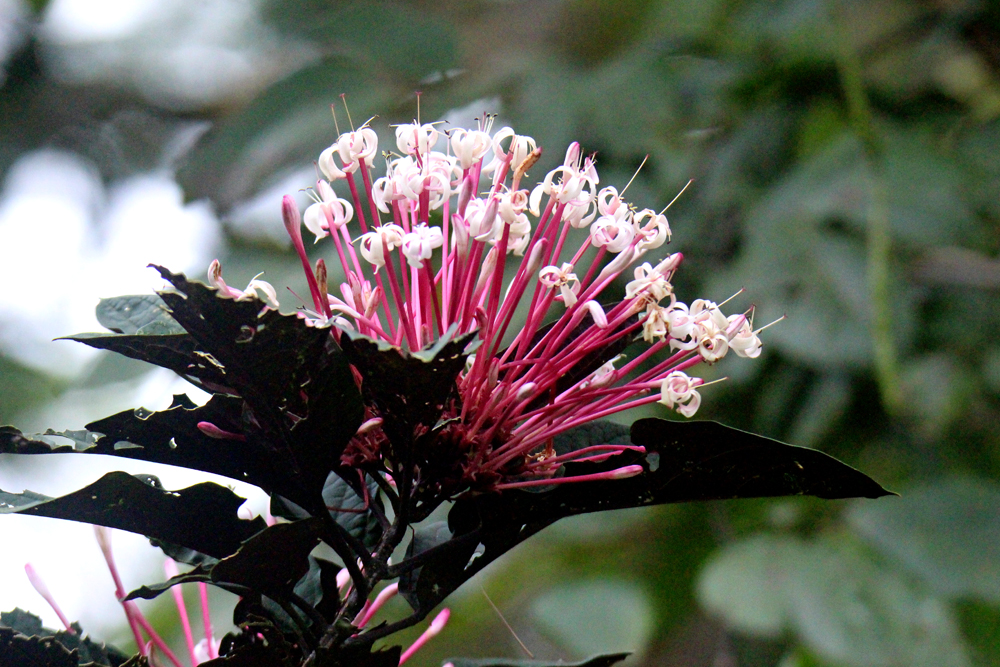
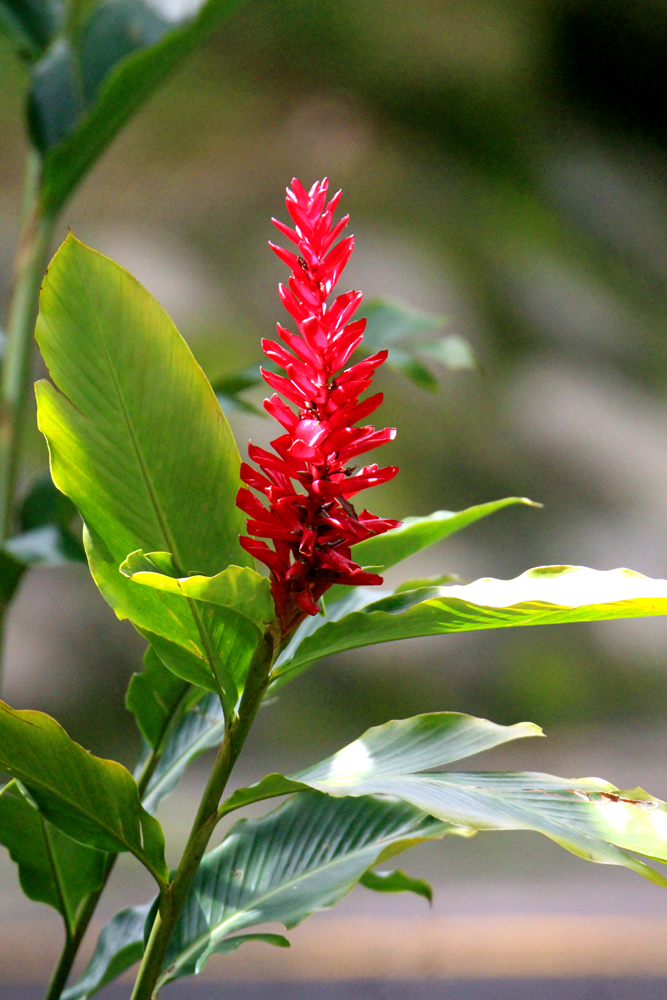
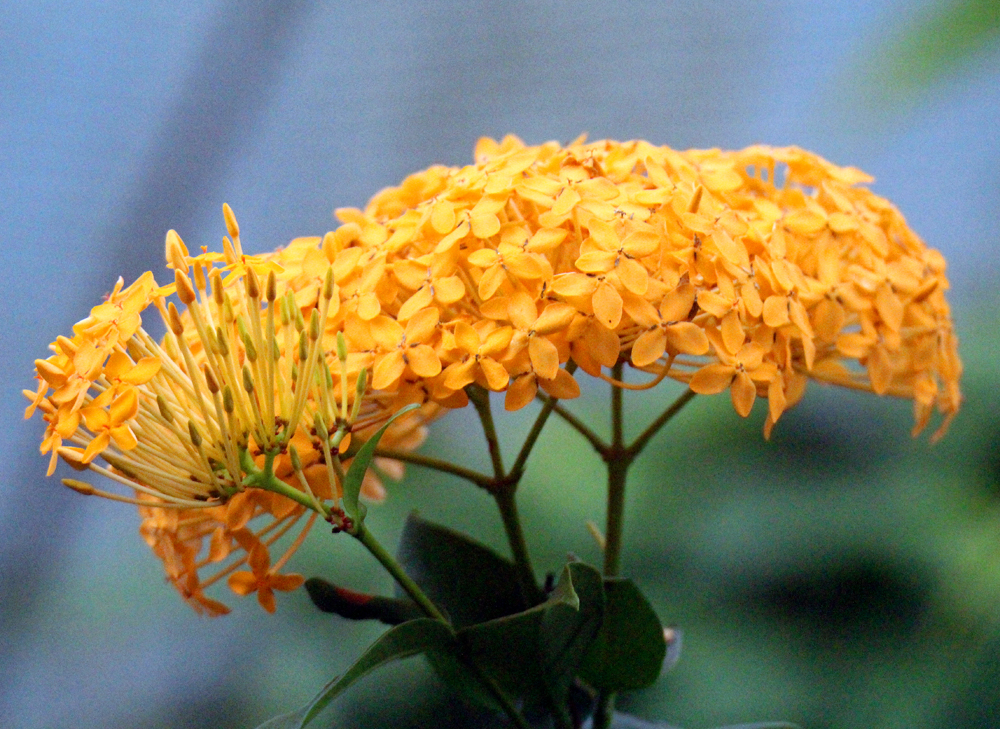
Also called in Spanish: Tango, chiltote, chorro de oro, and San Carlos.
In English, most commonly called the Flame Vine
Translation of Triquitraque = Clatter
As in the clatter of a train going down the track
As in a string of firecrackers popping
As in jumping jack
OR
The first definition of triquitraque in the dictionary of the real academy of the Spanish language is noise as of repeated and disordered blows. Another meaning of triquitraque in the dictionary is those same hits.
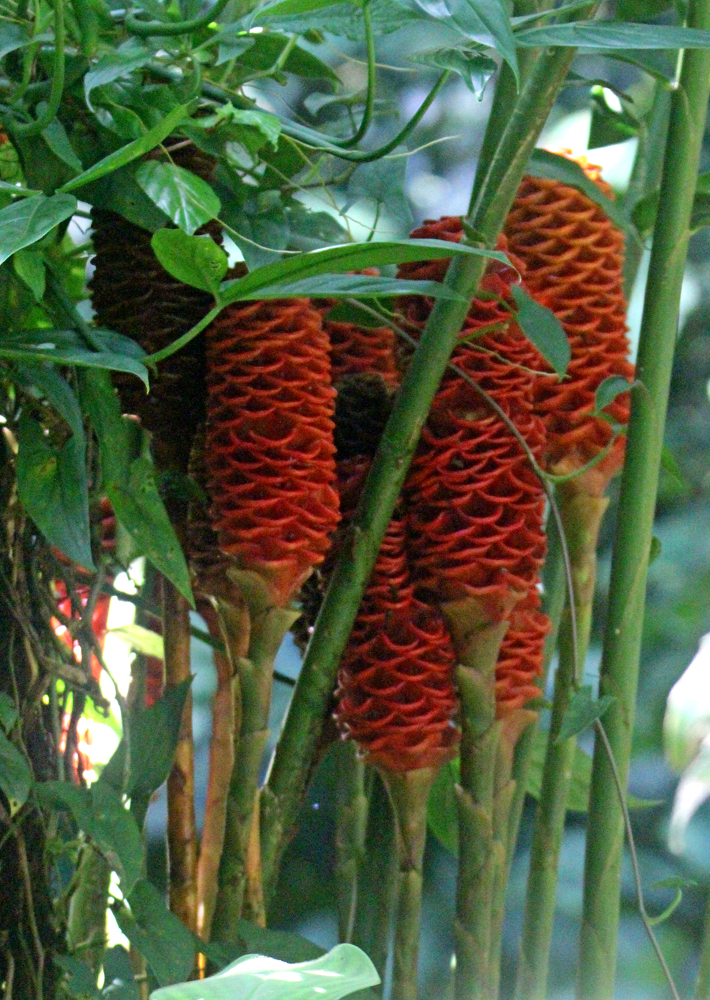
So why is this flower called Triquitraque?
I wish someone would tell me! Maybe the scattered bright flowers along a vine reminds someone of a string of firecrackers exploding? Or a visual clatter? Please comment if you know! 🙂
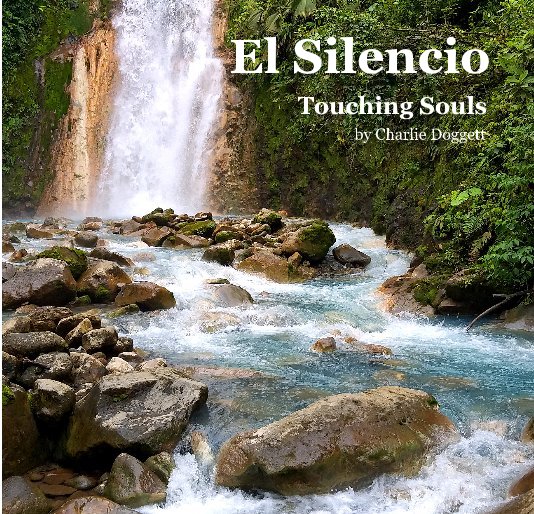
One of my new favorite lodges in Costa Rica is El Silencio Lodge at Bajos del Toro in my own province of Alajuela, north of San Ramon in the cloud forest mountains where there are many waterfalls. I was there last September and as I frequently do, I made a little 7X7 inch photo book about my experiences there, sending them a copy plus one each of my general birds and butterflies books for their other guests to enjoy. When the owner came down from San Jose and saw the books he was so impressed that he told the staff to offer me two free nights in this luxury lodge.
Well, of course I accepted the offer and will add-on two more nights at my cost for a great 5-day visit the middle of February! 🙂 If you want to see a free electronic preview of the book online, click the title here:El Silencio, Touching Souls, inspired by a quote from Mother Teresa:
We need to find God, and he cannot be found in noise and restlessness. God is the friend of silence. See how nature – trees, flowers, grass- grows in silence; see the stars, the moon and the sun, how they move in silence… We need silence to be able to touch souls.
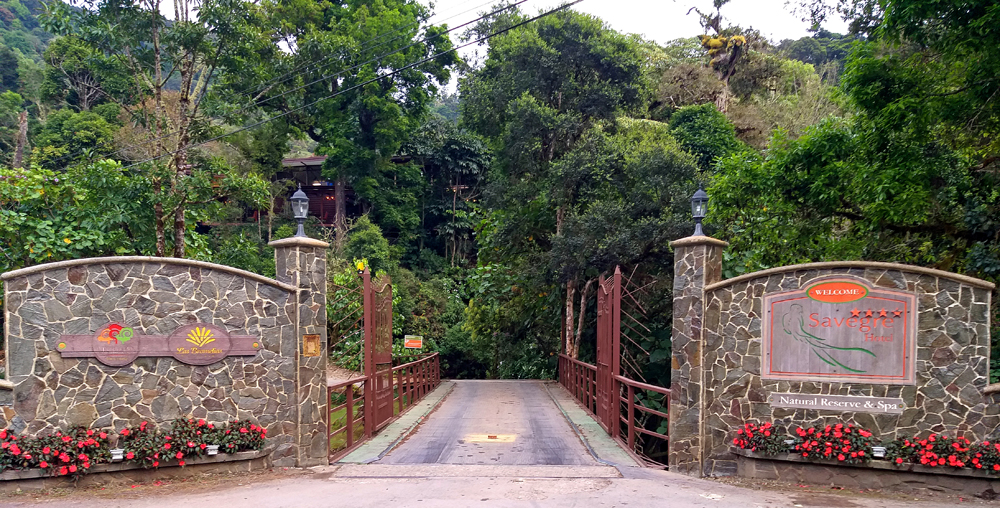
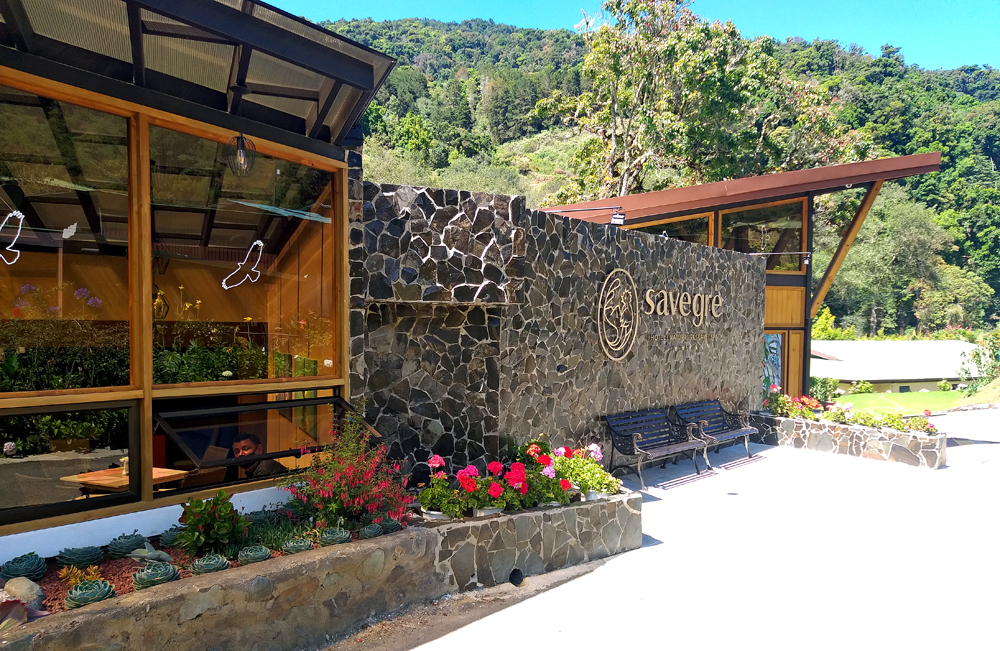
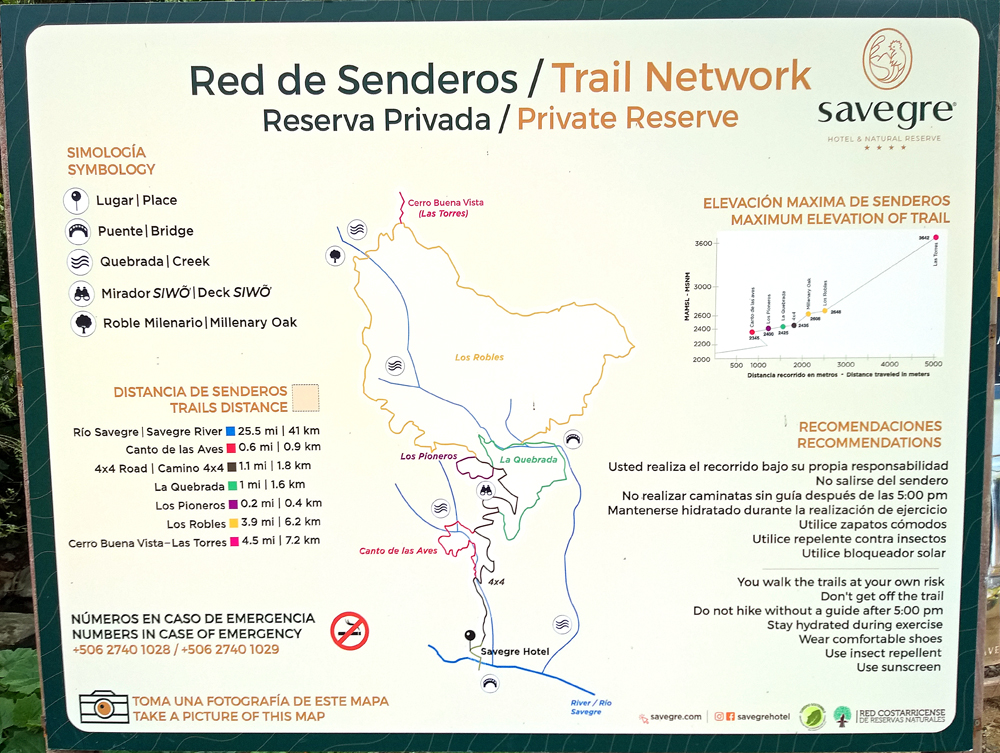
Hotel Savegre is a much different hotel than I remember it from my 2009 visit when it was a long row of rooms like an old-fashion motel stuck in the forest with a separate building for the office and restaurant. Then there were gardens in front with lots of hummingbird feeders and a few little trails into the forest. Today, no feeders! Just natural flowers and other plants to attract the birds.
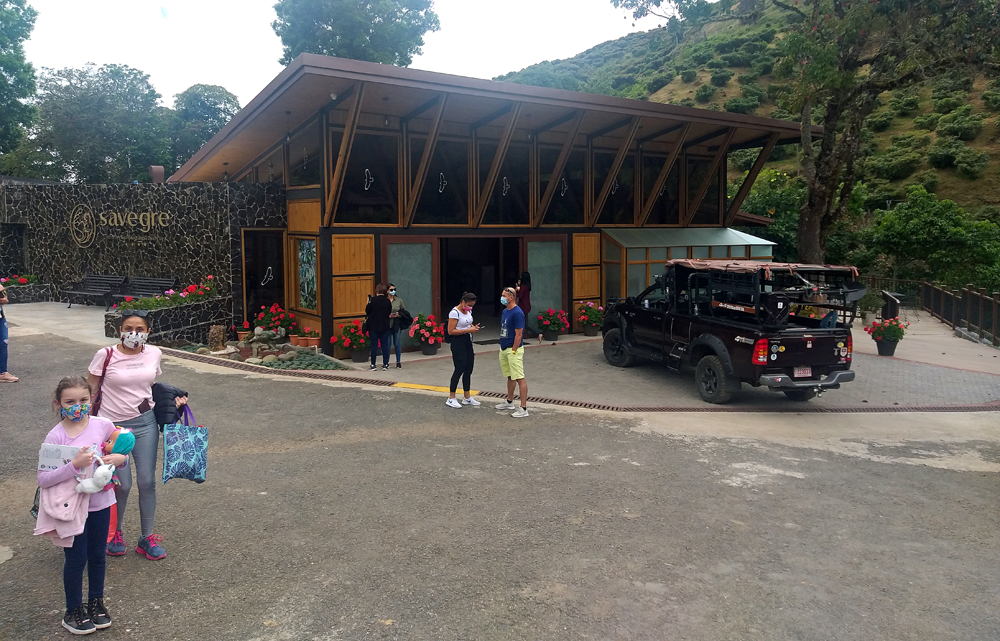
Restaurant on the left and lobby-office on the right.
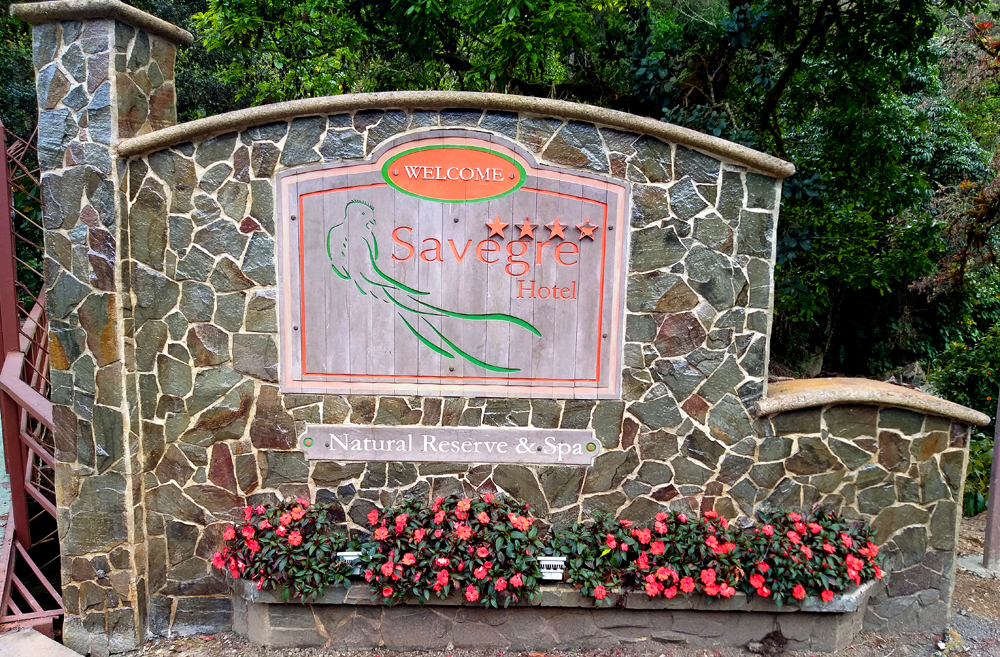
Today it is a new, modern, 4-star hotel that I still think should be called a “mountain lodge,” but that was not the vision of these first pioneers in this little mountain resort community. And one of their adult sons was my birding guide this time! It is the largest Hotel-Spa-Nature Reserve in San Gerardo de Dota and is a big attraction to both tourists and Ticos from the cities wanting to get away. In fact, the weekend part of my time there on this trip was totally booked, every room! And I estimate at least 80% local Costa Ricans, called Ticos here.
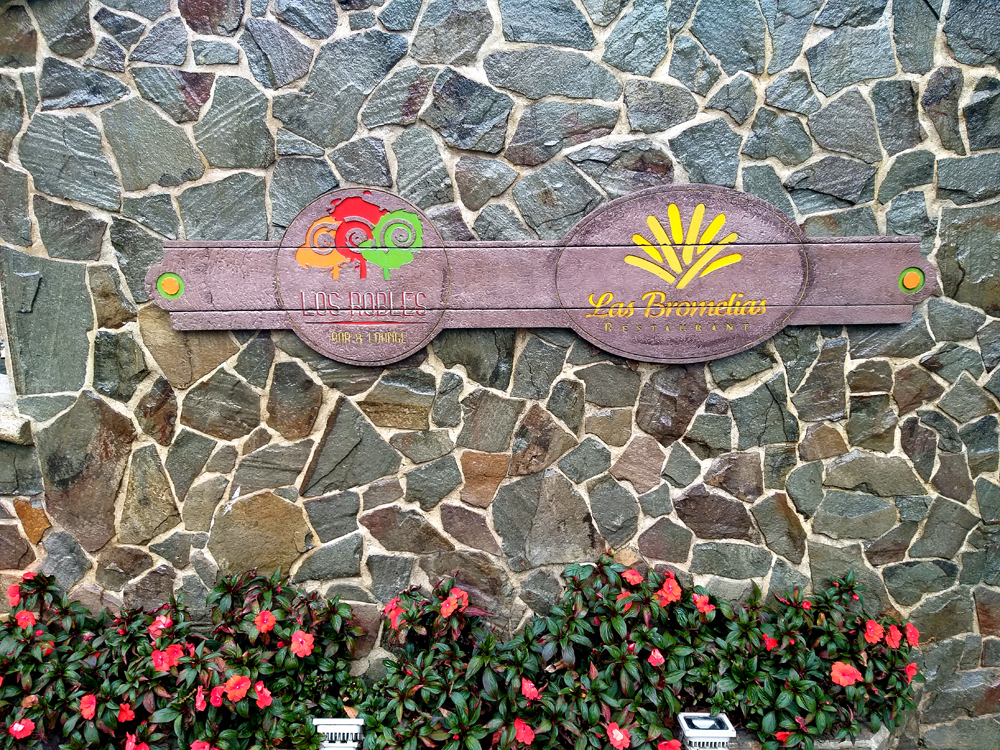
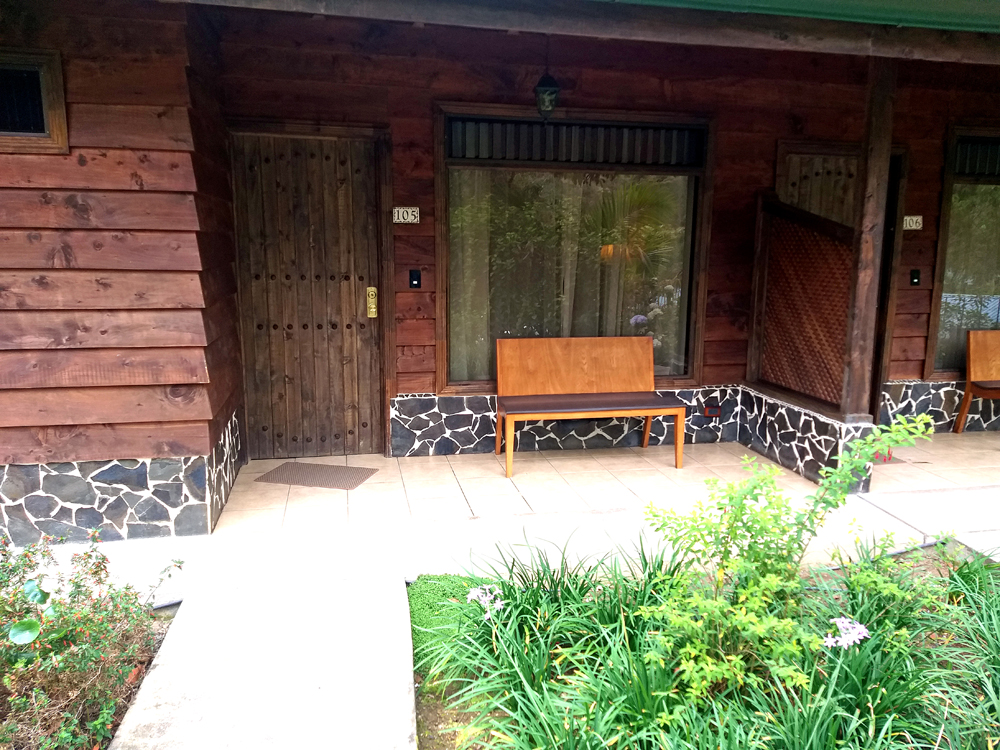
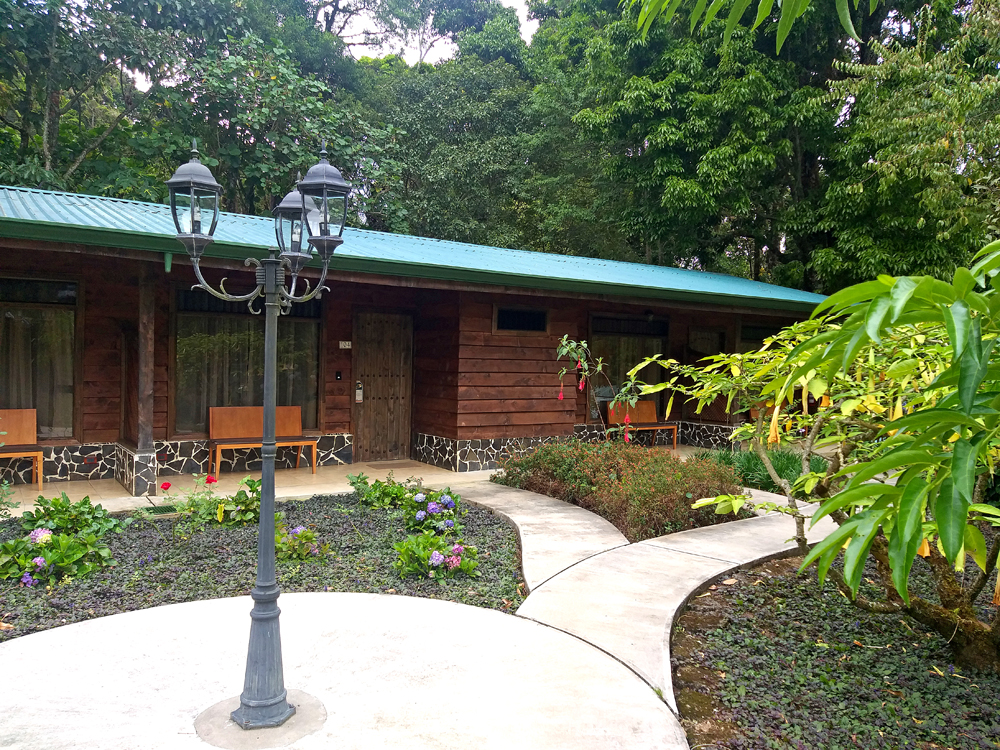
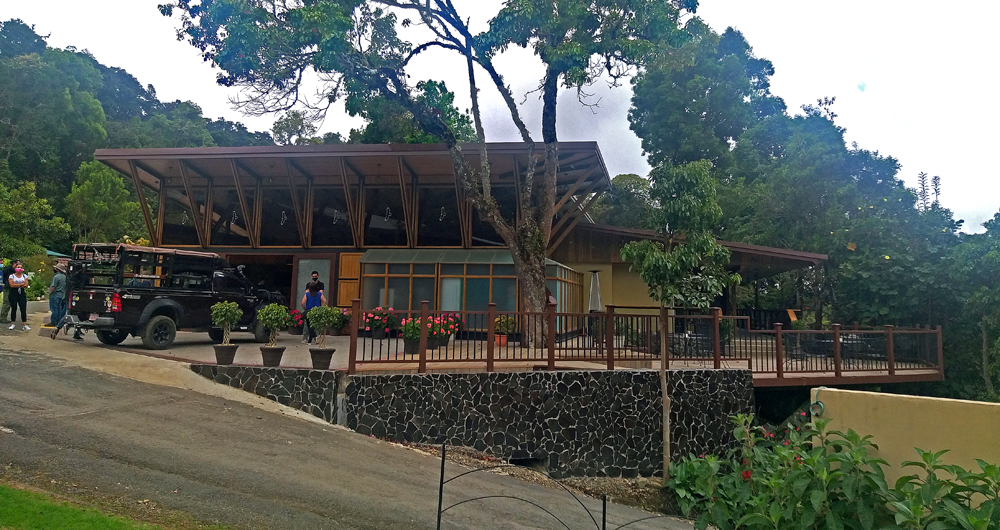
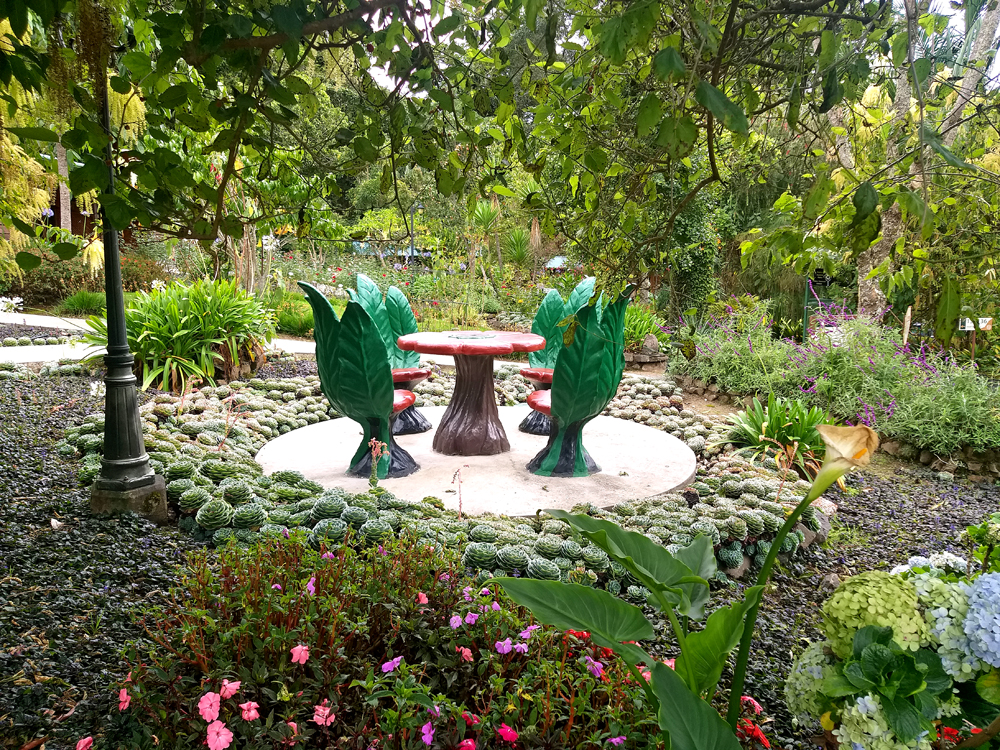
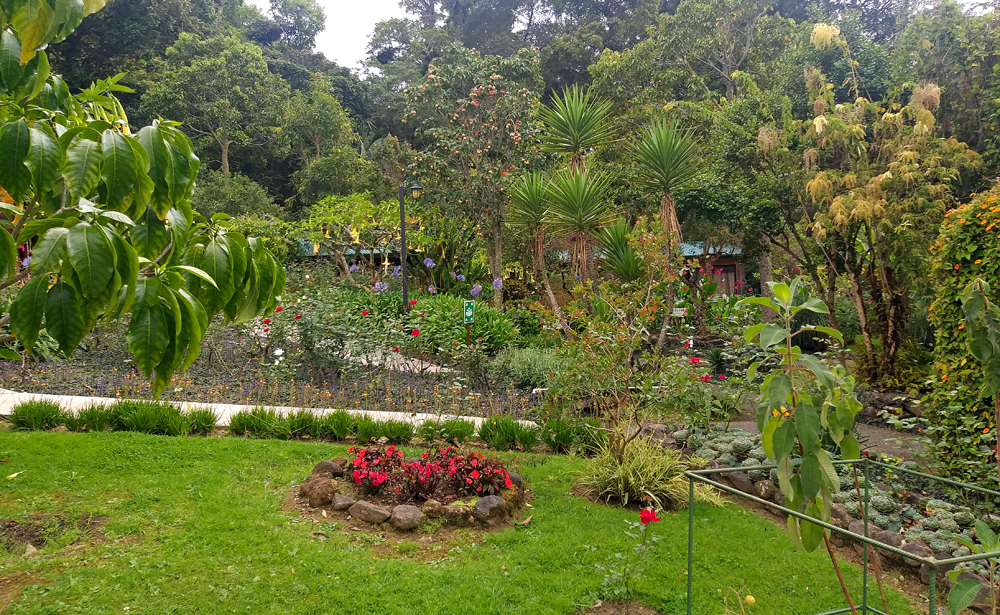
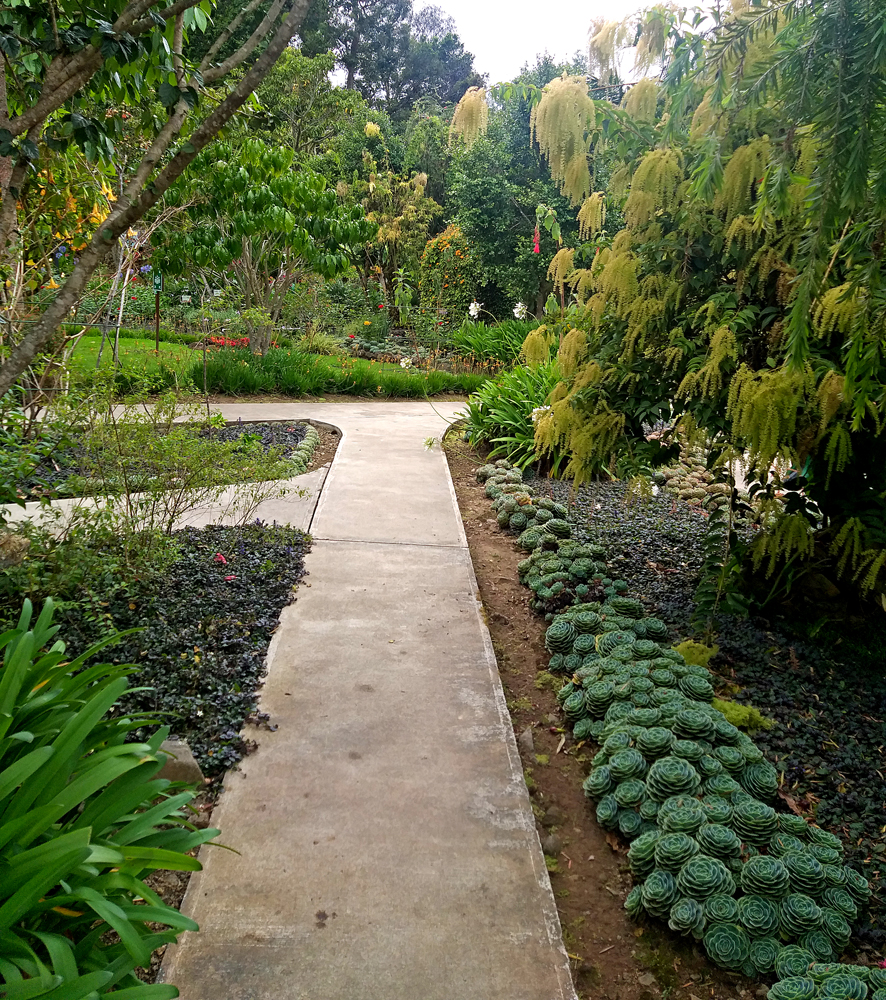
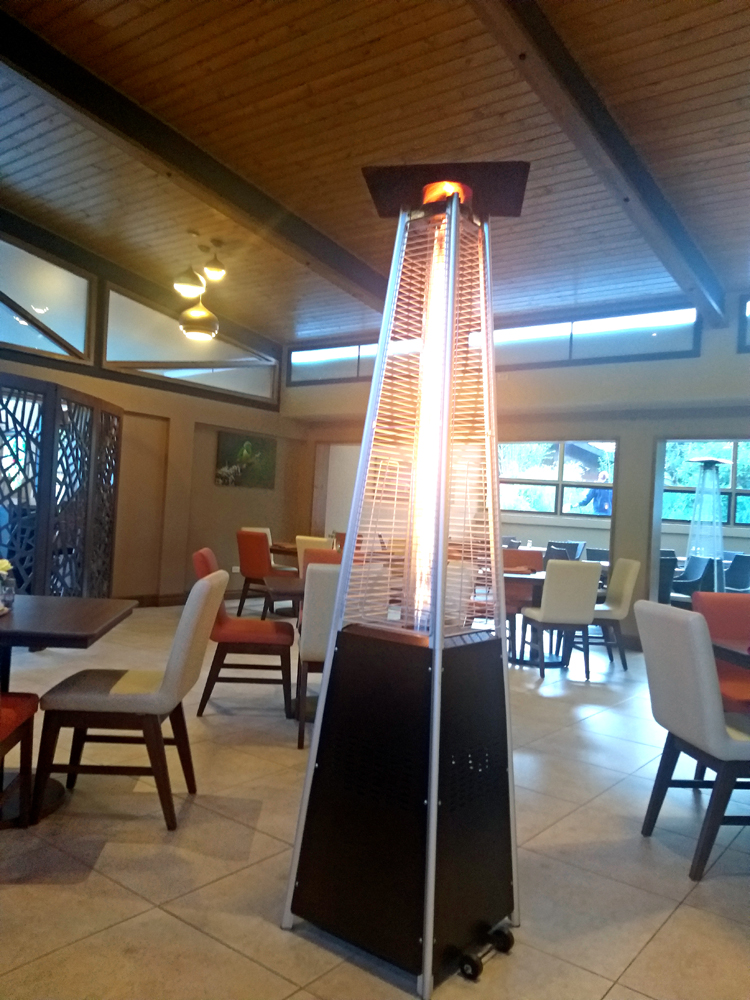
Below is a gallery of what shots I got of the hotel. The rooms are now in groups of 2 to 4 around gardens with at least one garden table and chairs for each 2 or 4 rooms. It is rustic-modern, very comfortable, with a heater in every room, that is needed, especially at night! And Wifi in each room that was not working in my room, so I just used the public areas for Wifi. And a modern fireplace in every section of the restaurant which I guess burns something like butane? The food is as good as I’ve had anywhere, not exactly “gourmet” which would sound pretentious (not them), but is just high-quality food, very well-prepared with a large assortment of choices.
Here’s a few of my photos of the facilities you can CLICK to enlarge somewhat or for the full-sized images go to my The Hotel Gallery in the bigger Trip Gallery which is now completed:
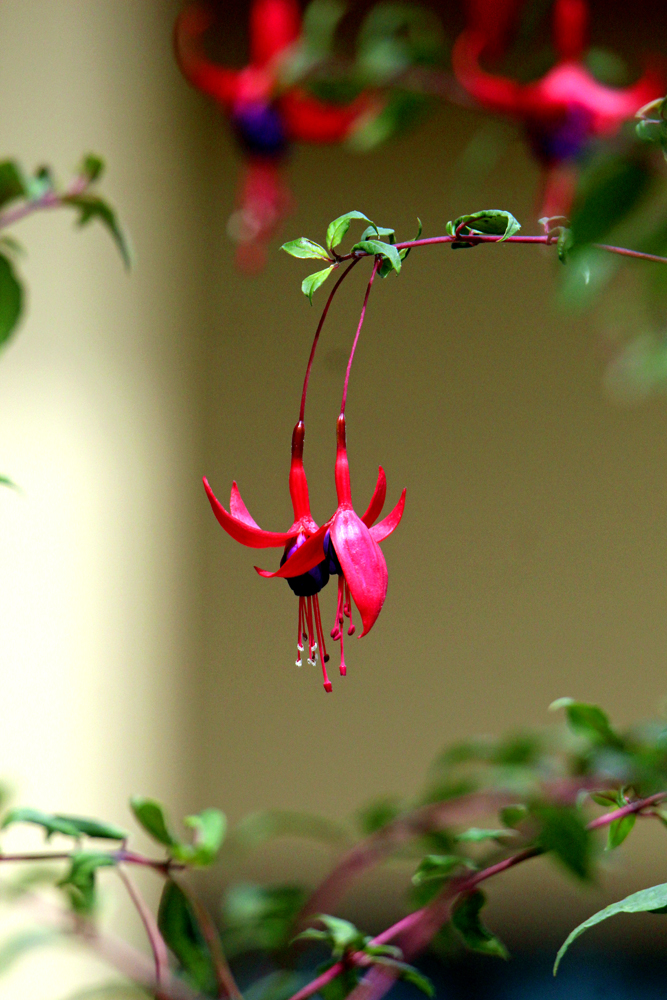
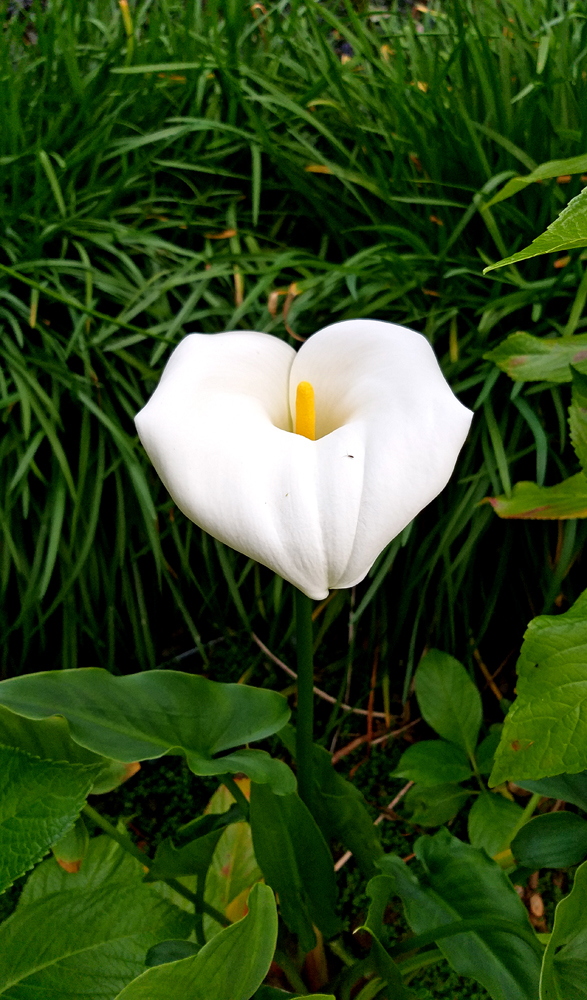
I’m only sharing 8 of the 39 unique mountain flowers in my gallery for this trip, so if you like flowers be sure to follow the link to my Hotel Savegre Flowers Gallery. And here’s a sample:
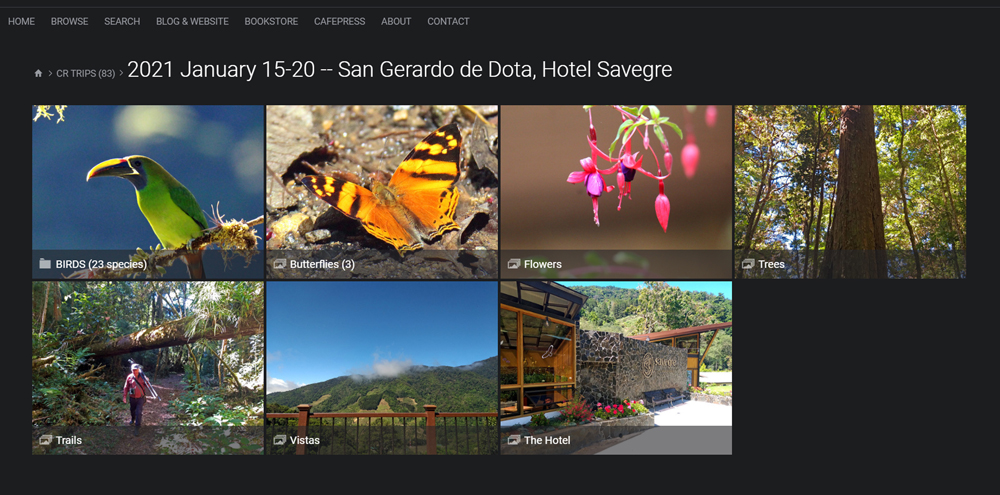
Though I still have posts coming through Tuesday, February 2, the photos have all been processed and collected in on of my “Trip Galleries” to see all of the photos in one place called 2021 San Gerardo de Dota Hotel Savegre. Click the linked title or the gallery image below to see.
Photo Galleries for January 2021 Visit to Hotel Savegre, San Gerardo de Dota, Costa Rica.
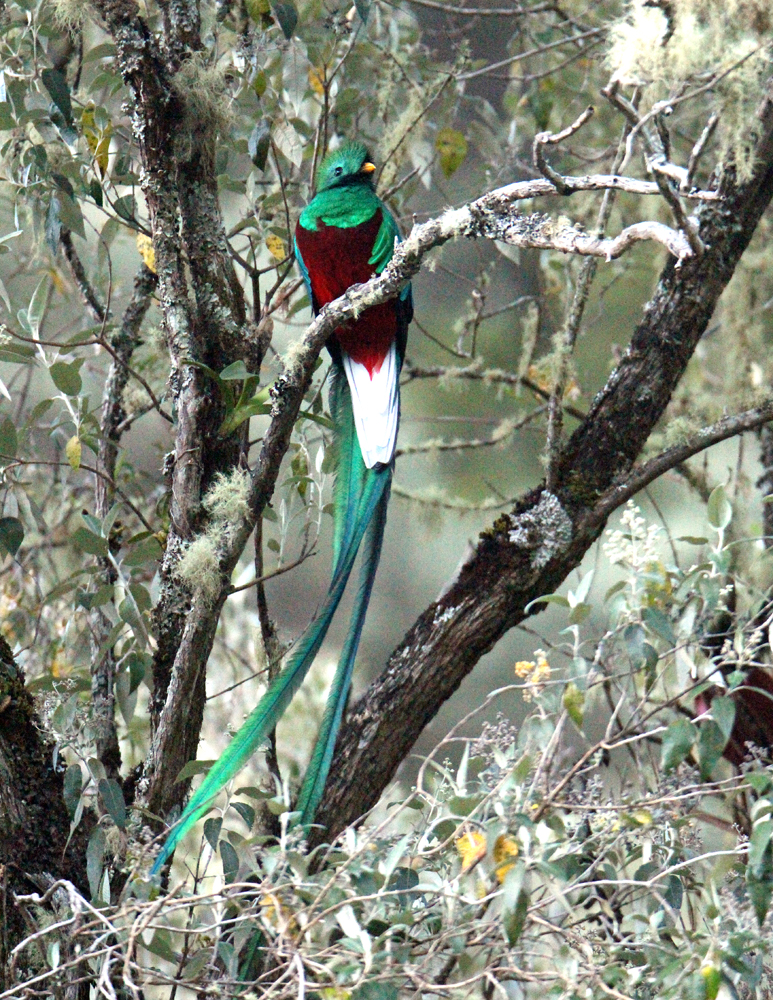
Male Quetzal, San Gerardo de Dota, Costa Rica — One of the many images in this gallery.
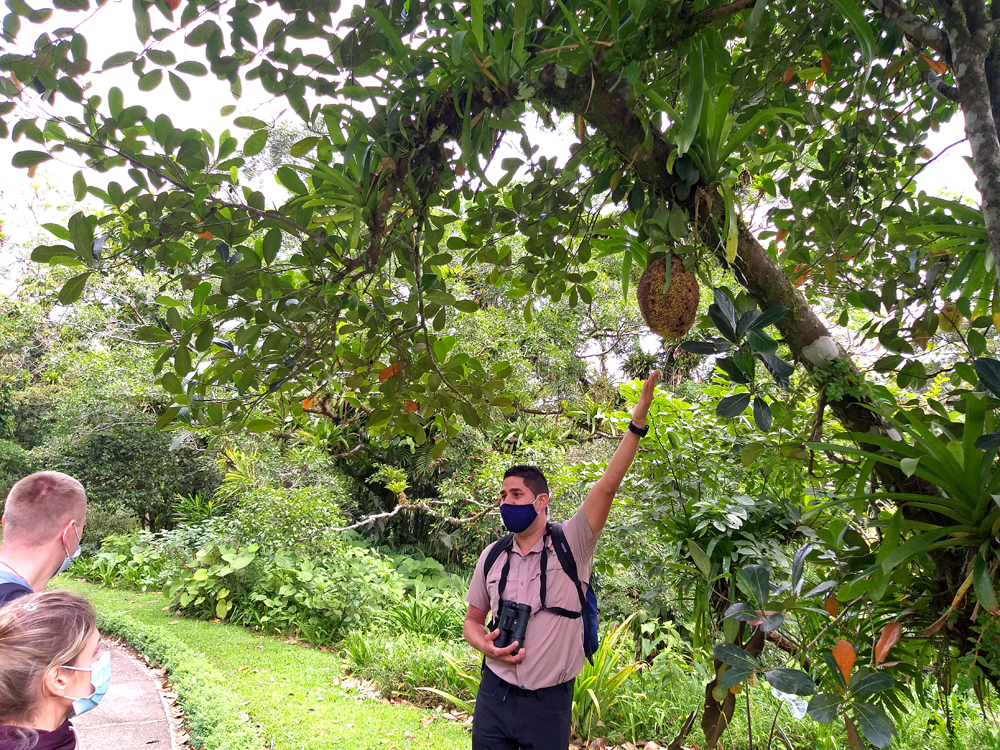
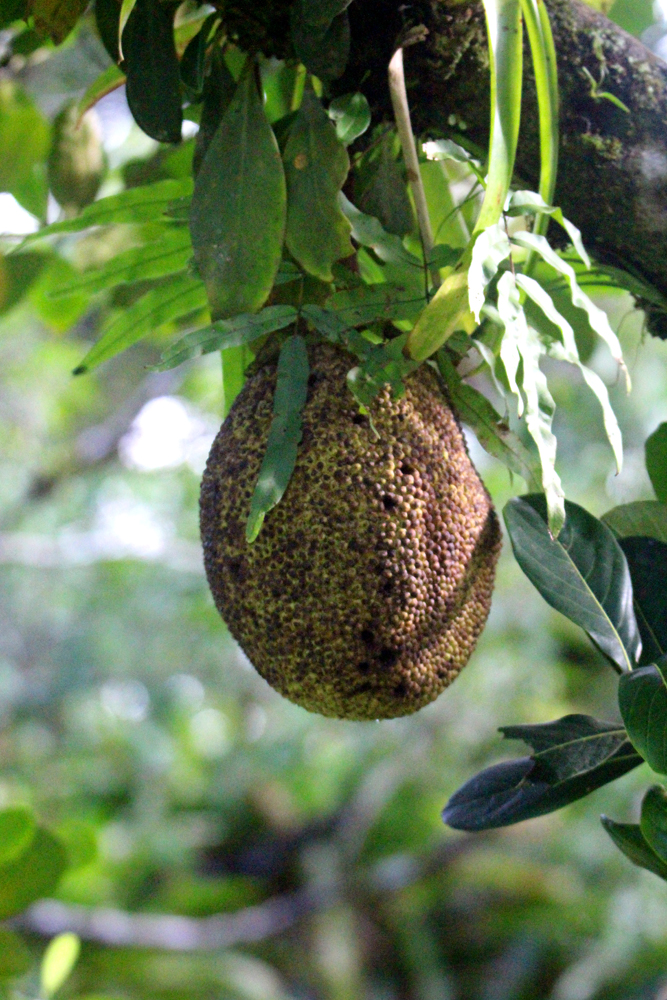
I enjoy photographing all of nature so much that it is difficult to stop or reduce the number of photos I share on this blog and I know that fewer can be better and simpler but here I go again, with only one more blog post on Arenal tomorrow, then I will begin another photo adventure – so get ready for more but different nature! 🙂 And the above feature photo is the morning walk guide explaining the Breadfruit Tree with a close-up of a breadfruit in “Other Nature Shots” below. And yes, it is edible, mostly by monkeys but some humans cook it and use with other more tasty foods. 🙂
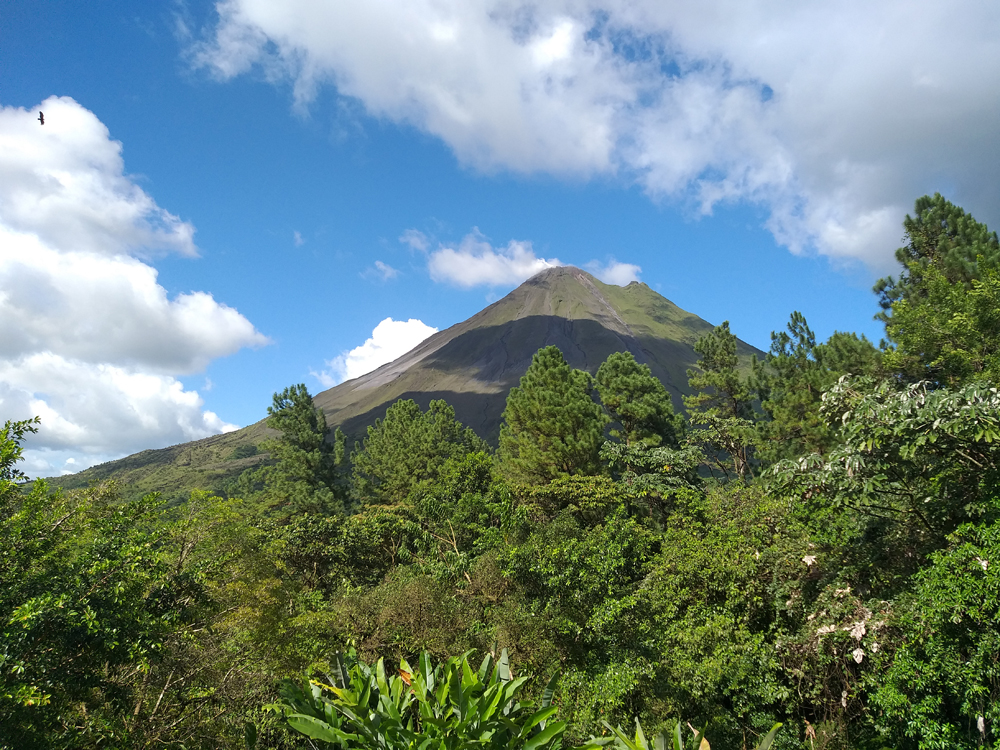
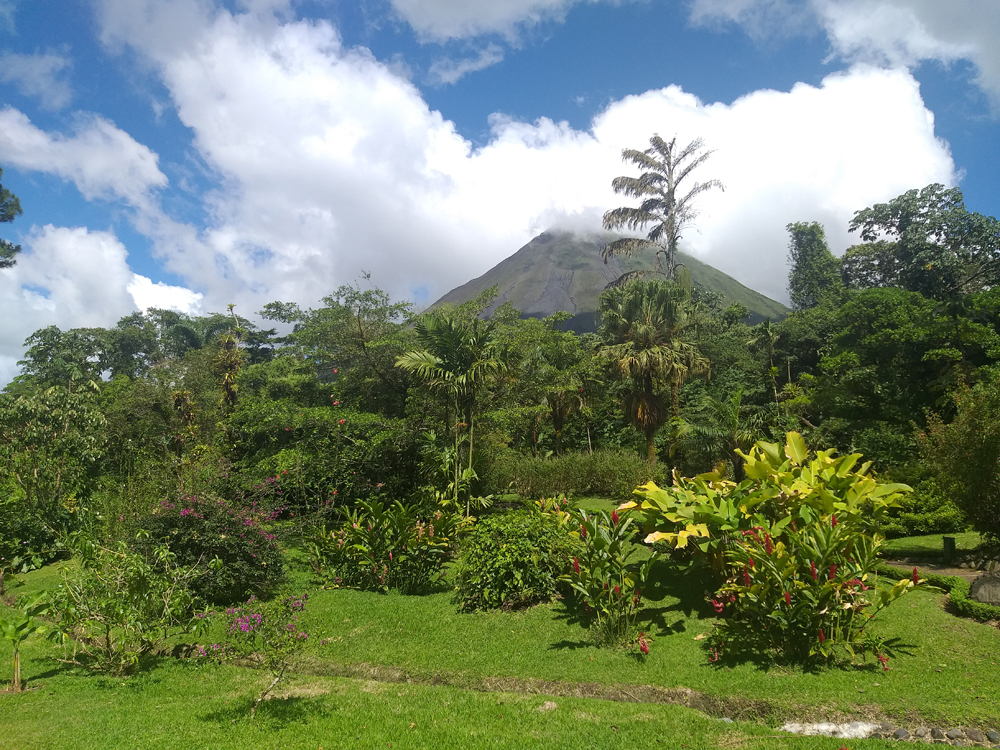
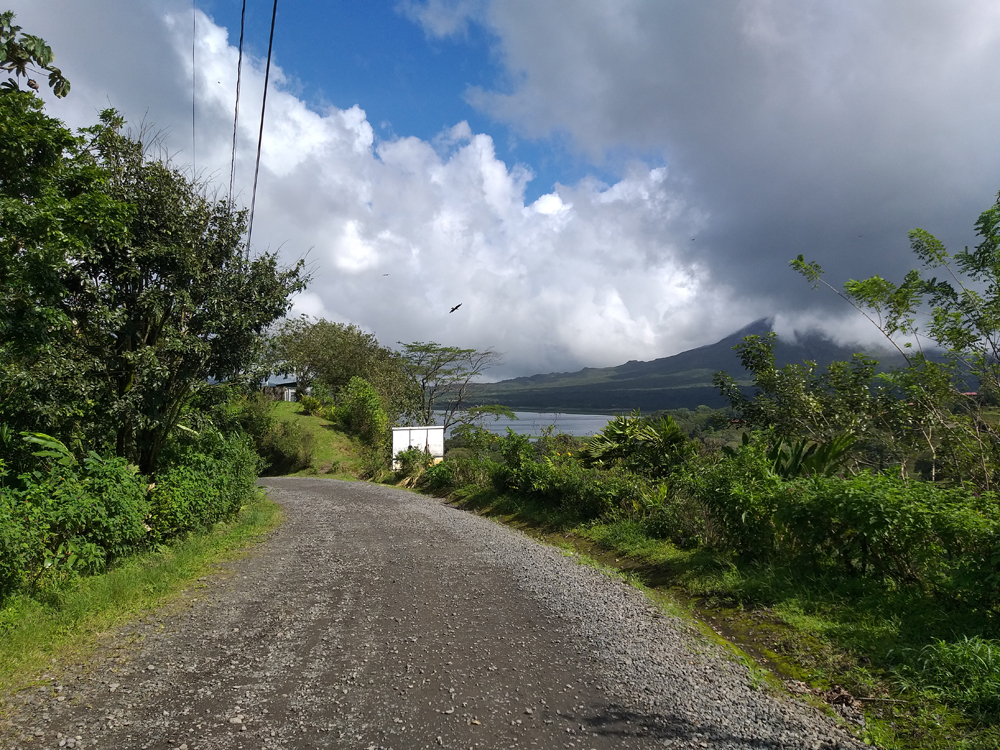
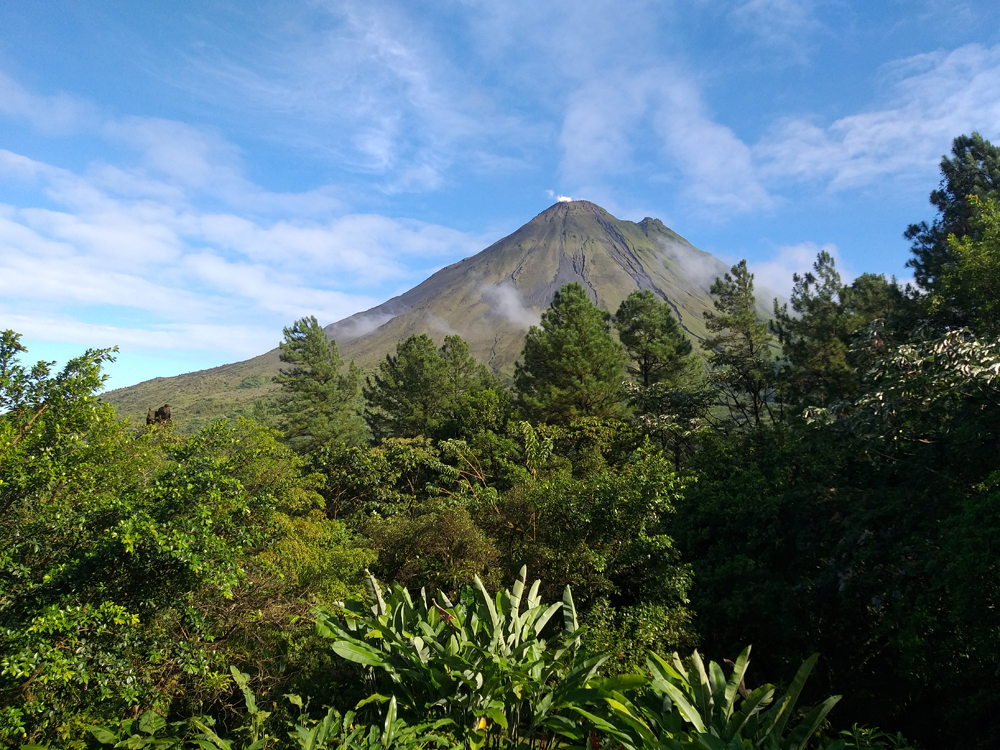
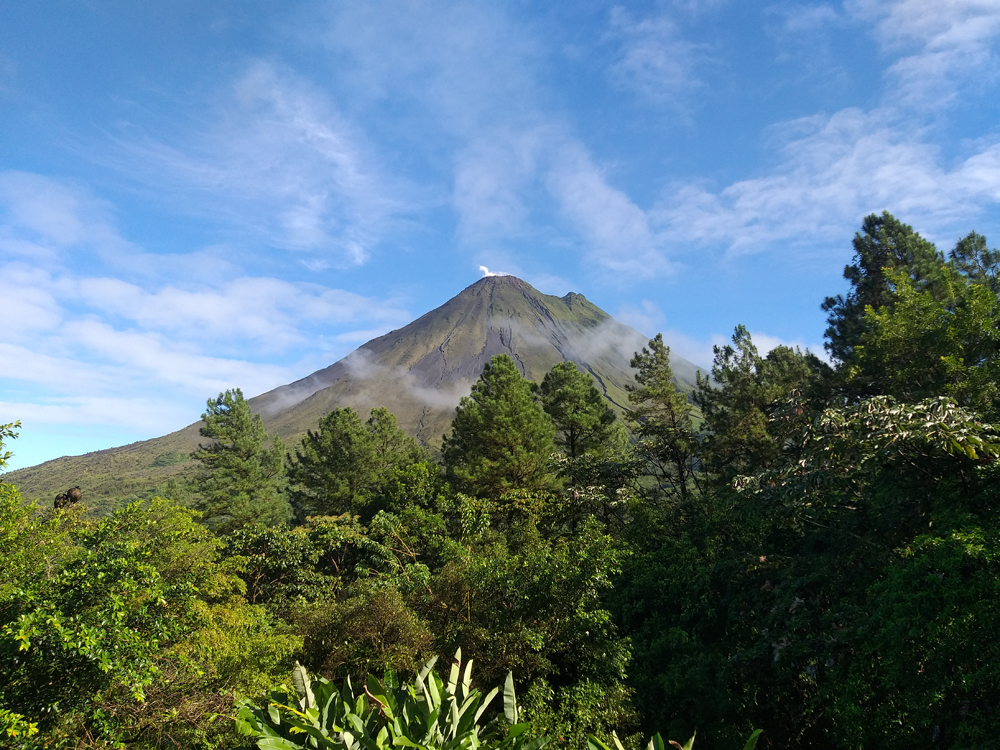
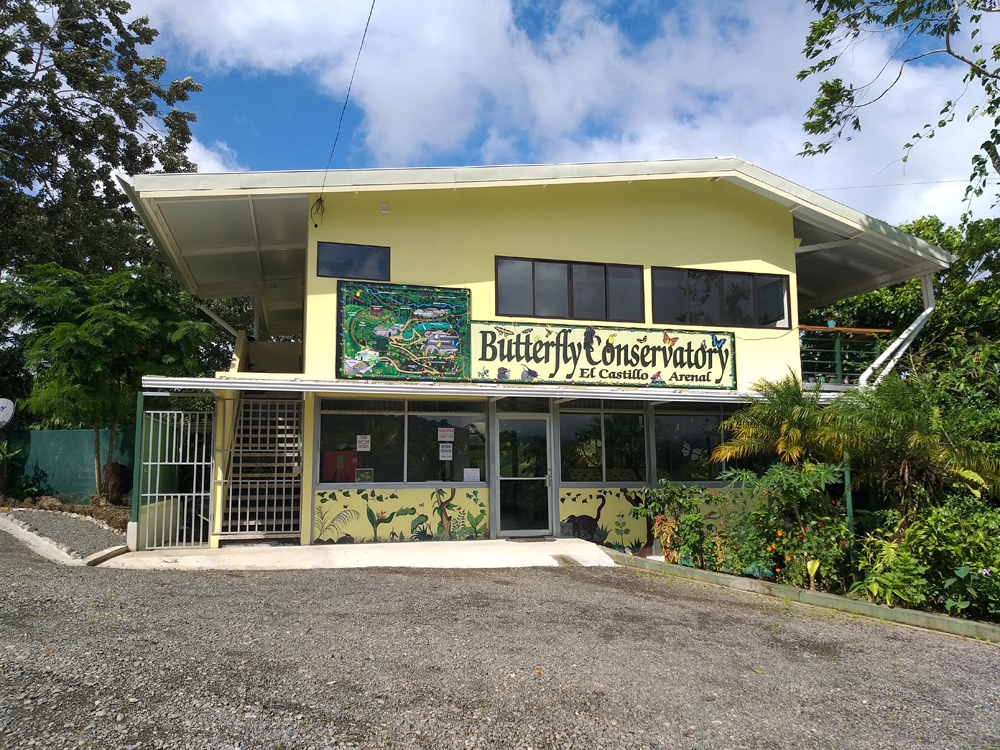
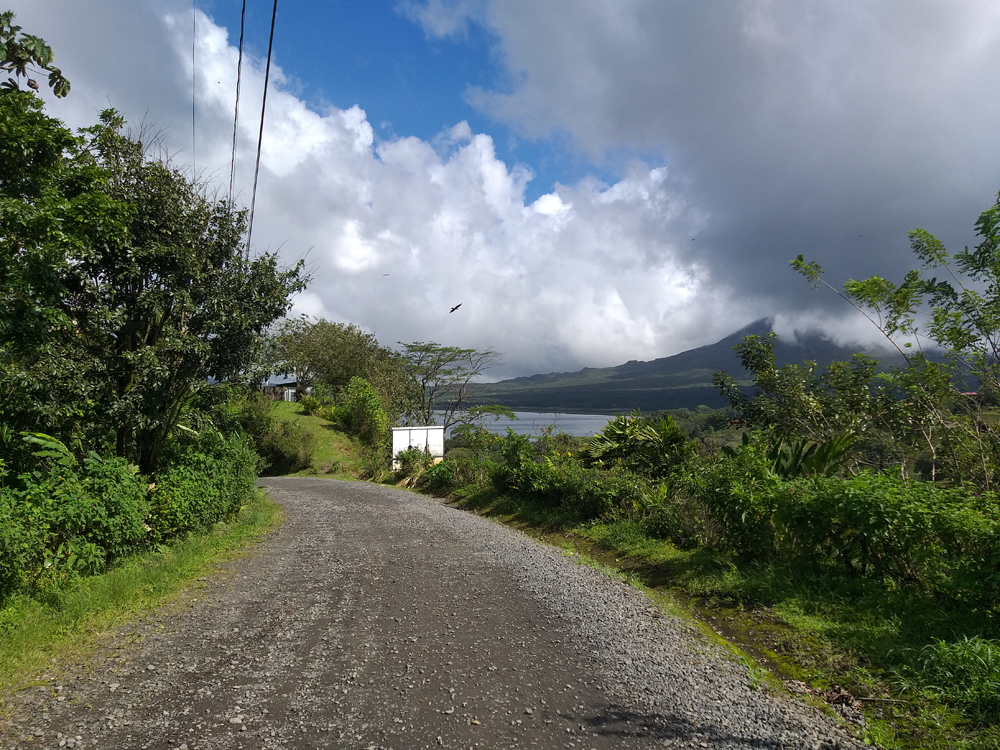
I thought I had more different views than this but it is no longer new to me, so didn’t take as many photos and the one I took from the butterfly garden didn’t take so here’s 2 from my room, one from a hotel garden and one from the road in front of the Butterfly Conservatory.
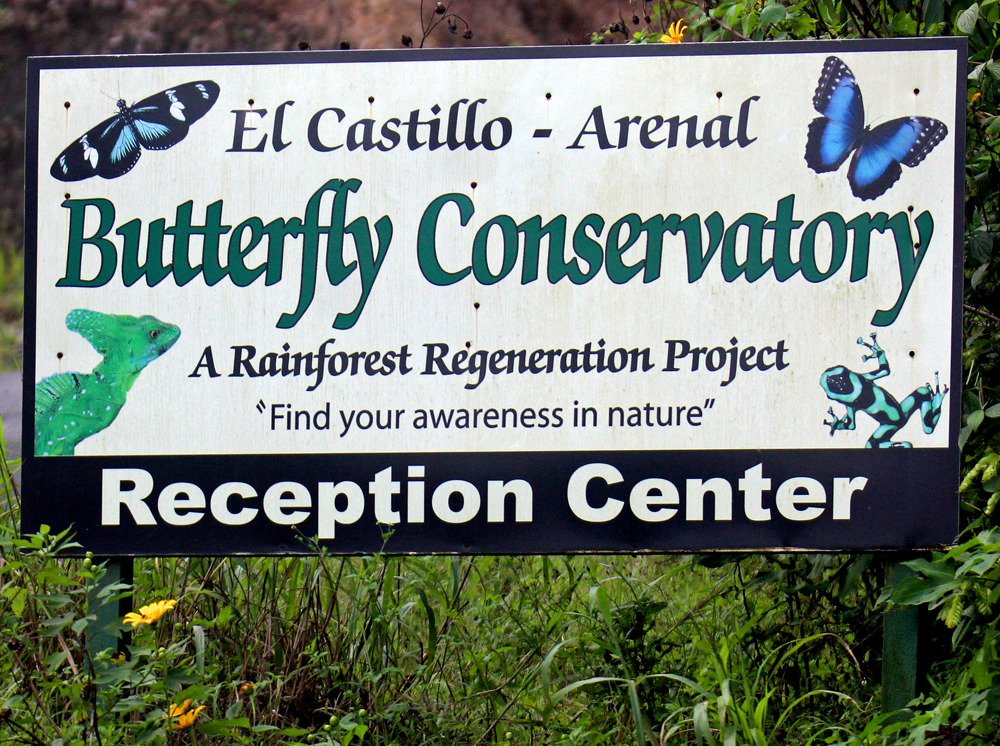
Yesterday’s butterfly post was all photographed at The Butterfly Conservatory, El Castillo – Arenal, Costa Rica. I highly recommend it if you are at or near Arenal Volcano or La Fortuna. I always stay at Arenal Observatory Lodge which is less than a 10 minute drive to the butterflies while from La Fortuna would be about 30 minutes. It’s on Lake Arenal.
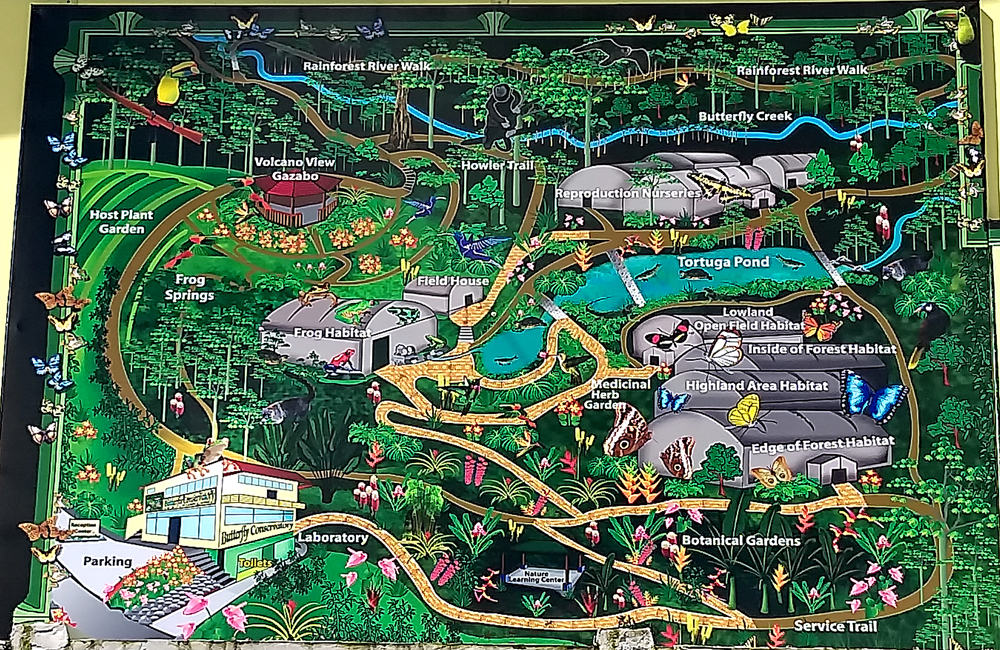
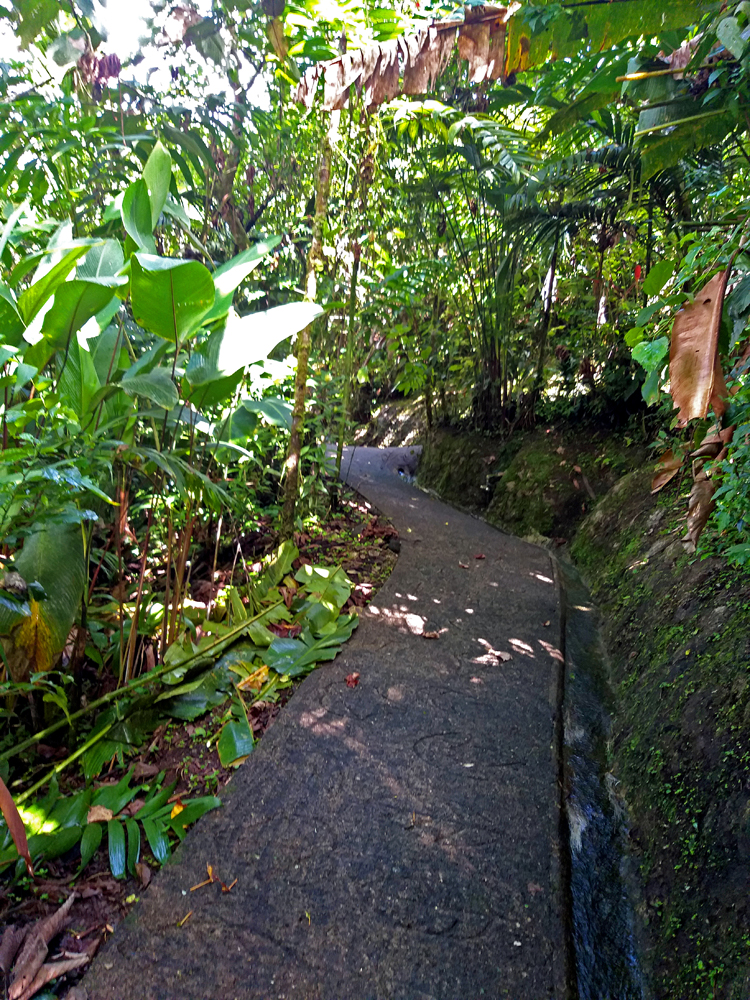
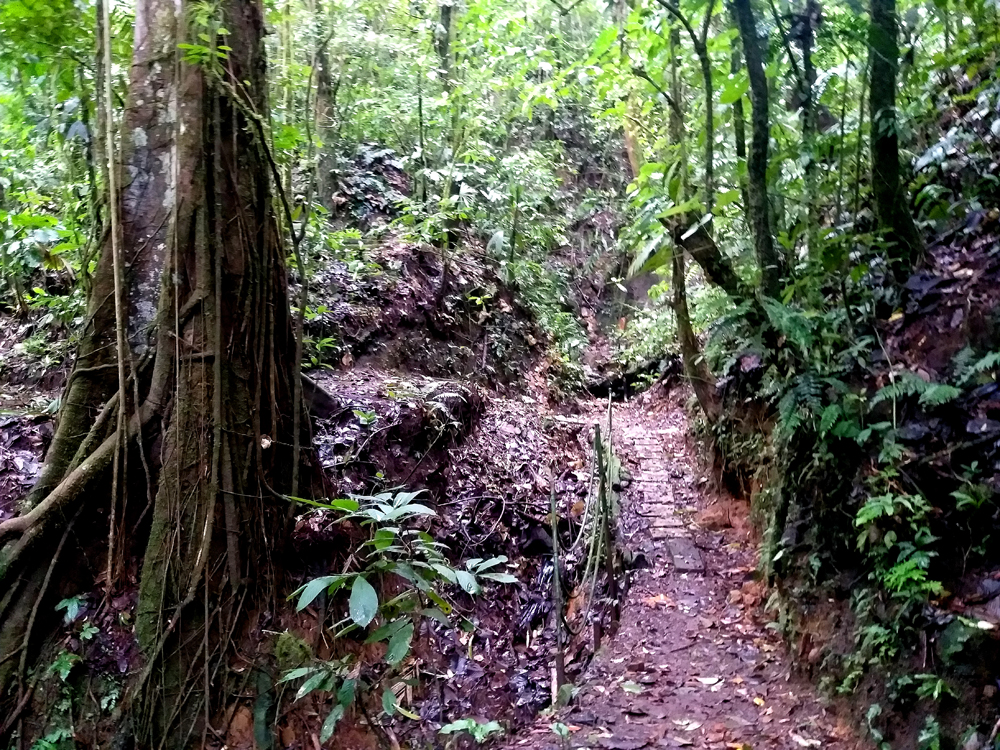
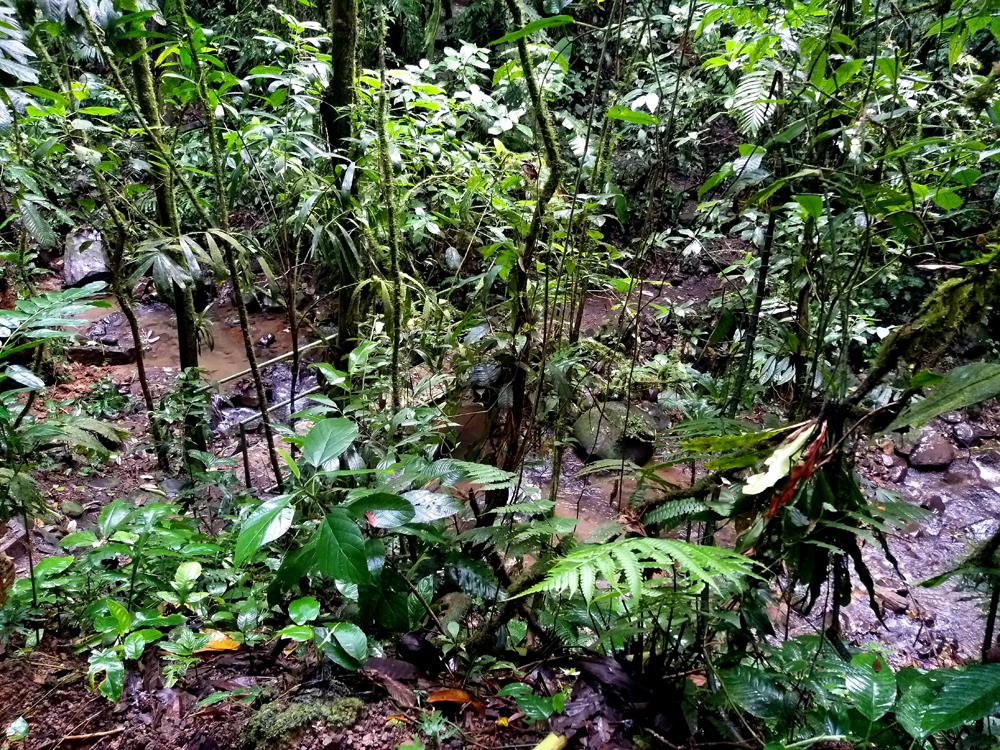
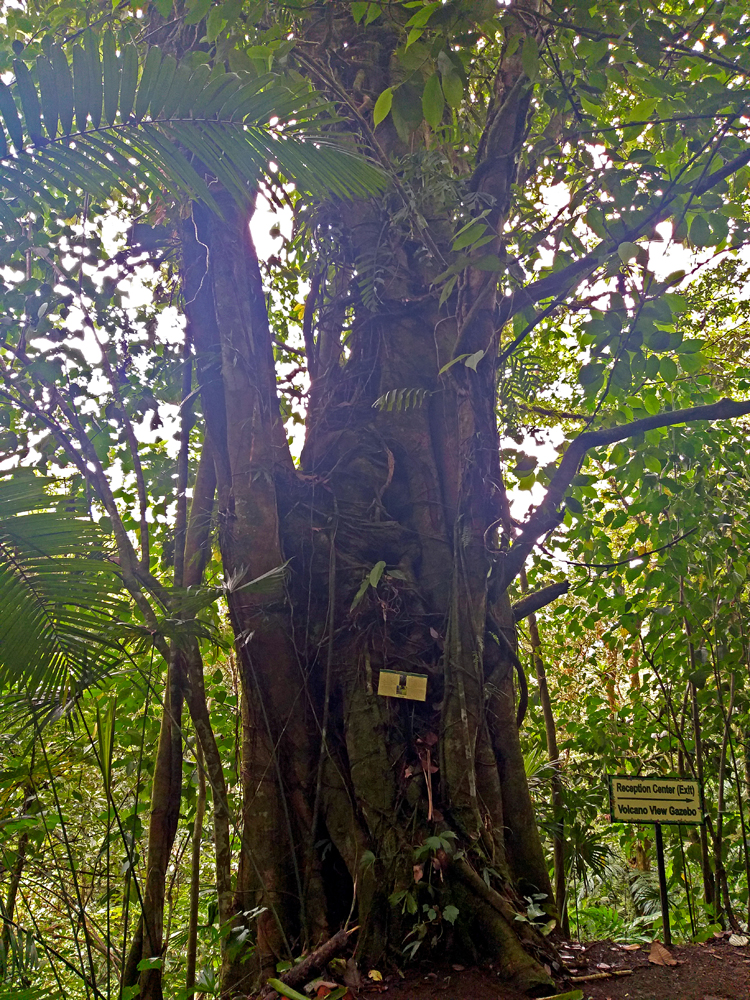
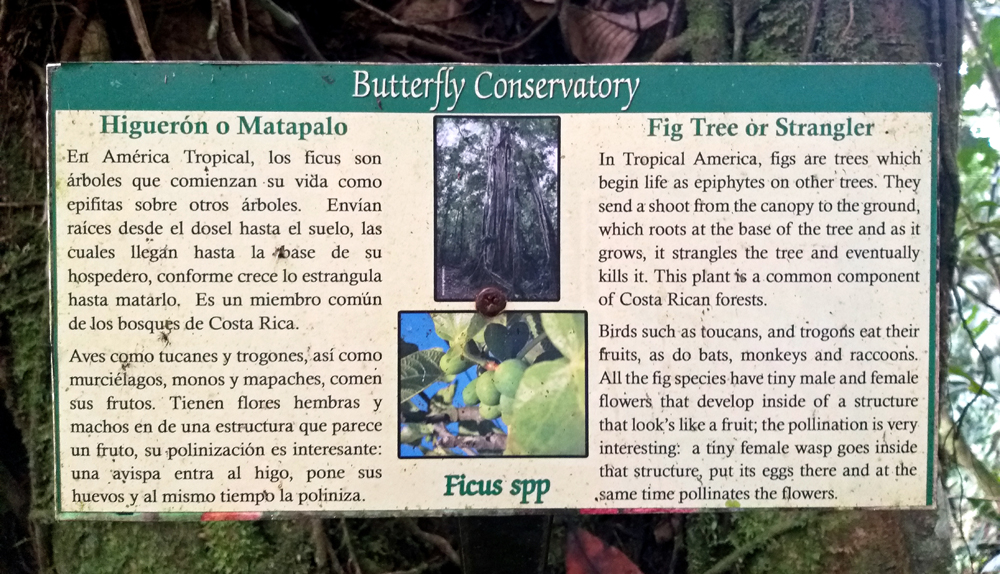
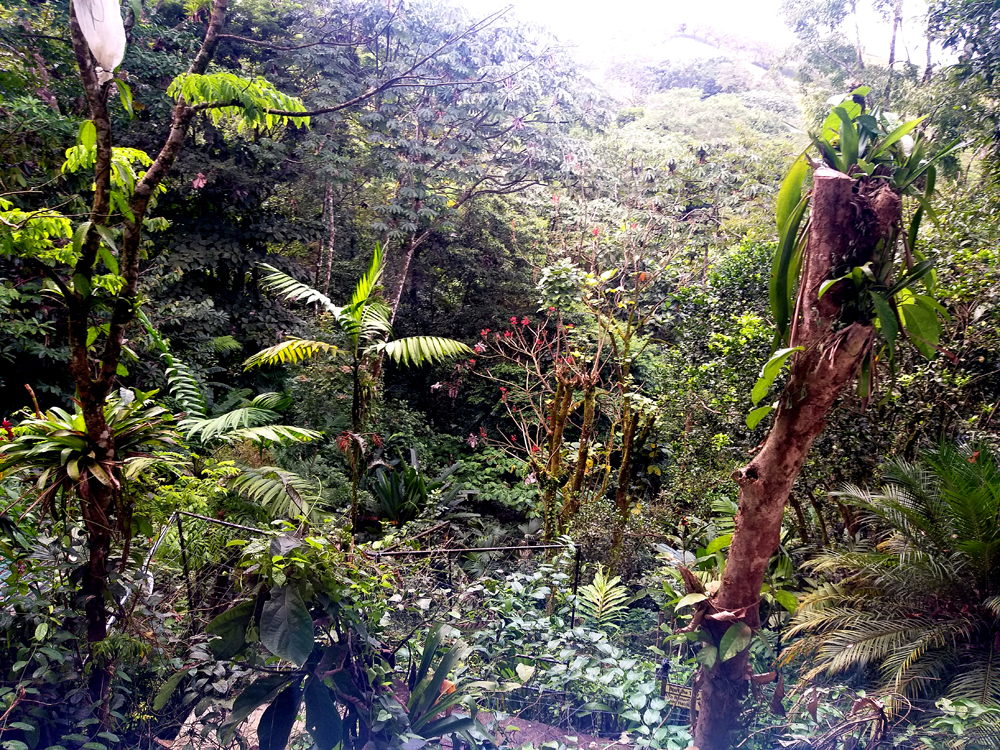
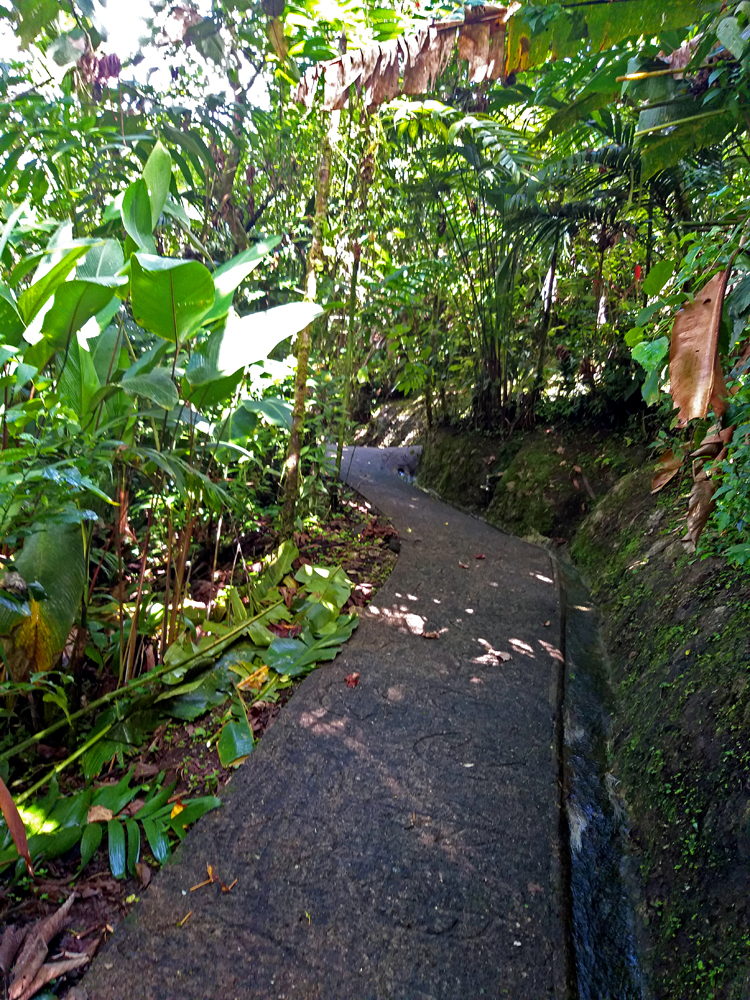
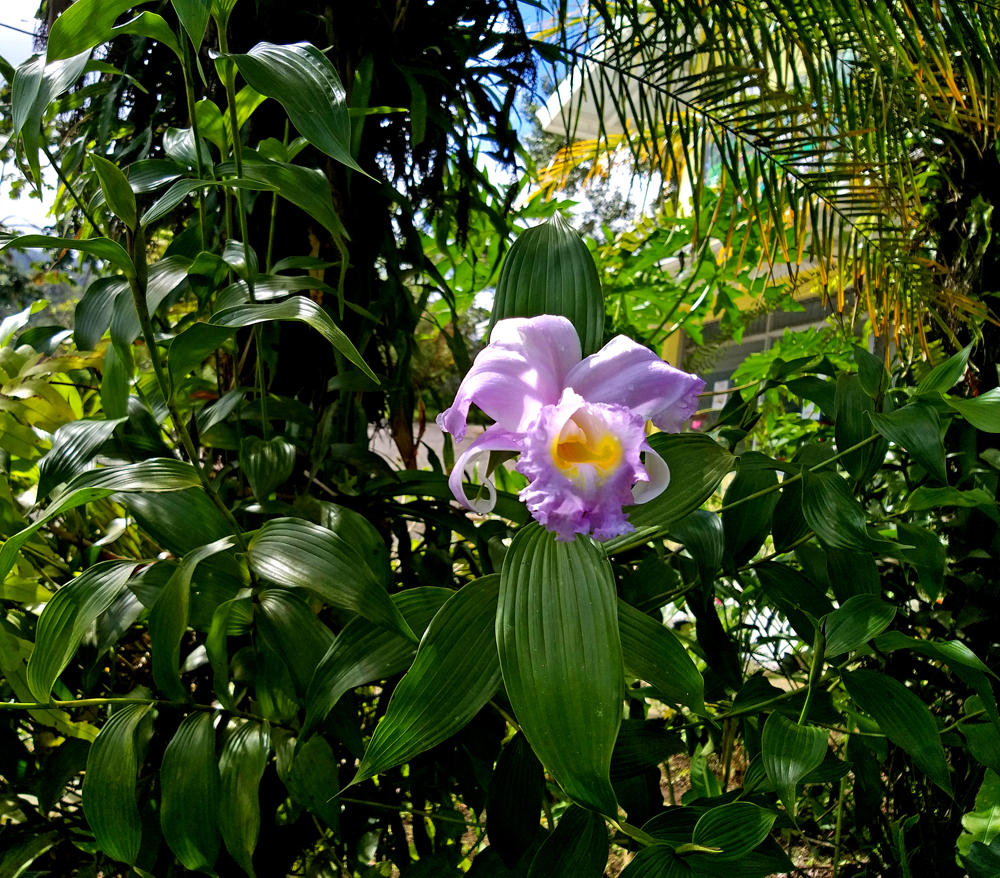
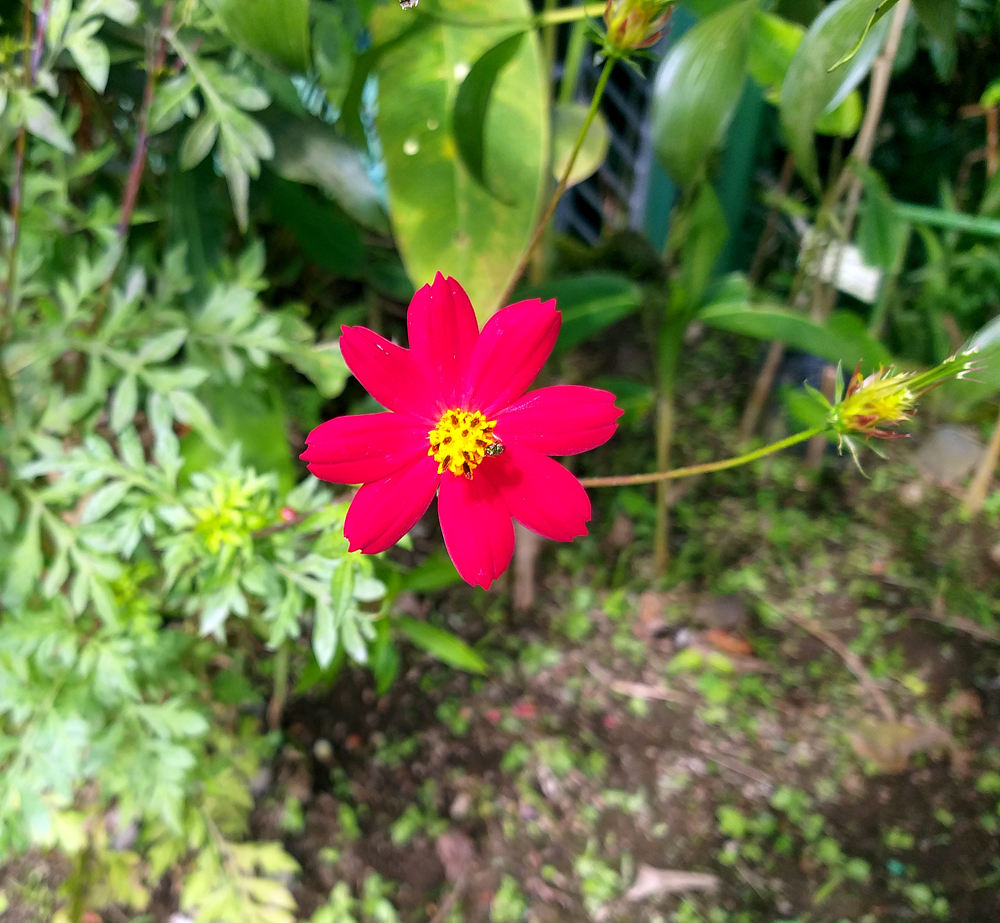
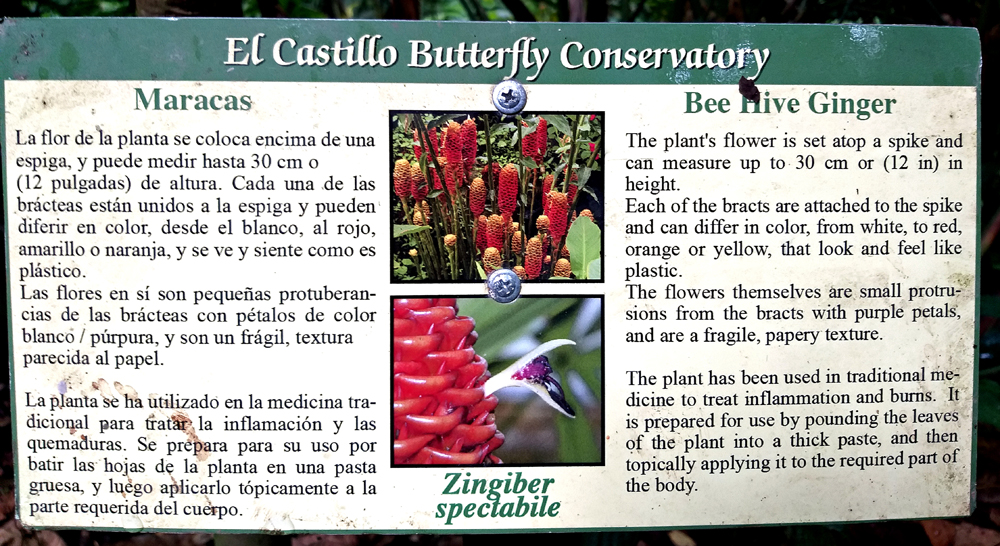
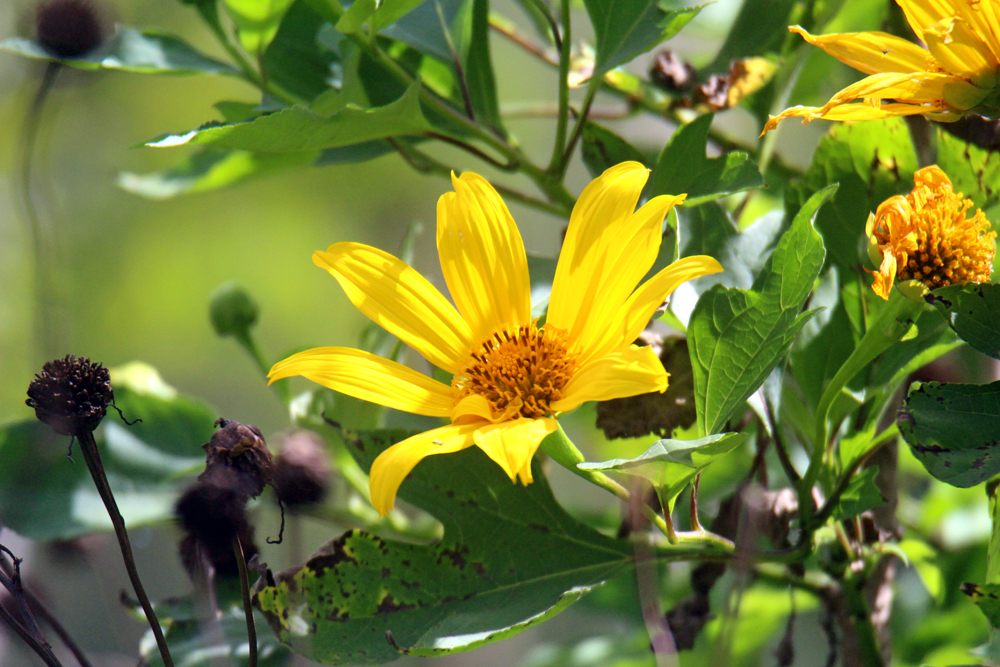
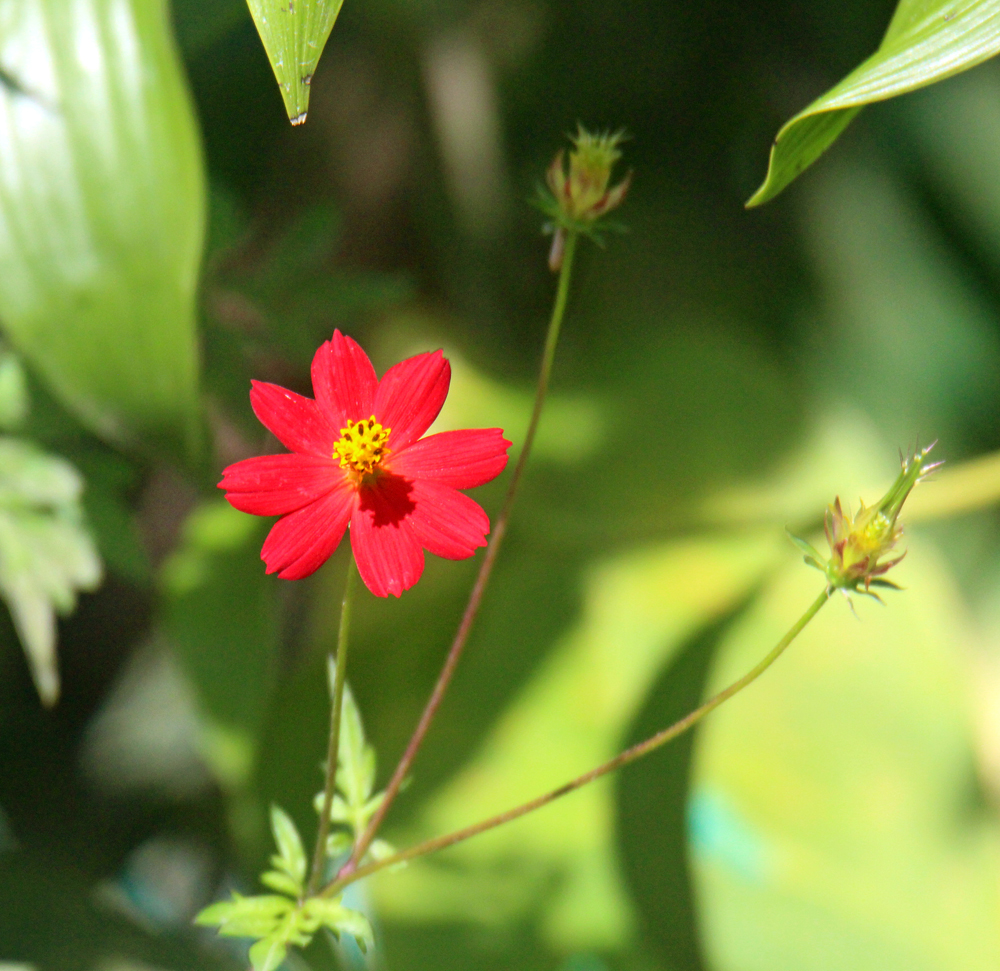
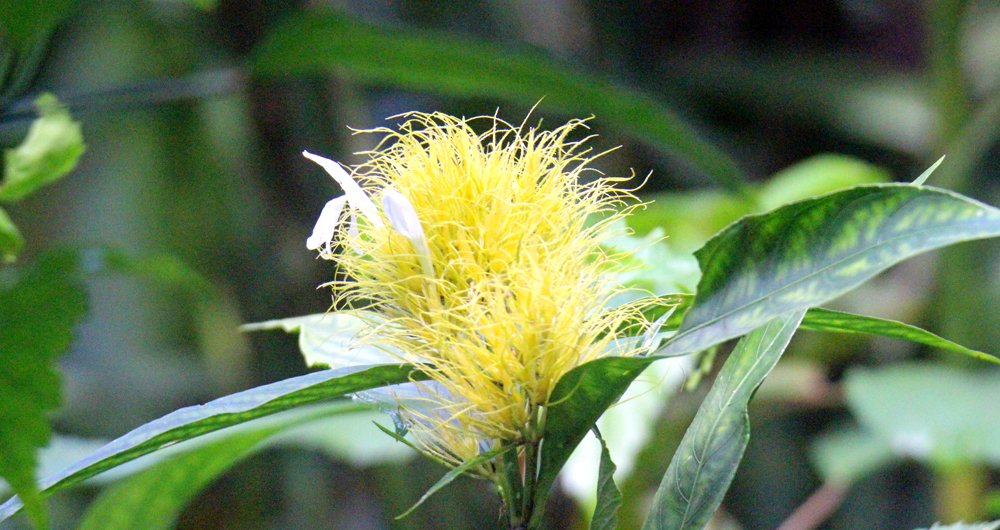
See yesterday’s post for the butterflies I photographed. Below are some shots of the facilities, the hiking trails, and flowers. There is a so-so insect museum with dead insects of many species stuck to boards, but not labeled. This competes with if not better than the Monteverde Butterfly Gardens for just the butterflies, my other favorite and both are better than the very commercial Selvatura Adventure Park in Monteverde. And another one surprisingly good on my 3 visits there is the small Restaurant Selva Tropical Butterfly Garden, Guapiles, Costa Rica and sometimes the butterfly garden at La Paz Waterfall Gardens has a good collection. All are up and down with many butterflies only living a day or two and thus a lot of work to keep hatching new butterflies! 🙂
The International Living Magazine again ranks Costa Rica the #1 Place in the world to Retire. I’m not a fan of the magazine because I found them too commercial, with too many ways to take my money, but they do have interesting articles and if you are considering retirement in any other country, read these short articles on the top 10 places to retire.
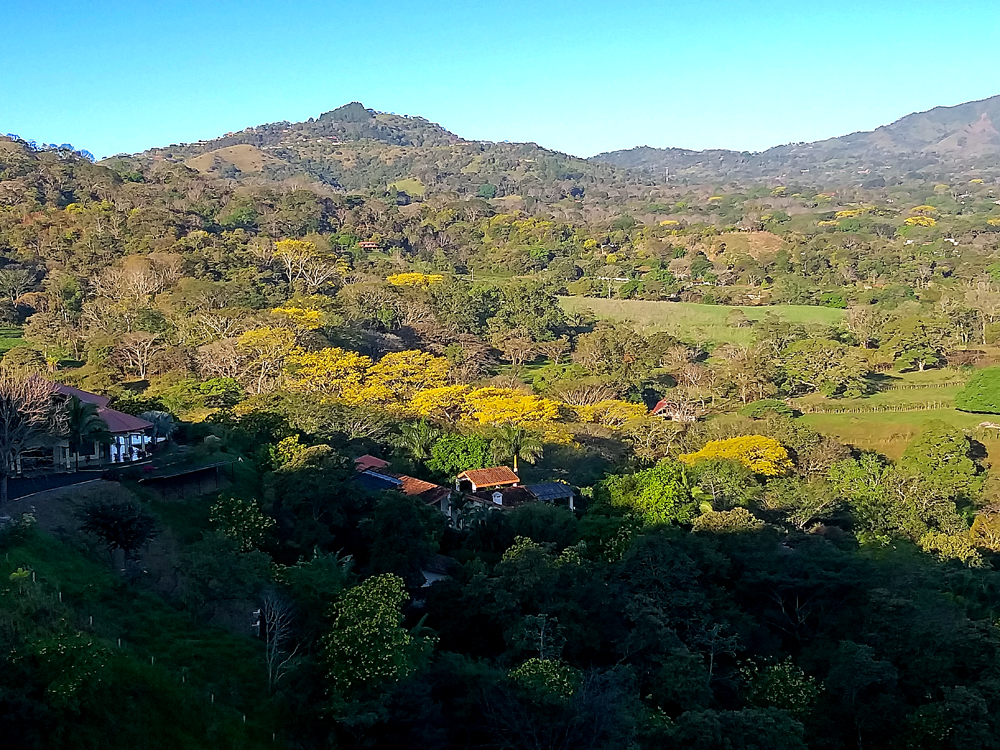
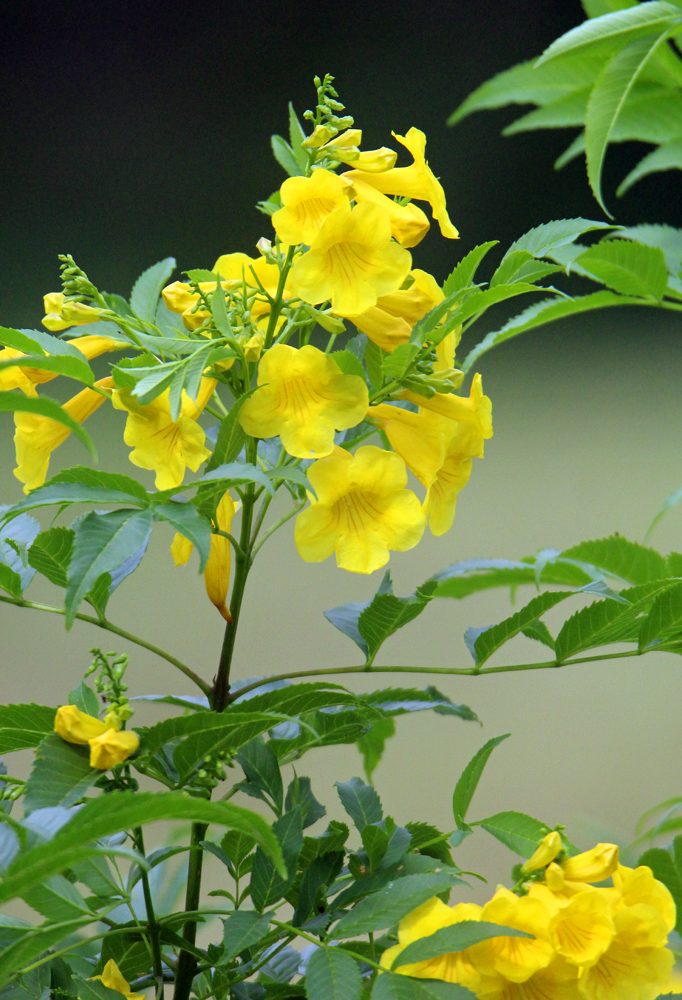
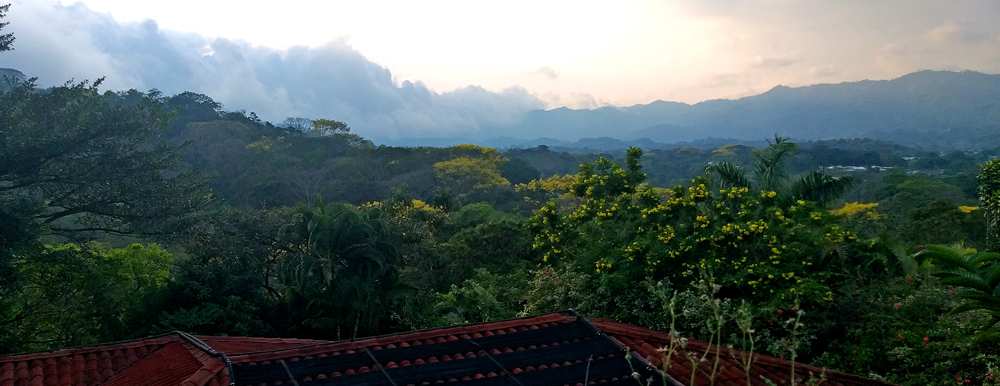
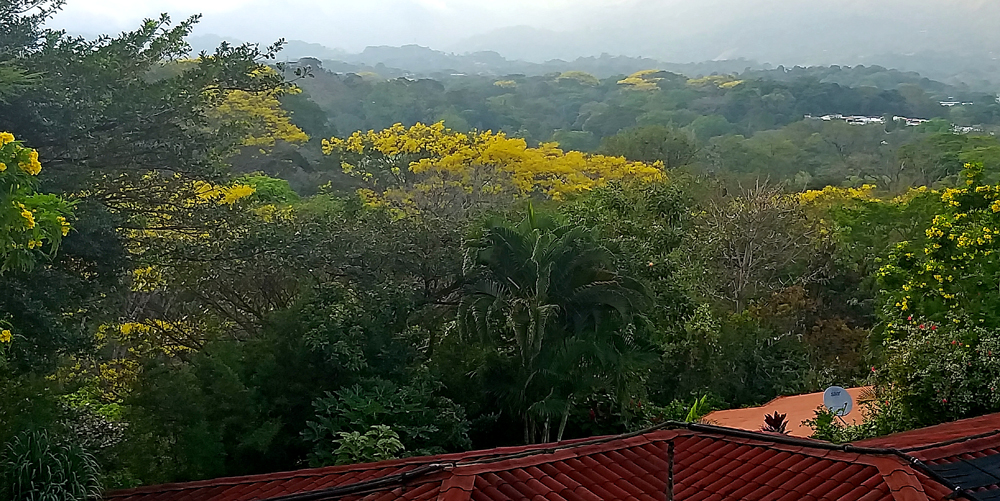
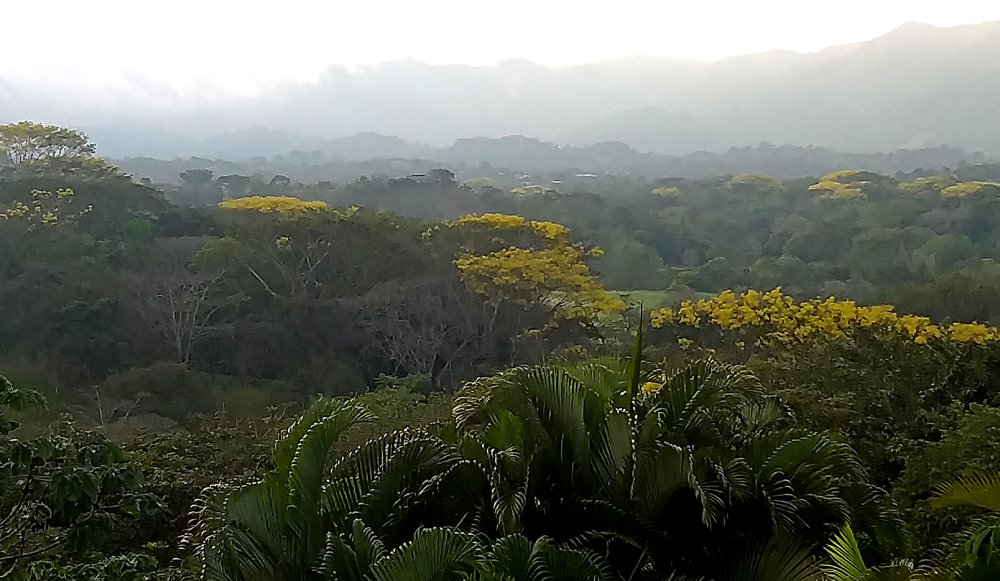
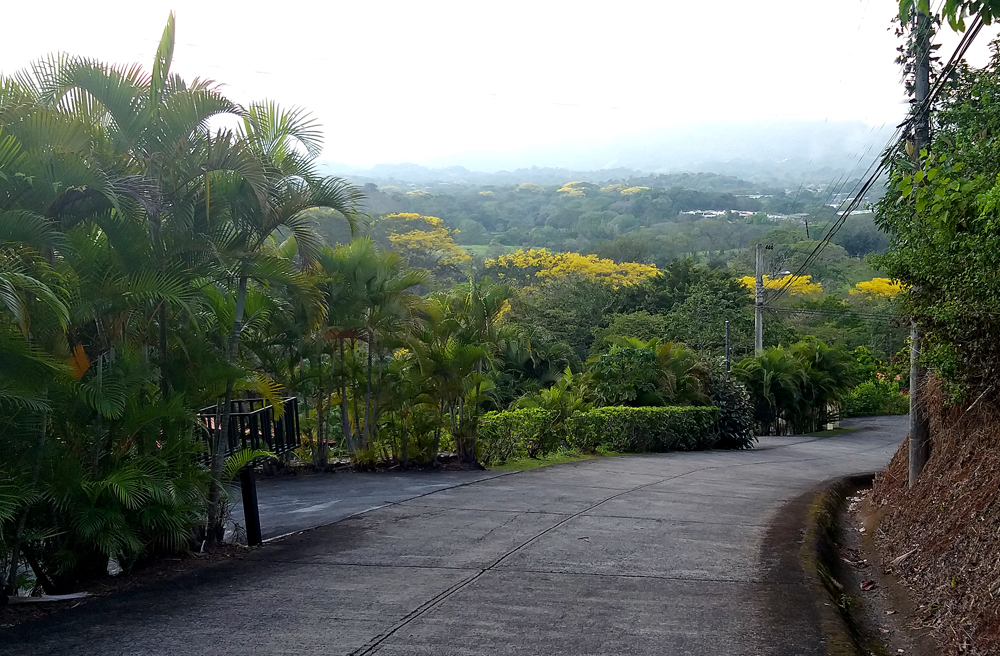
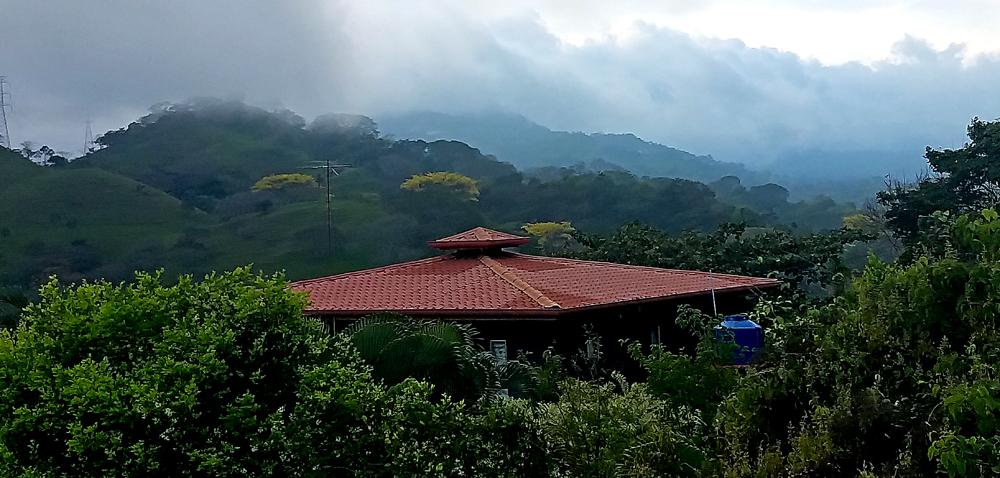
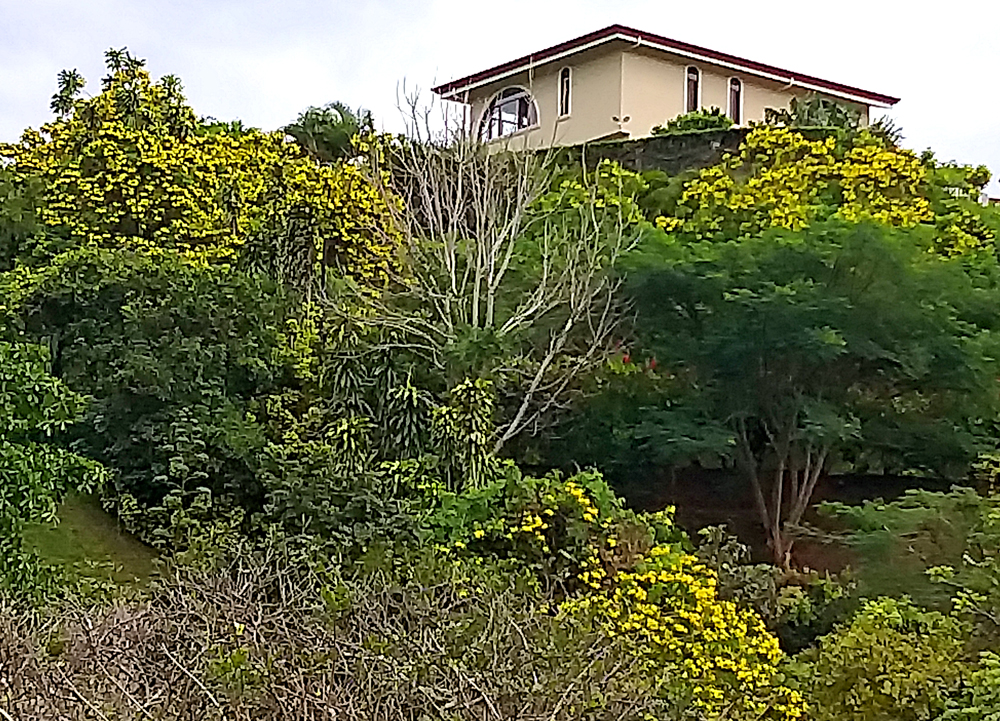
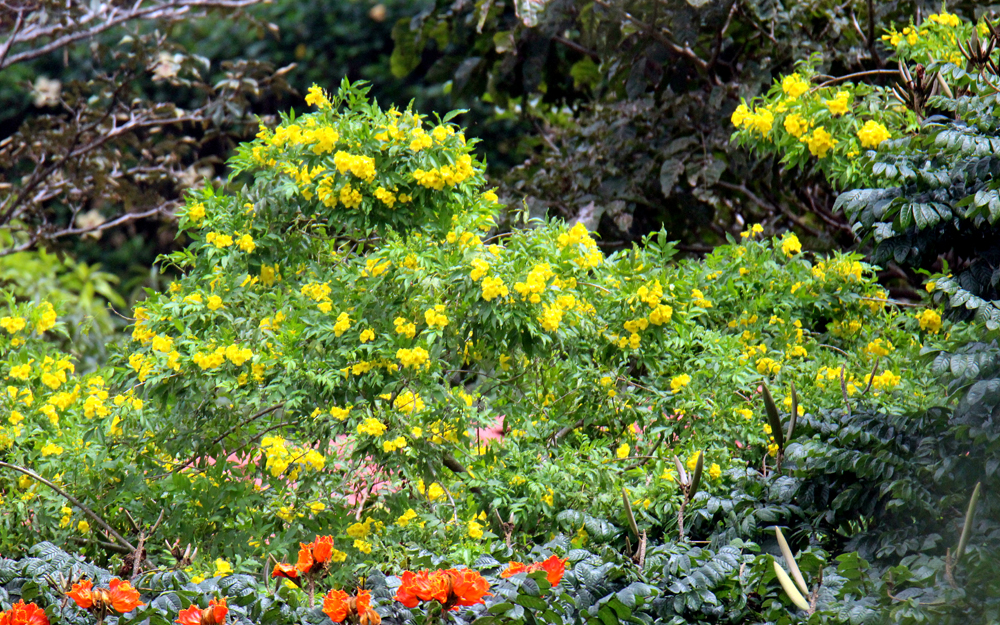
Around the first of January every year in Costa Rica the skylines, forest tops and trees in every direction seem to be ablaze in yellow. In my yard it is what we call “Yellow Bells” in English, while many others here and throughout the country are the Yellow Cortez Tree and in other places the Brazilian Fire Tree. These shots are from recent short morning walks through my neighborhood. CLICK image to see larger . . .