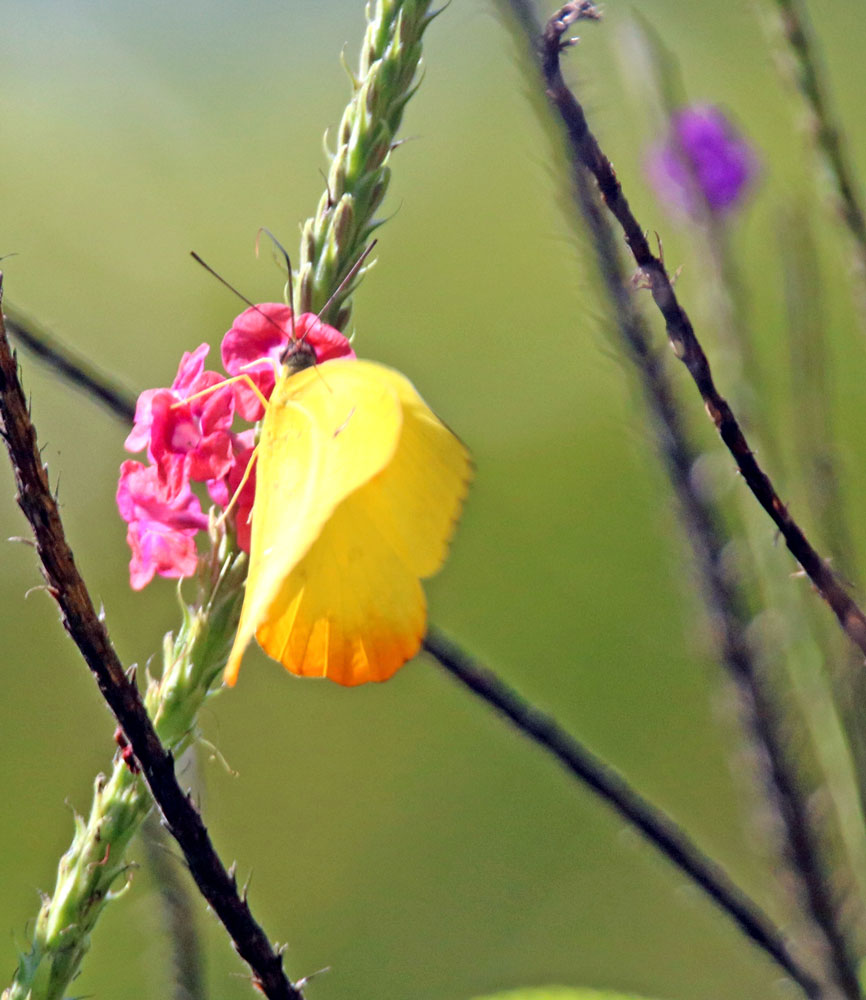
Augochlorine Sweat Bees, Tribe Augochlorini

This tiny little bee on the Spadix of an Anthurium (not a large pistil) was, I first thought, a Green Orchid Bee, but the AI of iNaturalist says no, it is one of many different species of sweat bees and once I post it on iNaturalist, it may or may not be given a species name, just the Tribe Augochlorini. He will go in my general Bees Gallery with only this tribal name for now. 🙂 He is less than half the size of yesterday’s orchid bee.

Augochlorine Sweat Bees, Tribe Augochlorini, Atenas, Alajuela, Costa Rica

¡Pura Vida!

My First 2026 Photography Day Trip Today

Early this morning Walter will take me and a group of 4 Canadian friends to breakfast at El Jardin on our way to a birding boat trip on Rio Tarcoles to its mouth on the coast followed by a birding hike in nearby Carara National Park, then lunch somewhere on our way back to Atenas. This is the second time I’ve arranged this always productive birding trip for this group.

Then on Thursday we go, at their request, to a mountain Cloud Forest Reserve north of San Ramon. There will not be as many birds there but all will be different from what was seen on the coast. Plus that 6:30am guided hike will be followed by a great “farm to table” breakfast at the Villa Blanca Cloud Forest Resort. I spent a couple of nights there during my earlier years in Costa Rica (2017) and it is nice, but I photographed only 9 species of birds that one time there. 🙂

¡Pura Vida!

Belted Orchid Bee

The unusual “Cigar Plant,” Pampano or Gadetea in Spanish (Calathea lutea, scientific name) doesn’t attract many birds (an occasional hummingbird) but this large bee seems to like its nectar. The Belted Orchid Bee, Eulaema cingulata, is one of 8+ species in my Bees Gallery for Costa Rica. I may soon break that gallery up into species galleries. And with the mostly windy days now, bees are sometimes all I can find to photograph! But tomorrow I go birding with some visiting Canadian friends to Rio Tarcoles & Carara National Park, so that will boost my lagging daily photos! 🙂

Belted Orchid Bee, Atenas, Alajuela, Costa Rica
Continue reading “Belted Orchid Bee”

Western Cattle-Egret

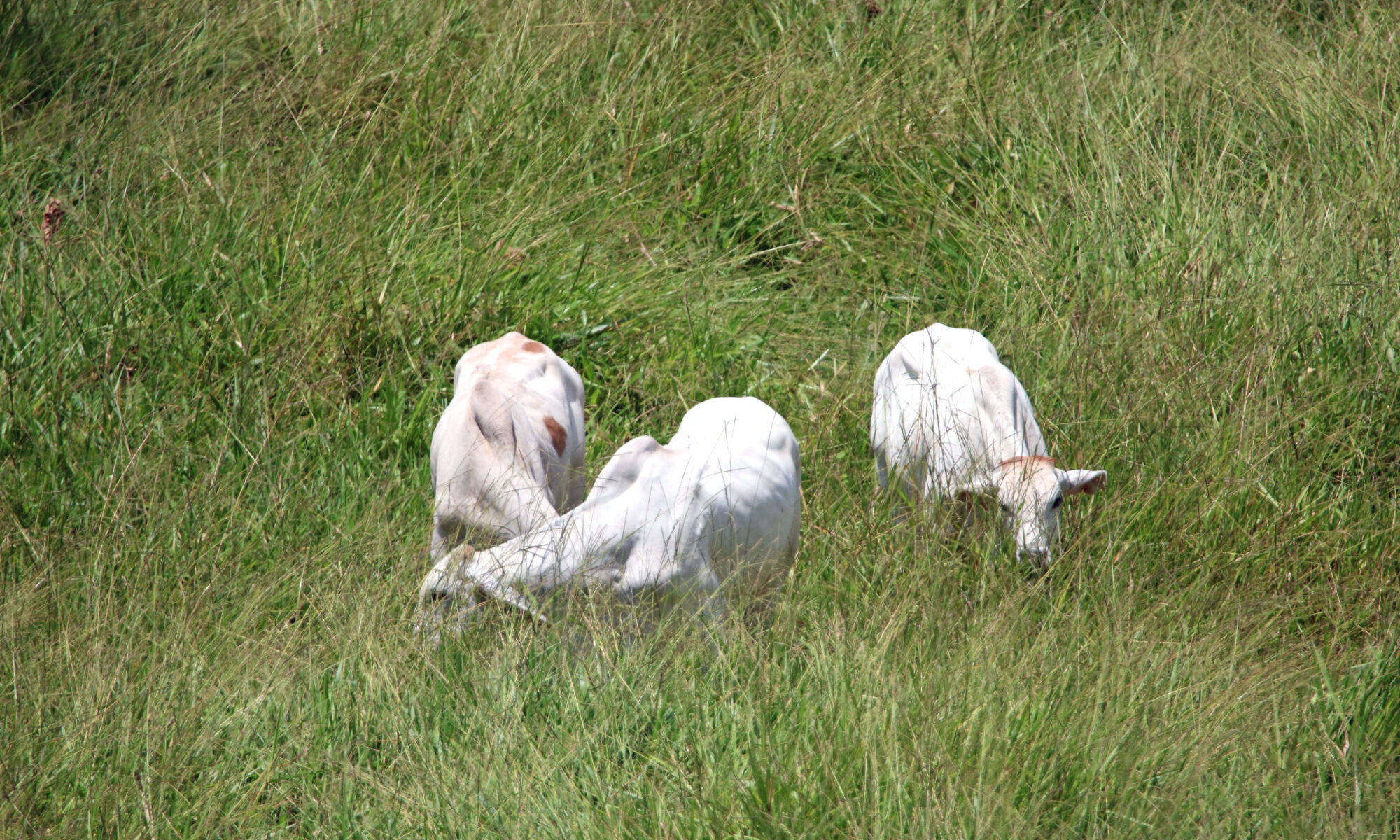
A small flock of these egrets flying up and away from the Cow Pasture across the street on January 31. They are regulars at the pasture but I seldom try to photograph. A small group of houses are at the south end of the pasture and the birds are flying up from the pasture and over those houses. I’m able to get closer and better photos on some of my river trips as you can see in my Cattle-Egrets Gallery. Just the one photo here.

Western Cattle-Egret, Cow Pasture, Roca Verde, Atenas, Alajuela, Costa Rica

¡Pura Vida!

2 Lizards, 1 Genus

Two days in a row I photographed lizards on my terrace that I cannot identify as species, though on iNaturalist both are accepted as the same Genus, Anolis, but obviously different species, though none of the “experts” have yet to identify the species of either one. Hopefully they will both eventually get identified! 🙂

Genus Anolis, Anole Lizards, Atenas, Alajuela, Costa Rica — This one has a red-orange dewlap.
Genus Anolis, Anole Lizards, Atenas, Alajuela, Costa Rica —
If this one has a dewlap, he did not display it for me. I think the eye markings will be the identifier.

I have 21 species identified in my LIZARDS GALLERY and another 15+ unidentified. The genus identifications of the above two are not confirmed yet and hopefully I will get even the species name later from identifiers on iNaturalist. Books sometimes give me identities, but not always.

¡Pura Vida!

Managing Humidity

I live in a tropical country, 13° above the equator, with lots of rainforests and cloud forests an hour or so from where I live. Though this Central Valley location is not as humid as a rainforest (except in the rainy season), it is still humid and I’ve learned that humidity does many negative things to my cameras and the lenses .

I recently spent over $300 at the authorized Canon Repair Shop for minor repairs and mainly cleaning of 2 cameras and 2 lenses which had various kinds of mold or other humidity-related problems affecting the electrical connections, the glass and other details.

The repair man was kind enough to reduce some of his future business by recommending that I store my cameras and lenses in a “Dry Box,” which is a metal box containing an electrical device that keeps the humidity down to the level recommended for cameras (40-50%) and at a recommended temperature of 25-29°C. And it costs a fraction of what continued cleaning and repair would cost! (just $150) So a no brainer! 🙂 When you walk in my office now, it looks like I have a little dorm fridge sitting on top of my file cabinet, full of cameras & lenses. 🙂 Anywhere one lives, there are some adaptations that can be made to live with the extremes that might be there. And this will particularly be good when I return from one of my trips to either coast or any rainforest or cloud forest where there’s always more humidity. Humidity damage is now stopped and I expect my cameras to work better! 🙂

“Helios Dry Box” or Dehumidifier for my cameras and lenses.

Under the ABOUT Menu of my website there is a PHOTOGRAPHER page with a sub-page on My Photography Equipment where I have now added this handy little device to protect my cameras and lenses. 🙂

¡Pura Vida!

This post was made about 2 weeks ago which is about how far ahead I am on creating most of my Blog Posts now since the Christmas trip to Punta Leona.

Giant White

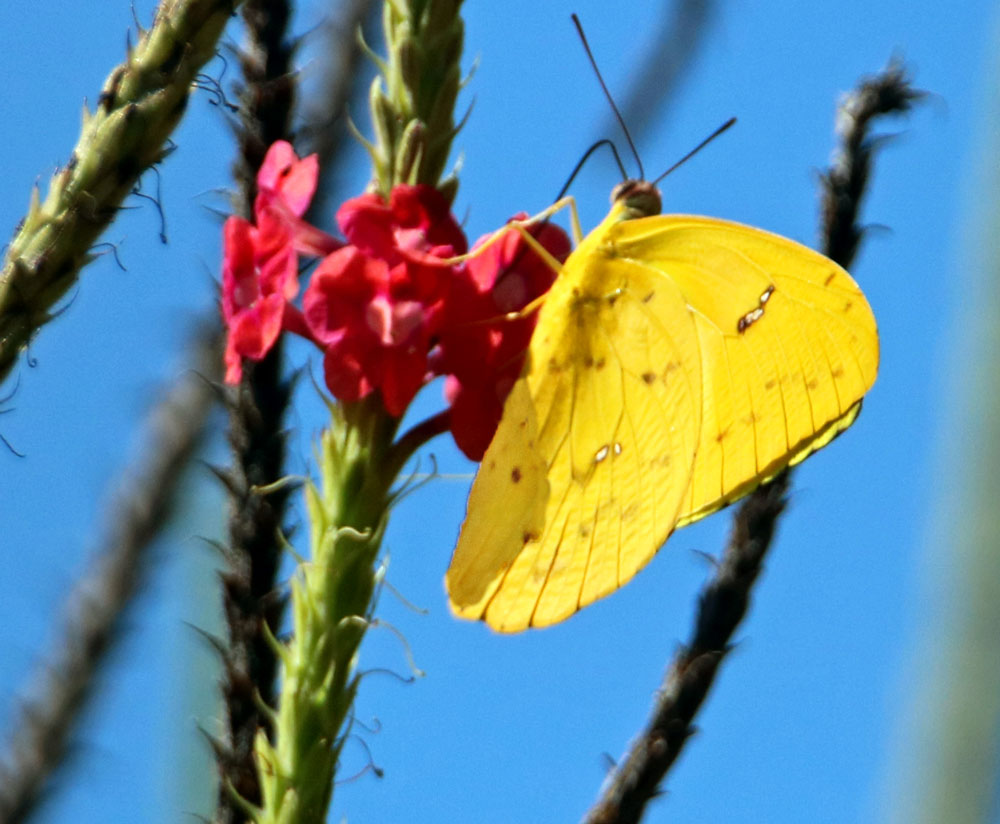
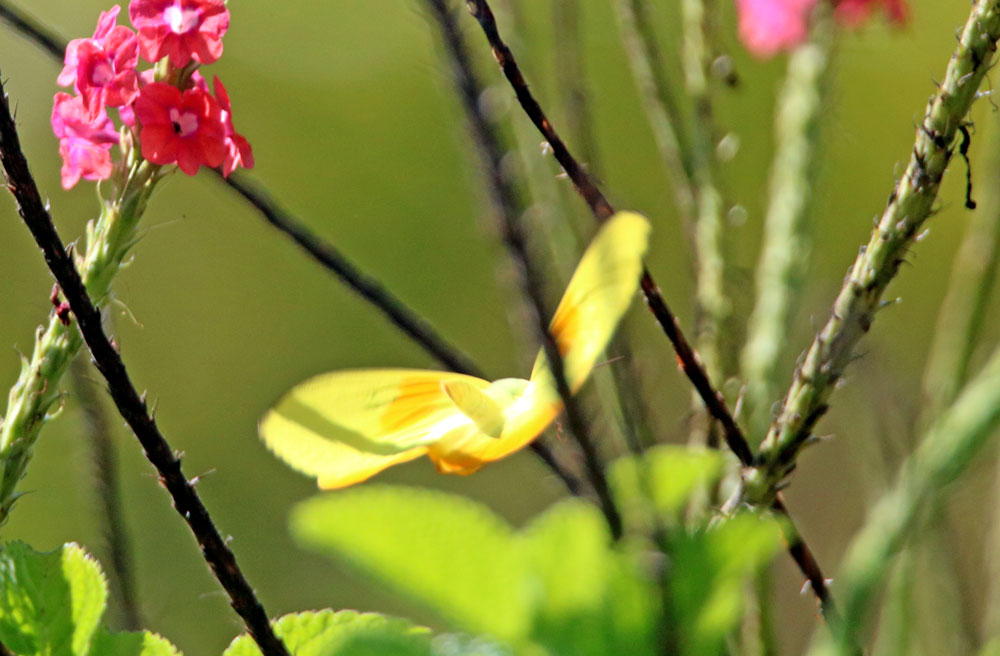
This was in my garden and not the cow pasture, but with the strong winds this time of year I’m seeing a lot fewer of any species in the garden, though this one has been pretty common in the past as you can see in my Gallery: Giant White, Ganyra josephina. Note that all of them have been seen in Atenas! 🙂 Two shots from the other day . . .

Giant White, Atenas, Alajuela, Costa Rica
Continue reading “Giant White”