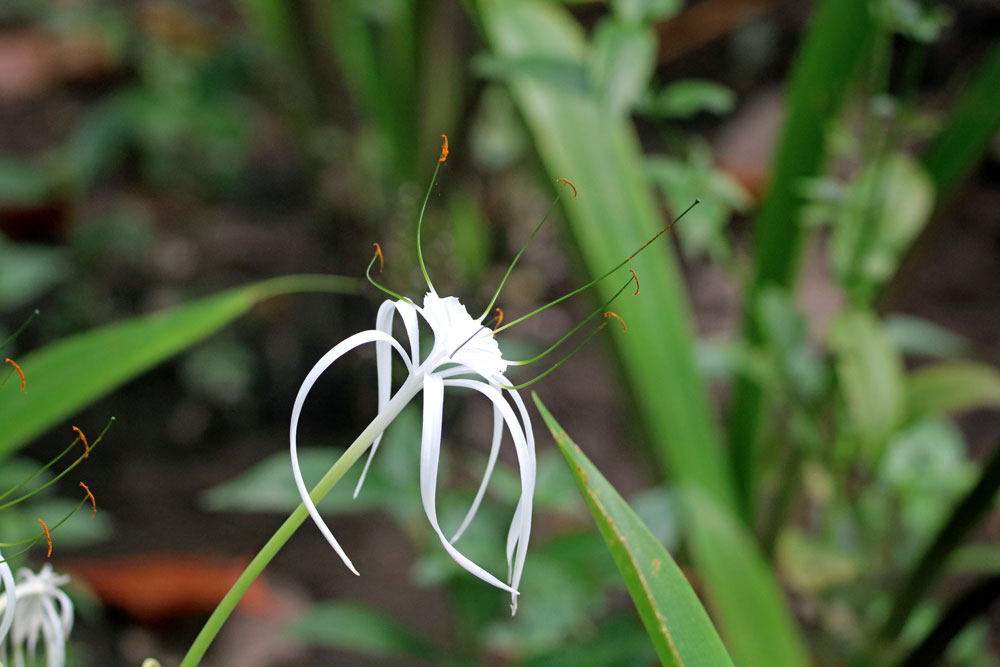
A graceful and simple flower along tropical beaches and in the Gardens of Hotel Banana Azul, the Beach Spider Lily, Hymenocallis littoralis.
¡Pura Vida!
Read about this species on Wikipedia or on iNaturalist Costa Rica.

charliedoggett.net
A graceful and simple flower along tropical beaches and in the Gardens of Hotel Banana Azul, the Beach Spider Lily, Hymenocallis littoralis.
¡Pura Vida!
Read about this species on Wikipedia or on iNaturalist Costa Rica.
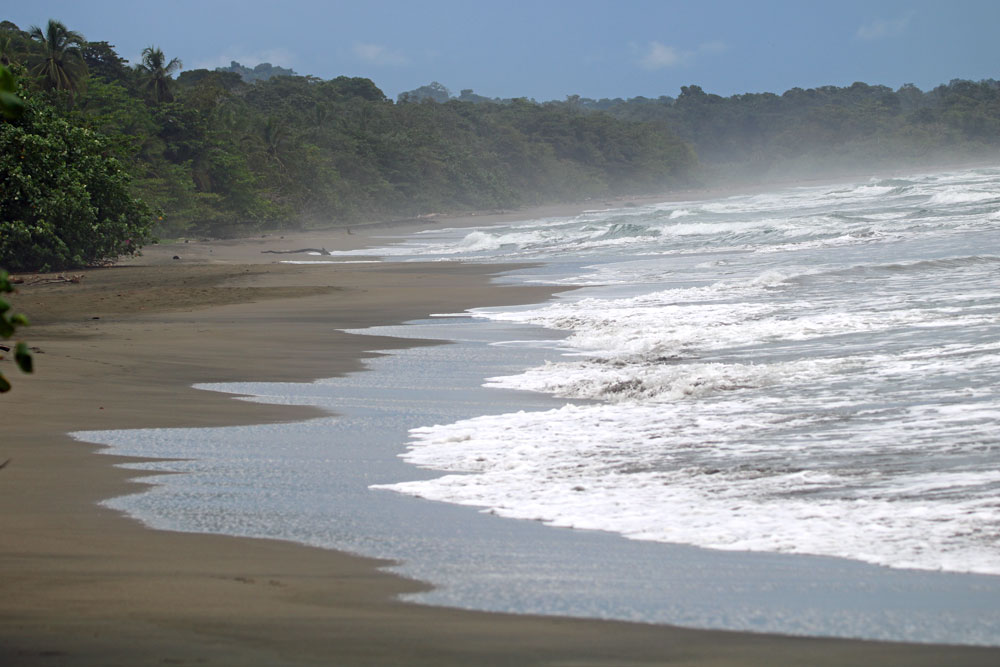
I am not through sharing photos from this year’s trip to Banana Azul and haven’t even started on the photos from a morning hike in Gandoca-Manzanillo Wildlife Refuge (source of my most wildlife sightings this year), but with all the praise I’ve given Banana Azul over the years and what was an annual trip every September (the month with usually less rain), I need a “DISCLAIMER” to previous recommendations for this hotel and area and to explain why I will not continue annual trips here and may not even return to Banana Azul.
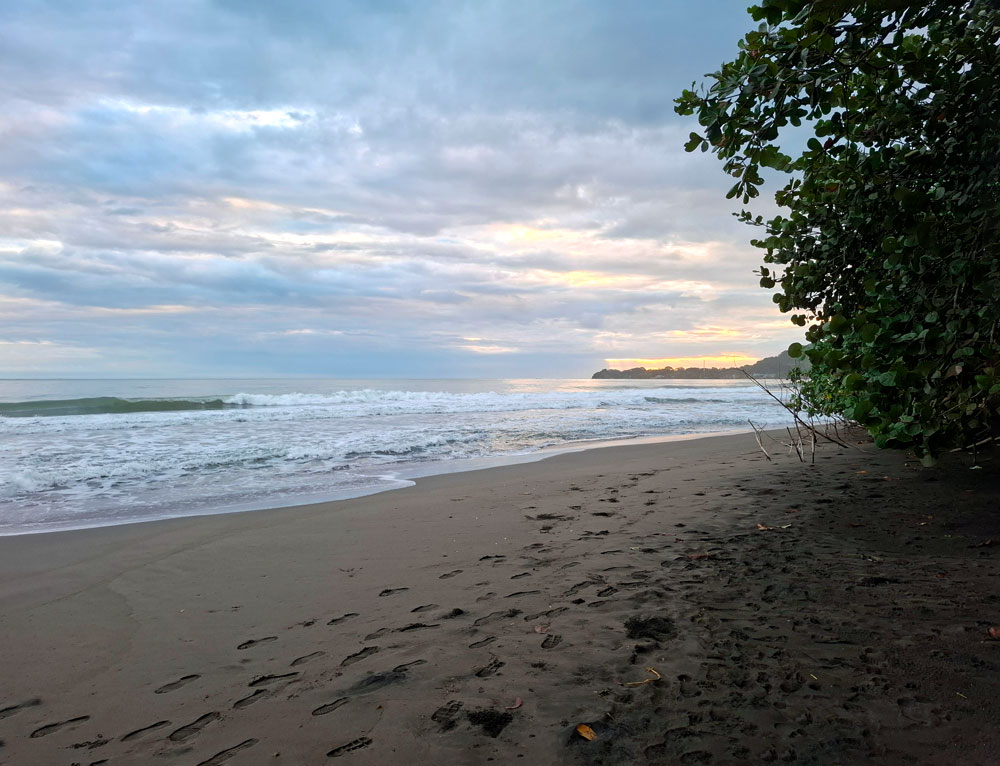
Read on for my explanation or reasons and to see more photos . . .
Continue reading “Eroding Beaches, Diminishing Wildlife, and . . .”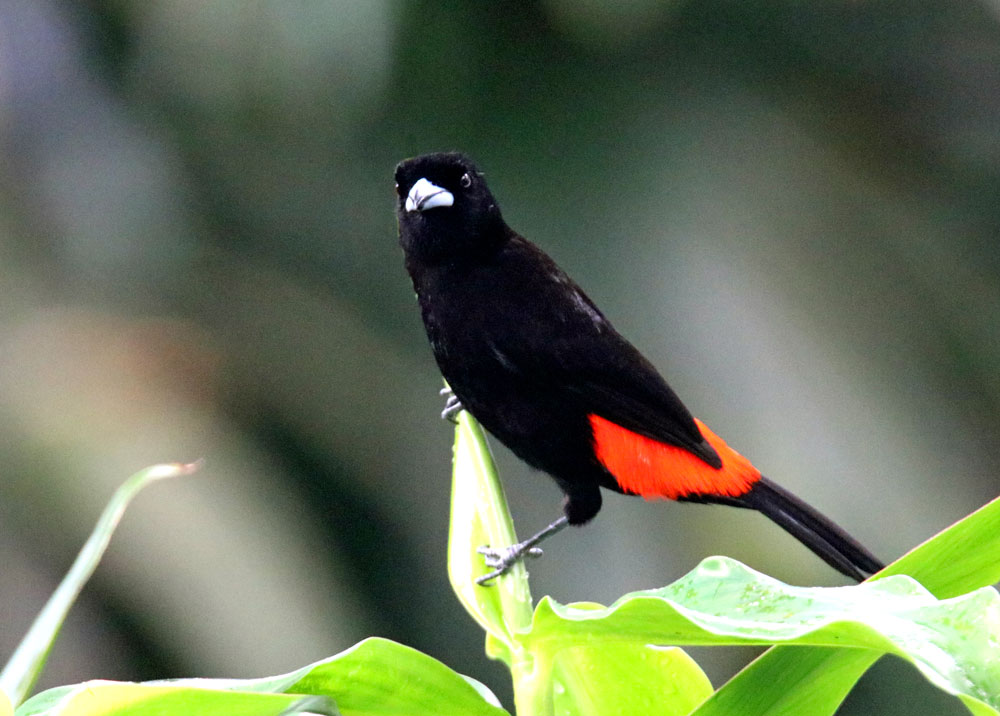
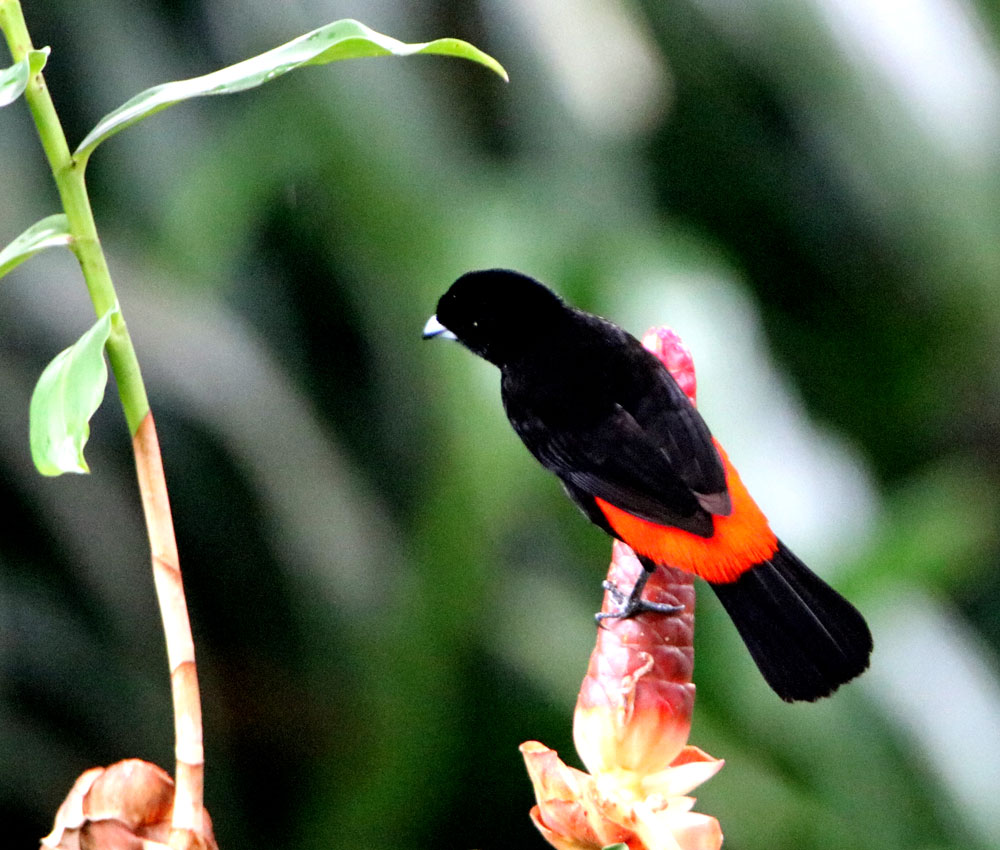
This one on the Caribbean side has an identical male as the Pacific side male with a slightly different female and they are thus considered different subspecies. I keep my photos separated in two galleries. For more of these from the Caribbean Slope, see Scarlet-rumped Tanager, Passerini’s (my gallery link) and yes, when I first came to Costa Rica these were call Passerini’s Tanager, while the ones on the Pacific side were called Cherrie’s Tanager. If you want to see if you can tell the difference in the two females, check out the other gallery: Scarlet-rumped Tanager, Cherrie’s (linked). And note that some sources say that the difference is seen only in the immature birds! 🙂 It is also interesting that some sources also say that the Cherrie’s is found only in Costa Rica and thus the scientific name includes the Latin “costaricensis.” 🙂 In my photos it seems that the Pacific side females are slightly darker in color with no other differences to me and I have never been where I could compare immature ones. These two photos are both male.
¡Pura Vida!
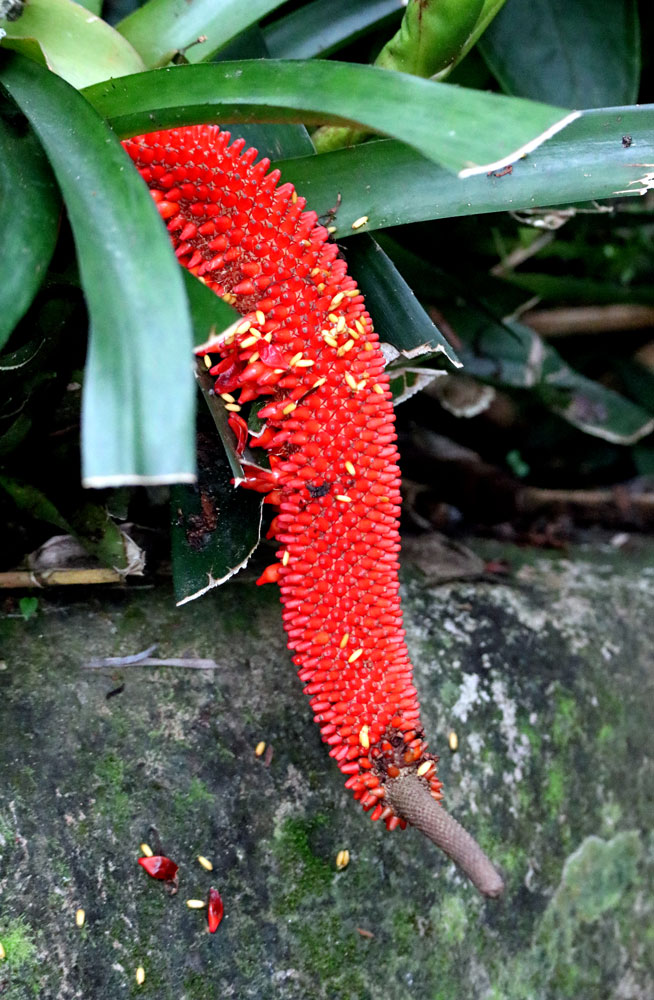
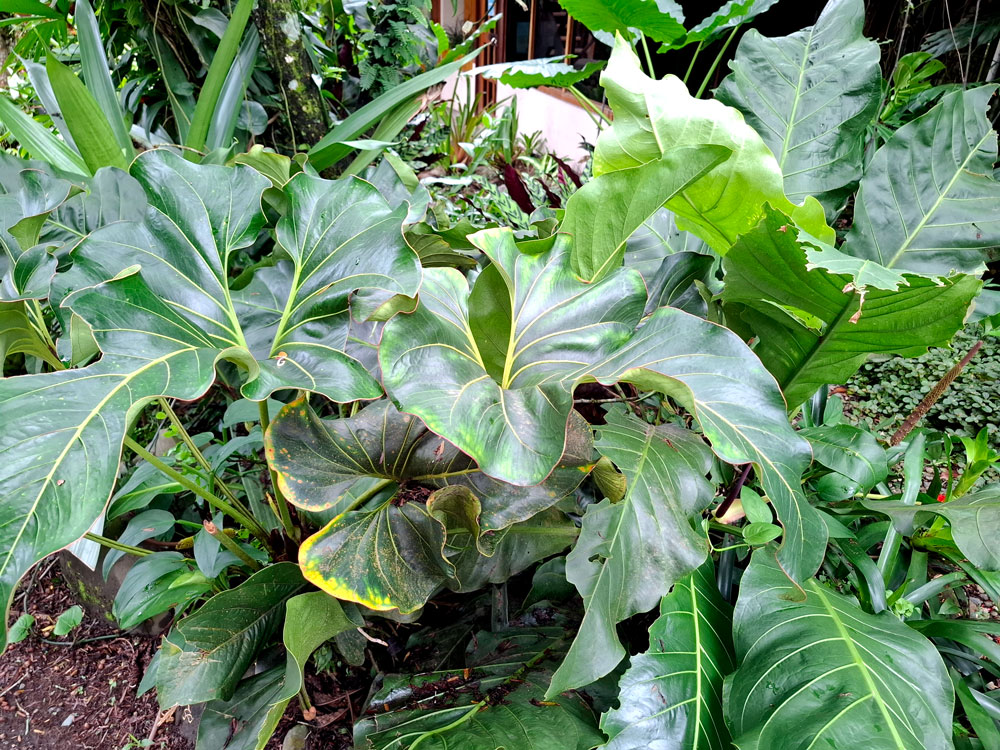
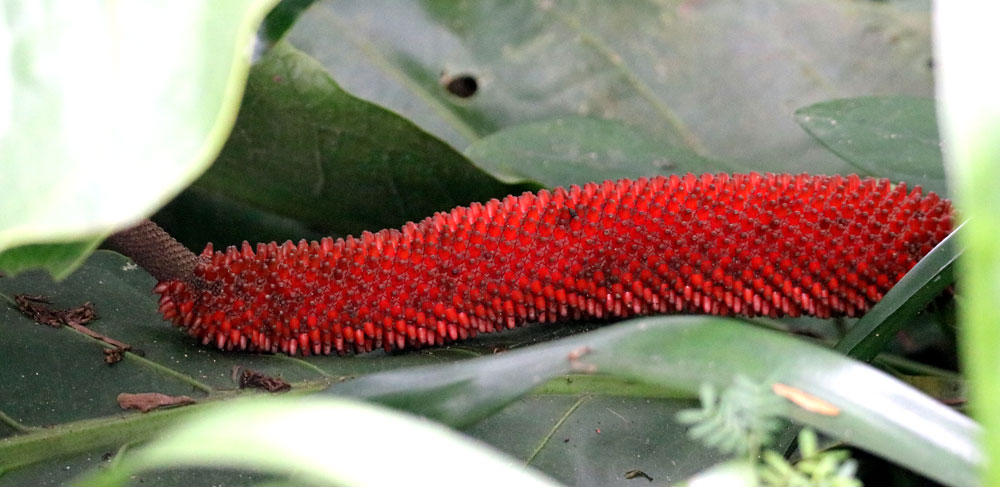
For those familiar with the Arenal Volcano area of Costa Rica, you know that name as the name of a Hot Springs Resort there, but did you know that it was named after a plant, Anthurium upalaense (Tabacón) (Research Gate article link)? It is much larger than the anthuriums in my garden and is found on the Caribbean side of Costa Rica with some also overlapping into nearby Nicaragua and Panama. The large leaves of the plant collect small dead leaves falling from other plants where they rot to feed the anthurium. That long red spadix is not a flower but contains many many tiny little flowers that are pollinated by insects and turn into many berries that are eaten by birds. Another amazing new discovery in nature for me! 🙂 And almost exclusive to Caribbean Costa Rica!
¡Pura Vida!
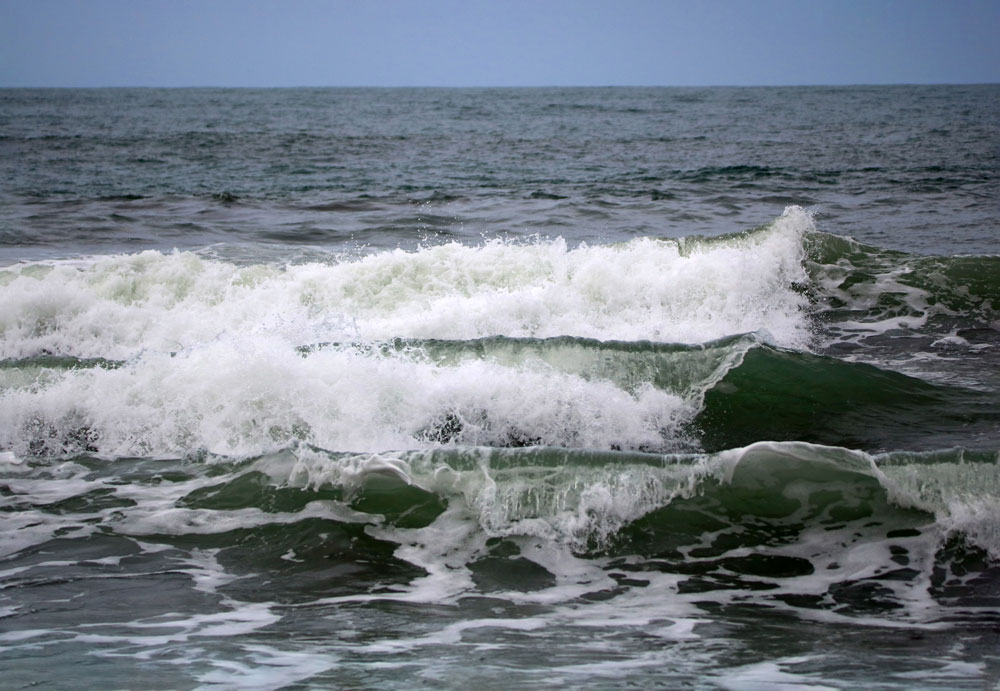
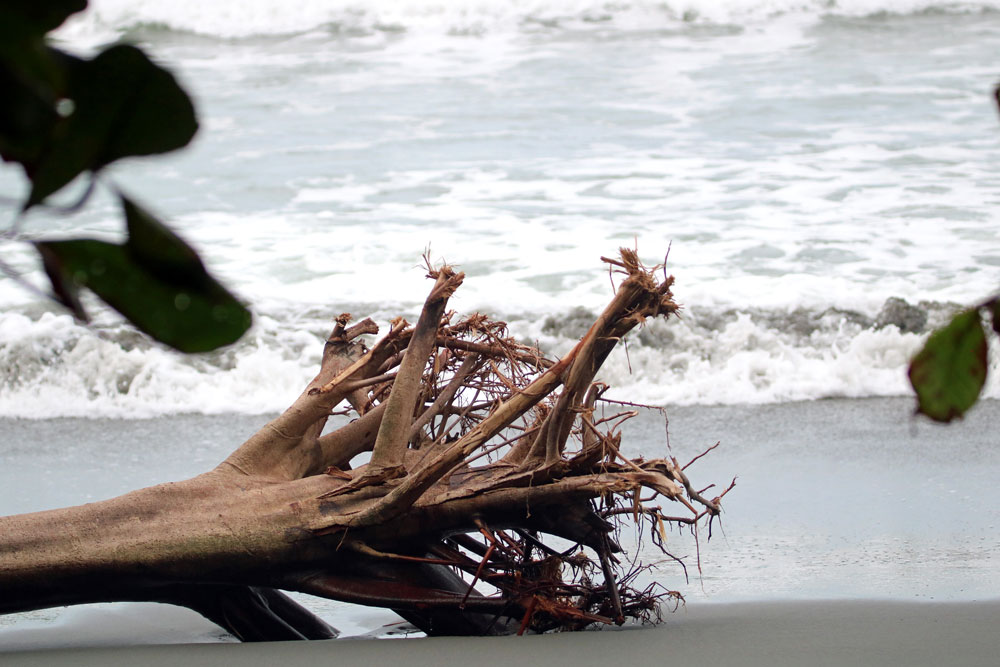
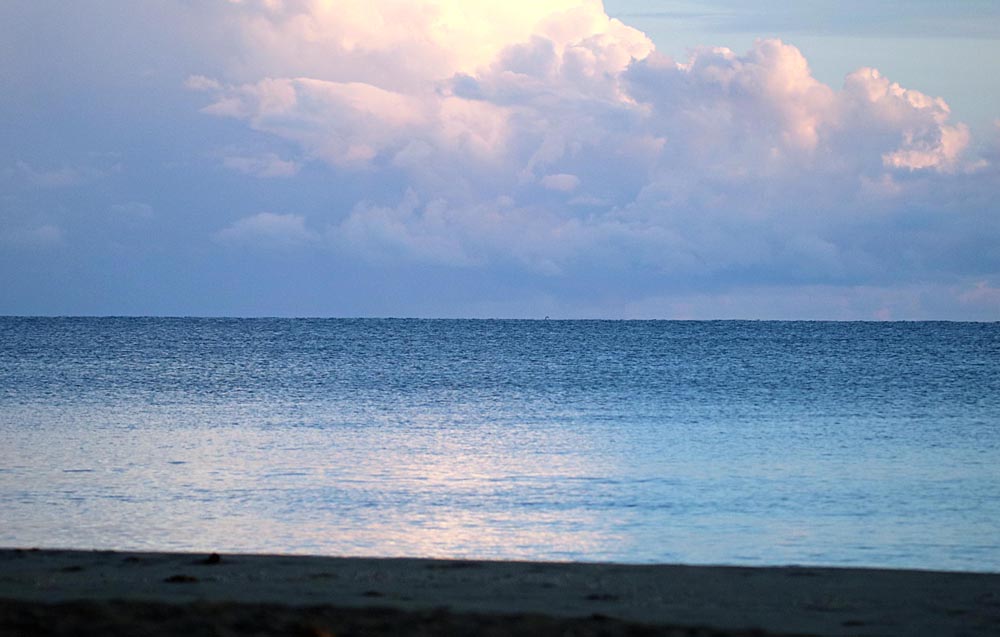
The combination of global warming and the “Super Nino” this year has made where I live on the Pacific Slope hotter and drier this year with not much of a rainy season. While the other sided of Costa Rica, the Caribbean (Atlantic) is wetter with more rain, but also hotter and thus more humid than usual. And the ocean seems rougher and high tide is higher. One photo shows a whole tree on the beach that probably blew down somewhere else and washed up here OR was washed away here by high tide and high winds and just hasn’t made it out to sea yet. I don’t know.
I didn’t get here until the afternoon with a good flight through the clouds and I’m settled in my room and made a walk down the beach road looking for nature. More tomorrow with hopes of a good sunrise and some butterflies!
¡Pura Vida!
See more of this side of Costa Rica in my gallery Caribbean Beaches. And tonight I go to sleep with the sound of the surf and a little heavier surf than in the past.
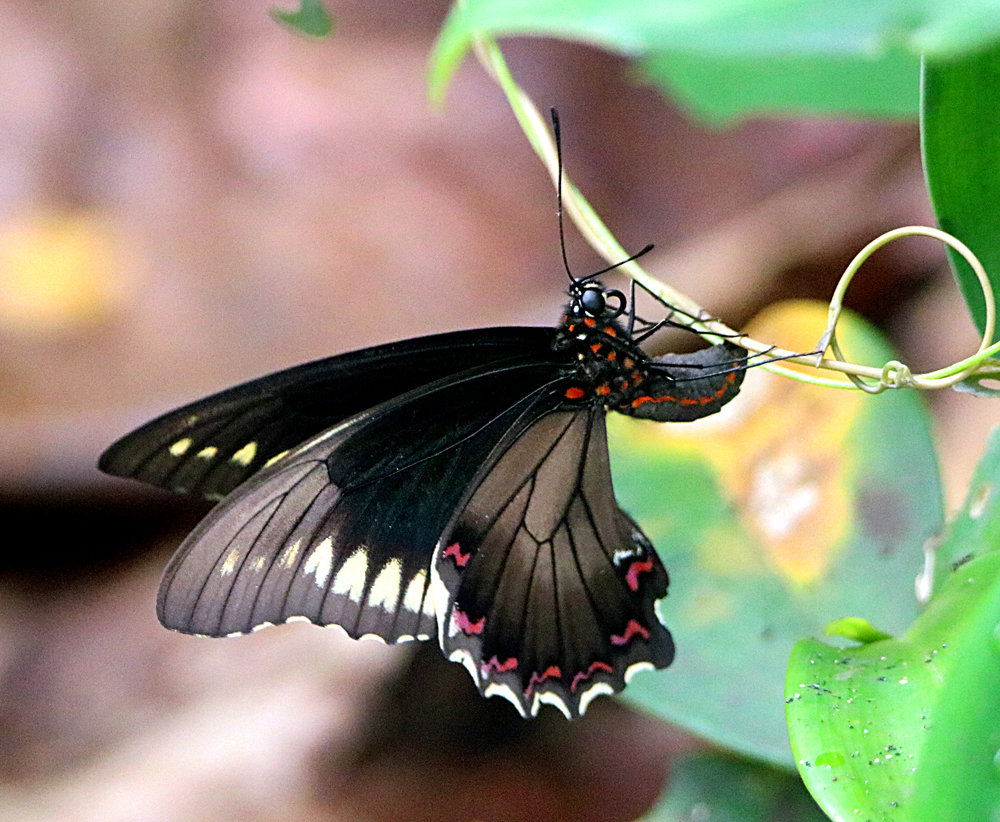
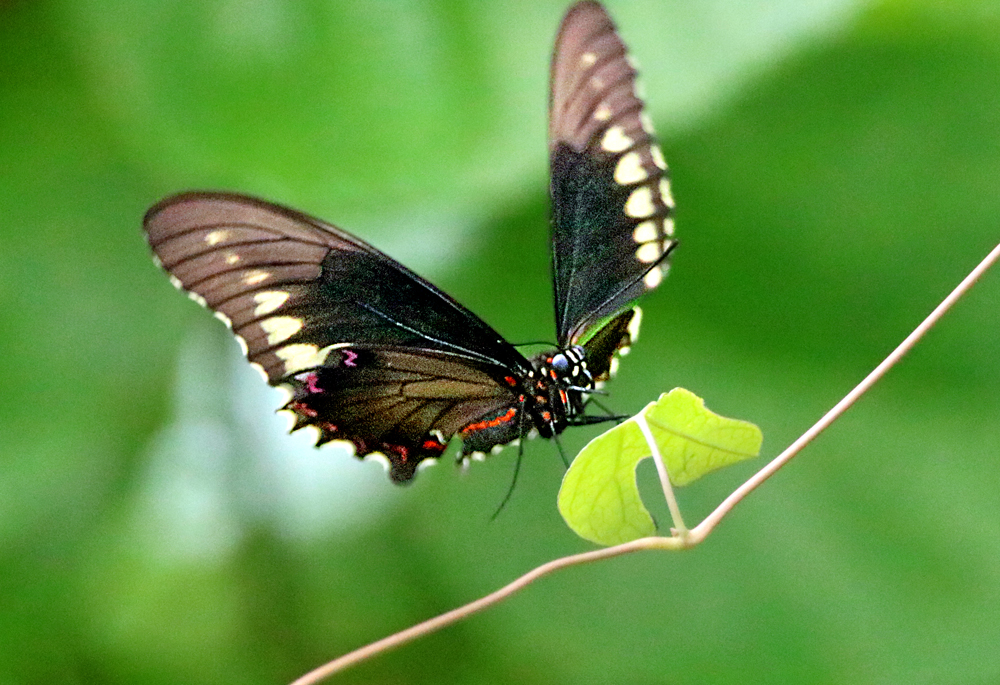
This swallowtail is the species of swallowtails that I see most often in my garden – and I still like it! 🙂 You can see the many that I’ve photographed in my Polydamas Swallowtail Gallery (linked). The scientific name is Battus polydamas and even though most of the other swallowtails are more colorful, he/she is striking! (Male & female are basically identical). Here’s a front view and a side view and you can see several top views in the above-linked gallery which is all black with a yellow dot row. This is my first one to photograph outside my garden. He is found from South Texas and Florida south to Argentina.
¡Pura Vida!
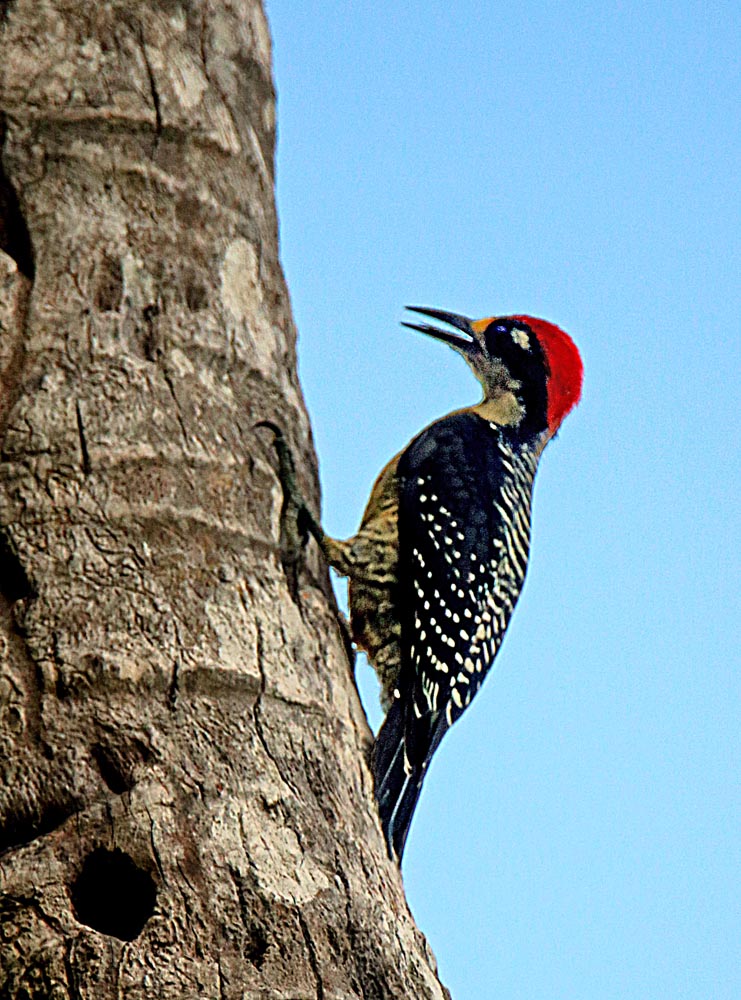
This Black-cheeked Woodpecker, Melanerpes pucherani (my gallery link) is possibly the woodpecker I’ve seen the most of in my 10 years in Costa Rica, out of 13 species found here, and in the above-linked gallery I have photos of this one from 9 different locations (all on the Caribbean Slope). And none from my garden, where the Hoffmann’s Woodpecker is the most common. That may be because they are more common on the Caribbean Slope and I live on the Pacific Slope. 🙂 But they are found on both slopes from Southern Mexico to Ecuador.
In my CR Birds big gallery you will find galleries for 9 of those 13 species (I’m missing 4!) and one Olivaceous Piculet, which is really a tiny woodpecker without the name! 🙂
If interested in more info, see the Black-cheeked Woodpecker eBird Page.
¡Pura Vida!
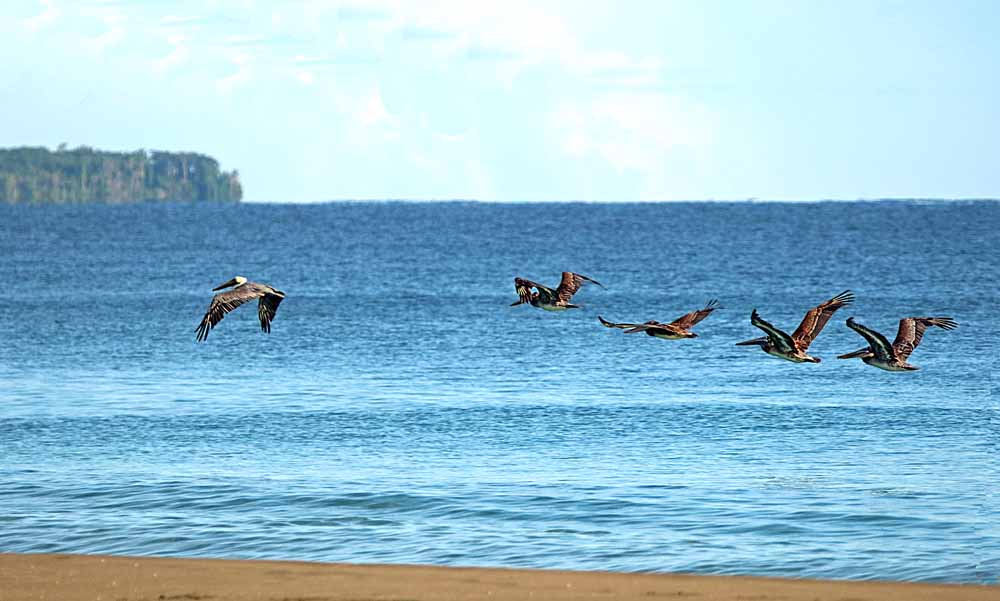
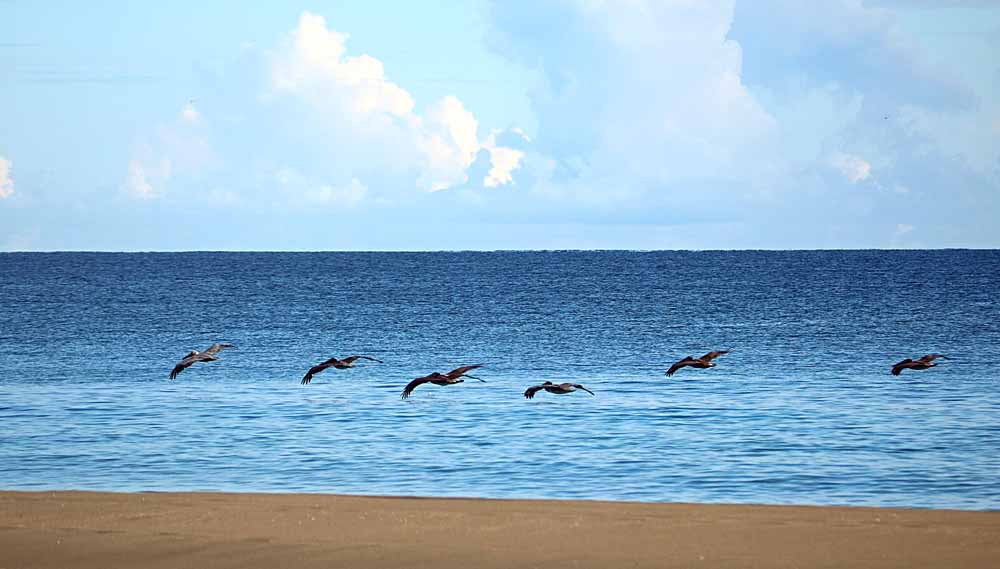
. . . for reasons unknown to me. Normally I see a lot of these Brown Pelicans, Pelecanus occidentalis (my gallery link) on both coasts and usually every day there, but these were the only ones I saw this time and I was a good distance from them, walking on the beach road, so not great photos or close-up like you can see in my gallery linked above. Here’s two shots and I cropped in on the second one just to make them seem bigger, but certainly not my best images. 🙂
¡Pura Vida!
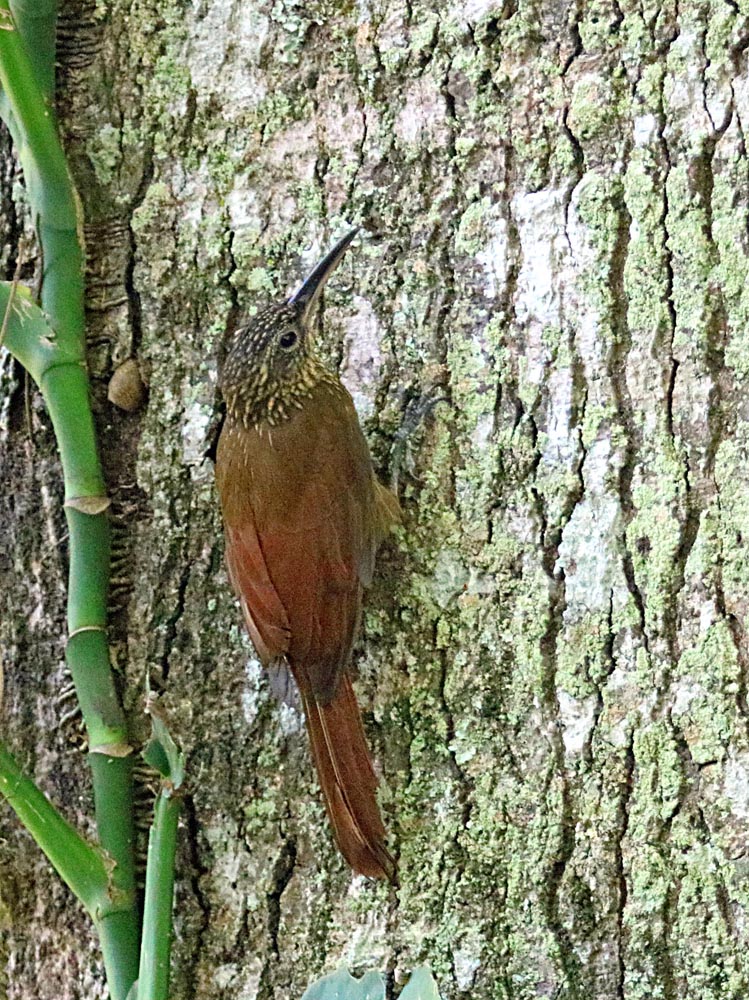
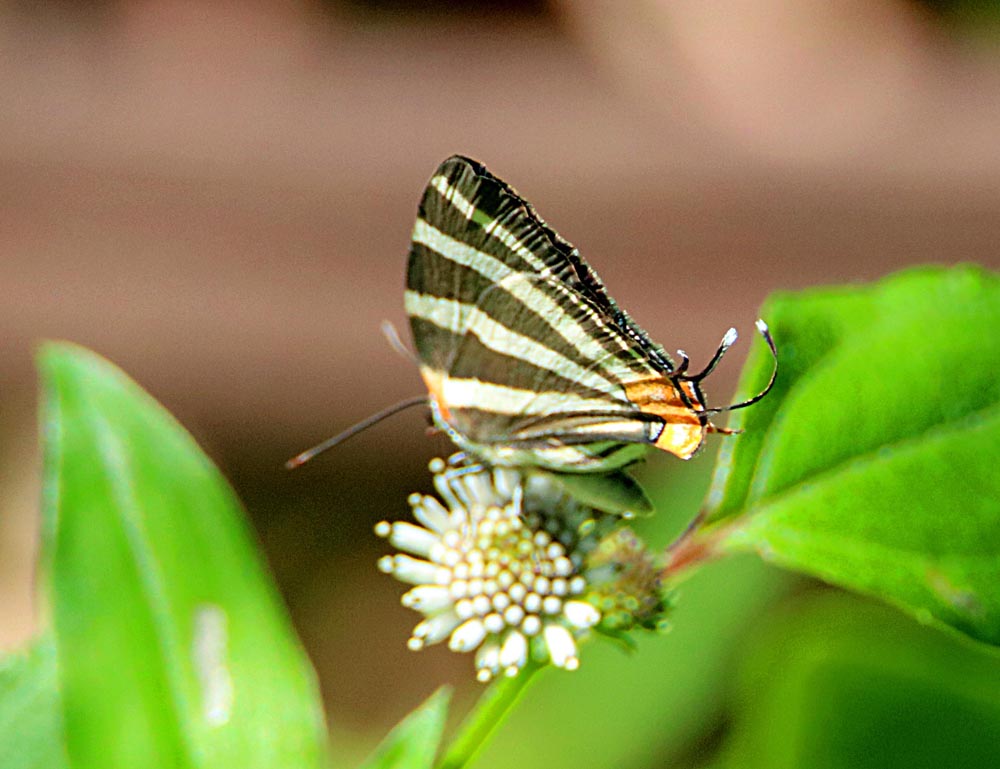
I still haven’t processed all my photos from today and will get a few more in the morning before I leave, but I’m pleased to get a different bird and butterfly from all the other days here . . .
And one of many shots of sunrise this morning that I haven’t all processed, but will eventually share more, including the throng of local people out at sunrise on Saturday morning! 🙂
Continue reading “New Bird & Butterfly on Final Day”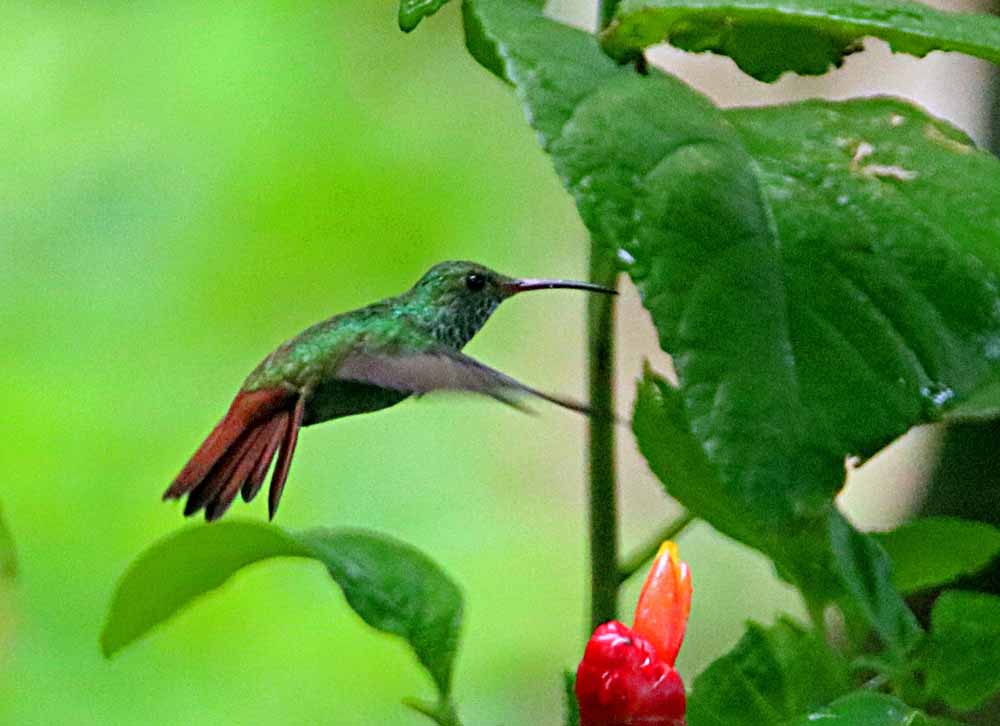
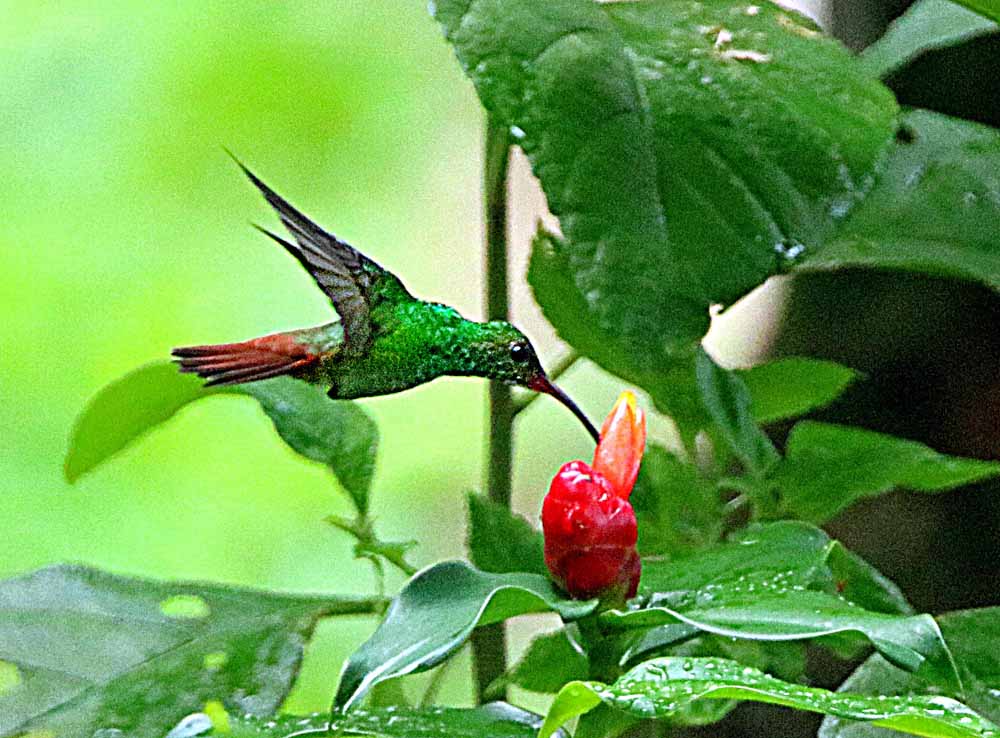
Because of some pains that make walking difficult, I’m limiting myself to short walks down the beach road (one lane, dirt) and of course the hotel gardens instead of longer hikes in the nearby national park and separate wildlife refuge. I’m up to 15 species of birds now, just right here! And I don’t know how many butterflies because I haven’t processed those photos from today, but know that I got some new ones again! One of the beach road joys is watching wild hummingbirds – they are all wild, including those in my garden at home! 🙂 And like at home, the Rufous-tailed seems to be the dominant hummingbird here too! 🙂 Here’s just two shots for now and more will be in the trip gallery later.
¡Pura Vida!